Two Programs, Two Very Different Sebring Weekends
Lamborghini’s 2025 Sebring weekend played out like two separate races running under the same Florida sun, and both told the same uncomfortable story: Squadra Corse‘s machinery still lacks the mechanical durability to match its pace.
In the GTP class, the SC63 hybrid prototype showed flashes of improved speed before a broken exhaust forced a safety-driven retirement with roughly a quarter of the race still to run, marking its second consecutive IMSA withdrawal. Down in the GT classes, three Huracán GT3 EVO2s absorbed punctures, brake failures, electrical gremlins, and a pit-lane injury to driver James Hinchcliffe, yet brought every car home. The finishing positions of 10th, 12th, and 14th do not look dramatic on paper, but the story behind them is a 12-hour catalog of mechanical trouble, improvisation, and raw persistence. Lamborghini says the team found encouraging driveability from the SC63 in race conditions, even as reliability cut the weekend short. Across both garages, the pattern was the same: speed arrived, then something broke.
SC63: Progress Cut Short by a Broken Exhaust
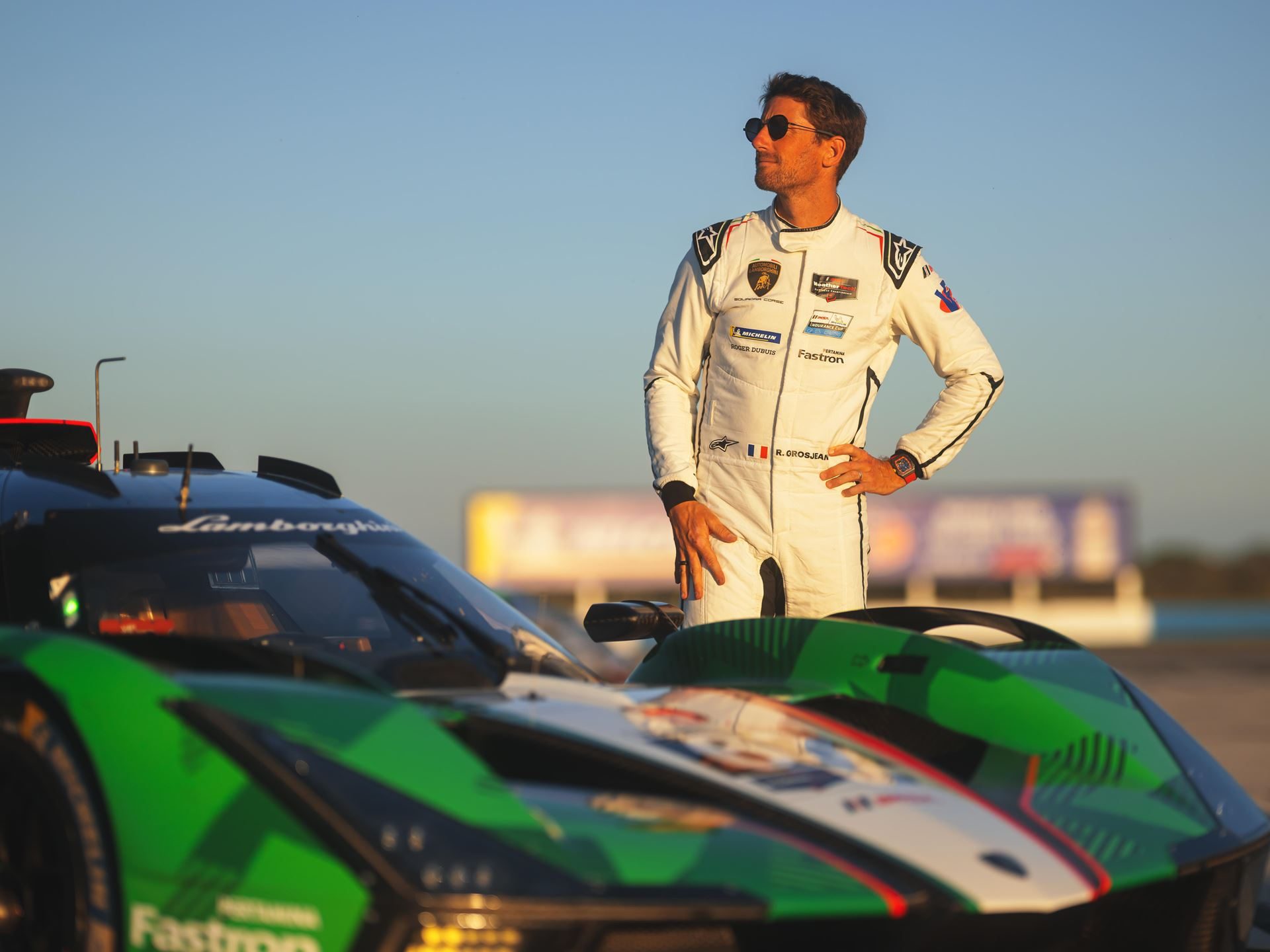
Romain Grosjean, Mirko Bortolotti, and Daniil Kvyat shared the #63 SC63, and the early signs were promising. After the team adjusted the car’s setup for improved rear-end stability and overall balance following FP1, Lamborghini says the drivers responded positively. Grosjean qualified 11th despite limited track time caused by a five-minute stop-and-hold penalty carried over from a prior infringement.
The race itself started well. Grosjean gained positions off the line and briefly ran as high as ninth. A well-timed full-course caution cycled the SC63 into the overall lead after the team had pitted just one lap earlier, but a pit-box miscommunication left Grosjean out of position at the restart, and the entire GTP field swept past. Kvyat settled into a double stint in 11th, and Bortolotti’s pace was competitive.
Then, with roughly three hours left, Lamborghini says a broken exhaust posed a risk of heat damage to other driveline components, and the team withdrew on safety grounds. It was the SC63’s second straight IMSA retirement, following an early exit at the 24 Hours of Daytona.
The pattern is difficult to ignore: two races, two retirements, neither caused by a crash. Lamborghini pointed to the car’s improved driveability in race trim as a genuine positive, which is worth noting. Pace without reliability, though, does not produce results in endurance racing, and the SC63 program now carries two consecutive component failures into its next outing.

Huracán GT3 EVO2s: A 12-Hour Obstacle Course
If the SC63’s weekend was defined by one catastrophic failure, the Huracán GT3 EVO2 story was death by a thousand cuts, and yet the cars kept running. Lamborghini says added weight on all three entries hurt braking stability, a constraint the teams dealt with from the first practice session onward.
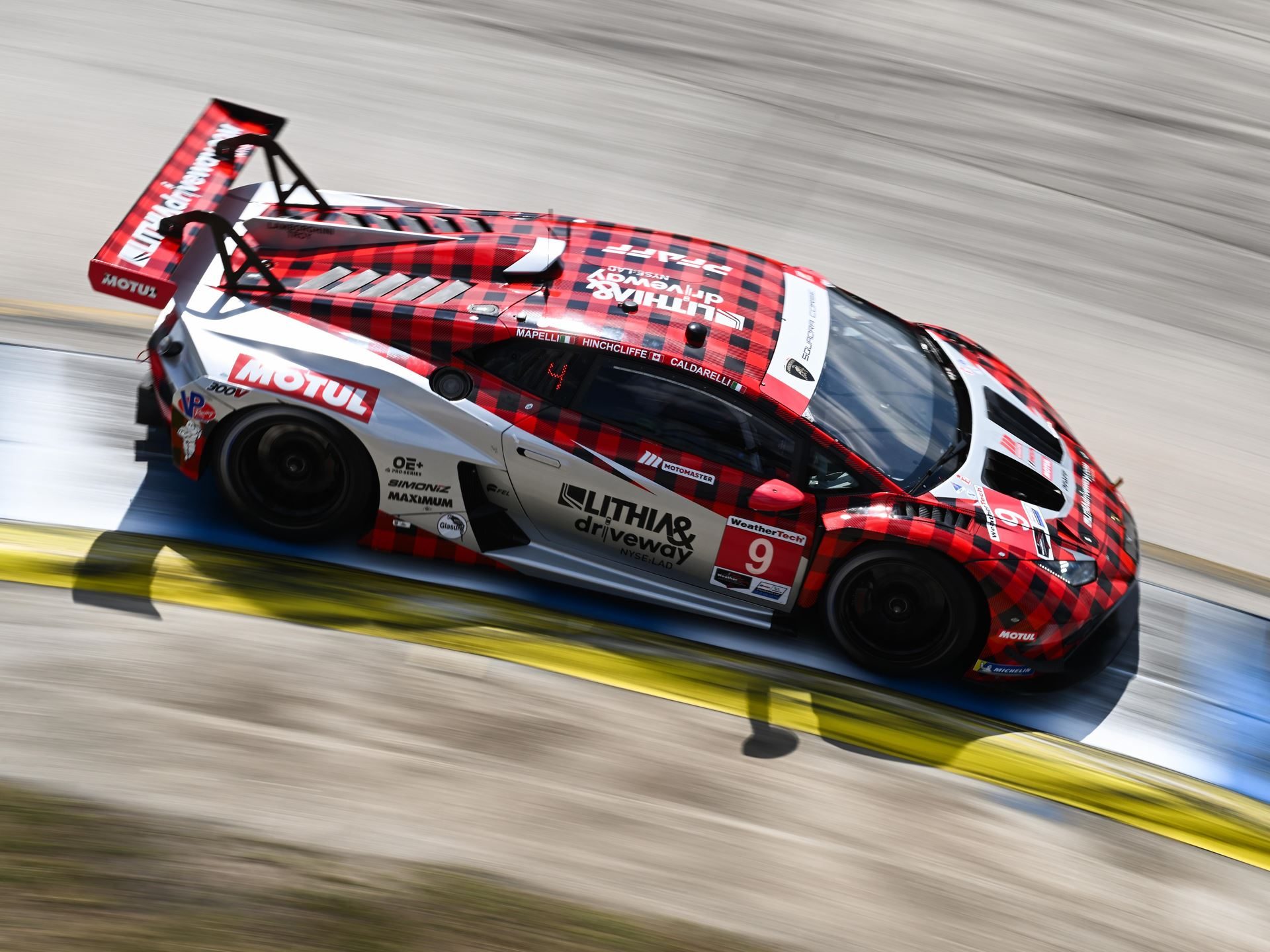
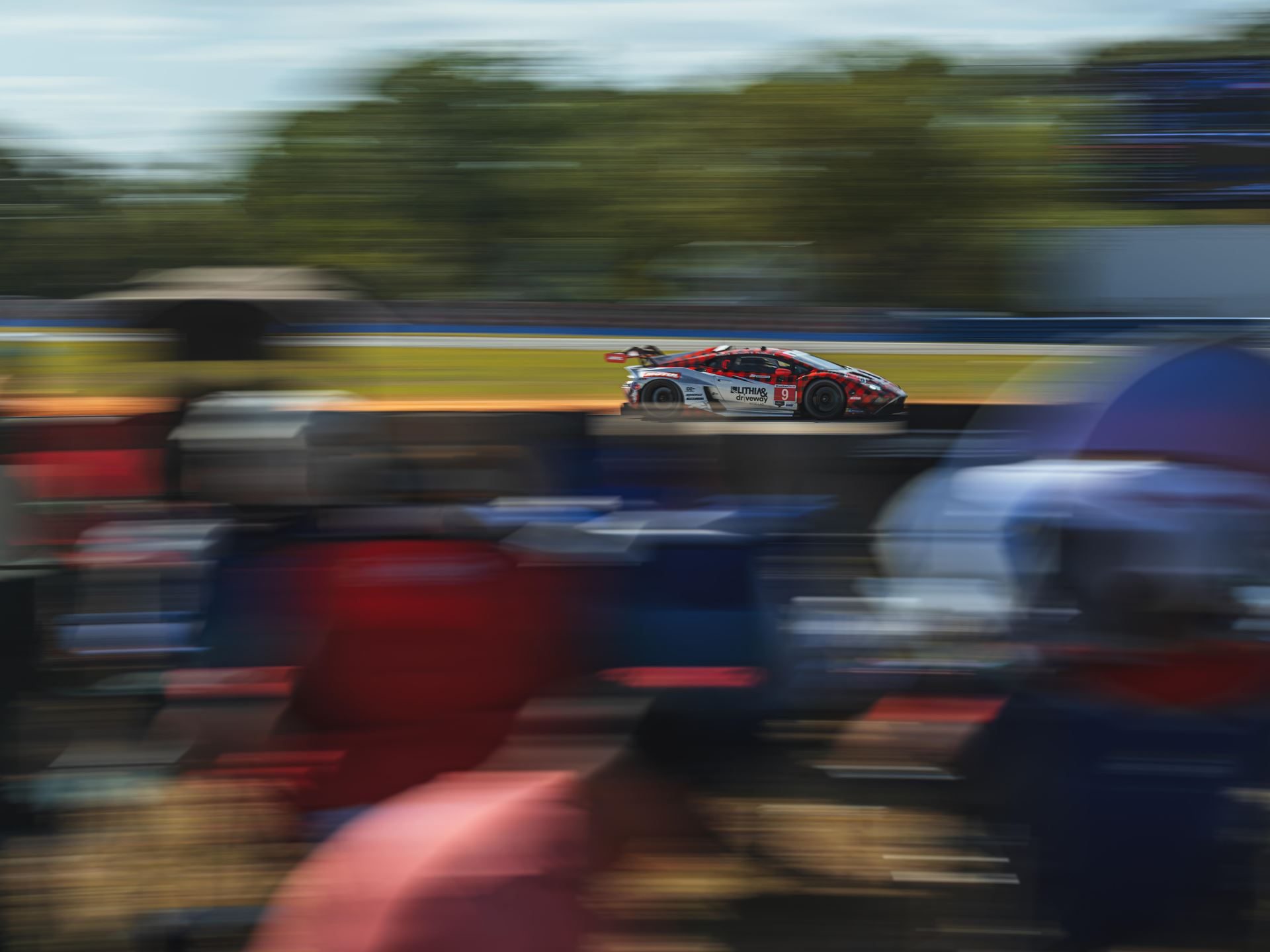
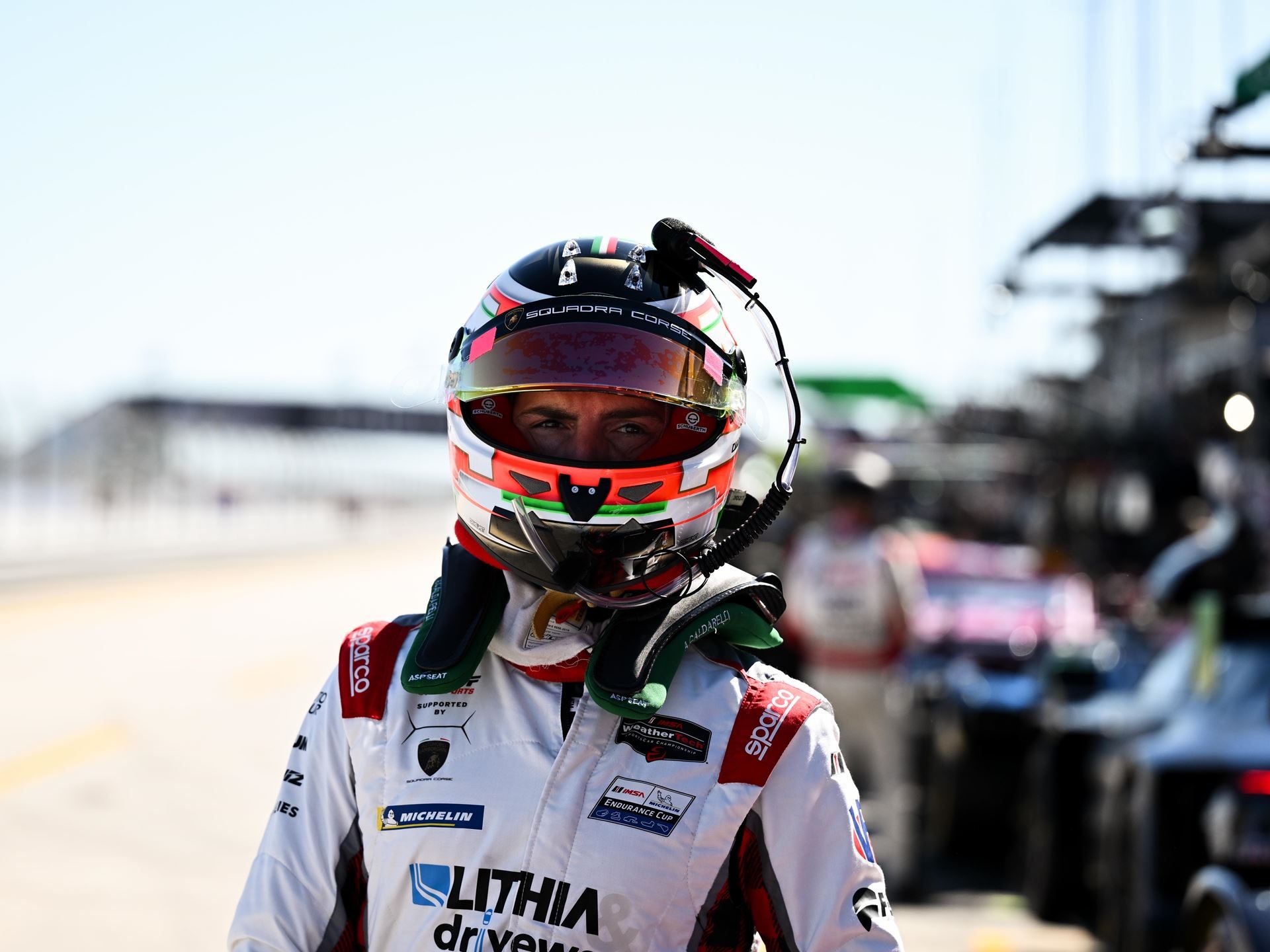
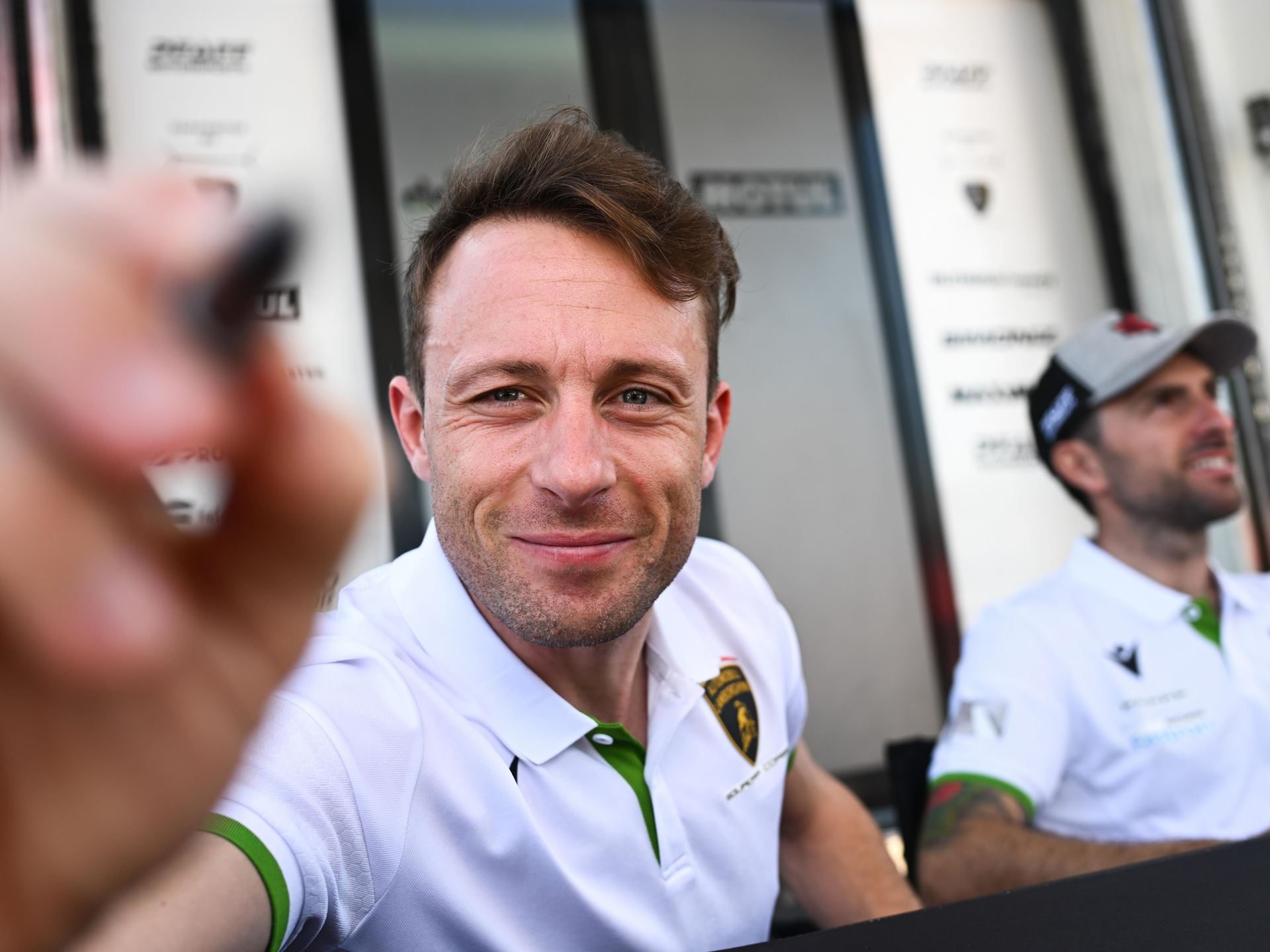
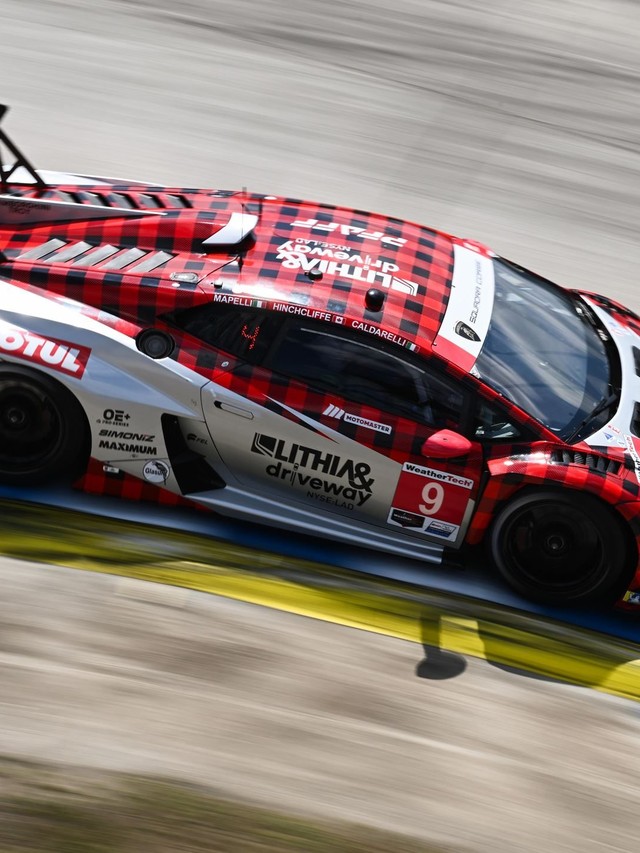
The #9 Pfaff Motorsports entry, driven by Andrea Caldarelli, Marco Mapelli, and James Hinchcliffe, climbed to fourth in the opening hour before an unscheduled pit stop to fix a torque-sensor issue. Later, Hinchcliffe injured his left foot in an incident in the pits. The car dropped three laps, clawed one back, and needed a late brake-pad change before finishing 10th.
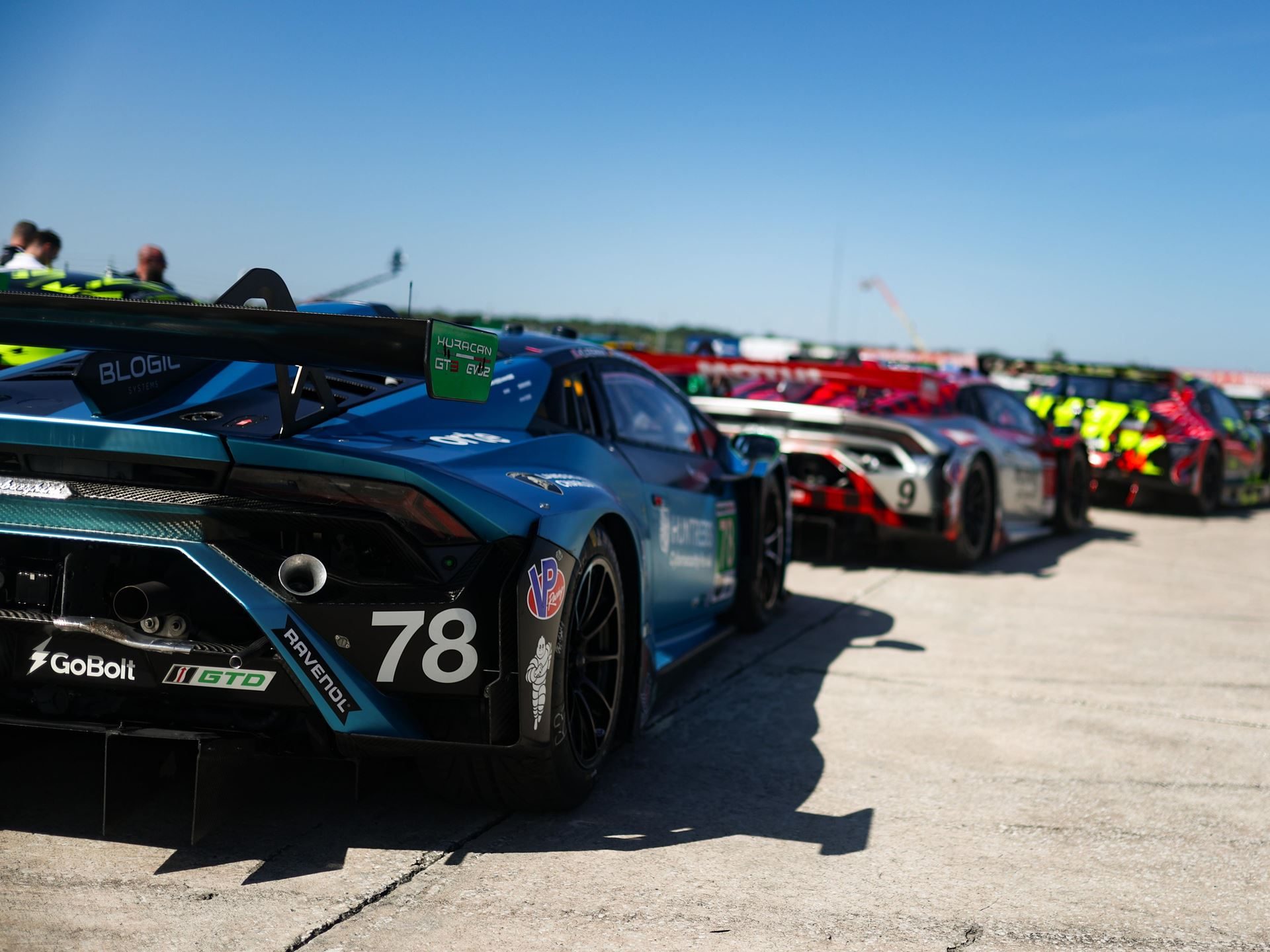
The #78 Forte Racing car (Mario Farnbacher, Misha Goikhberg, Parker Kligerman) arguably had the strongest raw pace of the three. Early in the race it ran inside the top five and briefly reached podium positions in Goikhberg’s hands. A puncture during Kligerman’s stint forced a slow return to the pits and dropped the car out of contention. Farnbacher recovered ground, but the #78 finished 12th.
The #45 WTR entry had the roughest path of all. Danny Formal crashed heavily in FP1, forcing the team to miss FP2 entirely and qualify 13th. Brake trouble hit Trent Hindman early in the race, costing three laps. Formal, Hindman, and Graham Doyle brought the car home 14th.
The durability thread running through all three cars mirrors the SC63’s struggle in miniature. Where the prototype’s exhaust failure ended its race outright, the Huracáns absorbed comparable mechanical grief and kept turning laps. That resilience is the clearest evidence that the platform, despite its age and the weight penalty, still belongs on an endurance grid.

What Sebring Tells Us About Lamborghini’s IMSA Season
Sebring’s bumpy concrete-and-asphalt surface punishes every car on the grid, but reliability trouble shaped Lamborghini’s weekend more than the track did. The SC63’s broken exhaust and the Huracán GT3 EVO2s’ assorted brake, electrical, and sensor problems added up to a race where no Lamborghini entry ran a clean 12 hours.
For anyone following Squadra Corse closely, the practical takeaway is straightforward: the SC63 program needs mechanical durability more than outright speed right now. Lamborghini acknowledged as much by highlighting driveability gains rather than lap-time targets. Two consecutive IMSA retirements, both from component failures rather than driver error or contact, put the spotlight squarely on engineering development.
The Huracán GT3 EVO2 side of the garage showed something different but related. The cars absorbed problems that would have sidelined less durable machinery, and Caldarelli’s early fourth-place run and the #78’s stint inside the top five proved the platform still carries genuine pace. The 5.2-liter naturally aspirated V10 with its 10 electronically actuated throttle bodies and titanium valves remains a proven endurance weapon, even when Balance of Performance weight and mechanical gremlins conspire against it.
Lamborghini left Sebring without a headline result, but with data from both programs and a clear mandate: find the durability to match the speed. Whether that translates into cleaner runs at the next endurance round is the question that matters most for Squadra Corse’s season.

Gallery