Why This Collection Matters Now
For the first time, Swiss collector Albert Spiess has assembled and revealed every single Lamborghini few-off model produced since 2007. This isn’t just another wealthy enthusiast showing off garage queens. Spiess owns examples of all six few-off series: Reventón, Sesto Elemento, Veneno, Centenario, Sián, and Countach LPI 800-4. Each represents a specific technological breakthrough that later filtered into production Lamborghinis.
What separates few-offs from regular limited editions? These aren’t simply low-volume production cars with special paint. Each few-off serves as a rolling laboratory for Lamborghini’s most radical engineering experiments. The Sesto Elemento pioneered structural carbon fiber that made the car lighter than a Mazda MX-5 despite packing 562 horsepower. The Sián introduced supercapacitor hybrid technology that’s now headed for wider adoption.
Spiess’s collection effectively maps Lamborghini’s engineering evolution over 15 years. Unlike typical collectors who chase rarity for investment purposes, he specifically acquired each model to understand its technological contribution. “Every one of them has arrived for a very specific reason,” Spiess explains, revealing an emotional connection that goes beyond spreadsheet valuations.

The Complete Few-Off Timeline
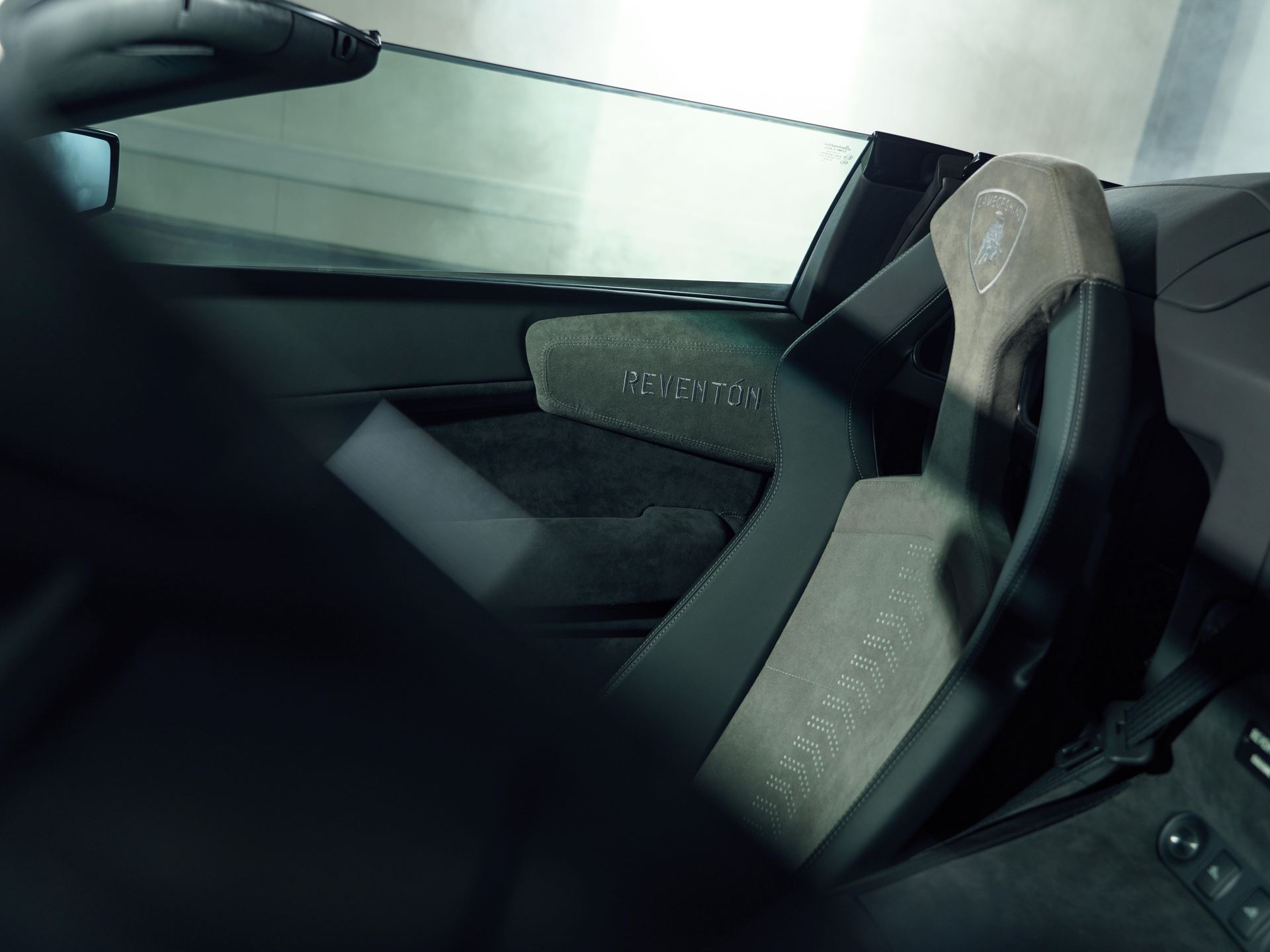
The modern few-off era began with the Reventón in 2007, which introduced fighter jet-inspired design language that would define Lamborghini aesthetics through the Aventador generation. Production was limited to 20 coupes and 15 roadsters. Spiess specifically chose the Roadster “because of its shape, which served as the base for production Lamborghini V12s.”
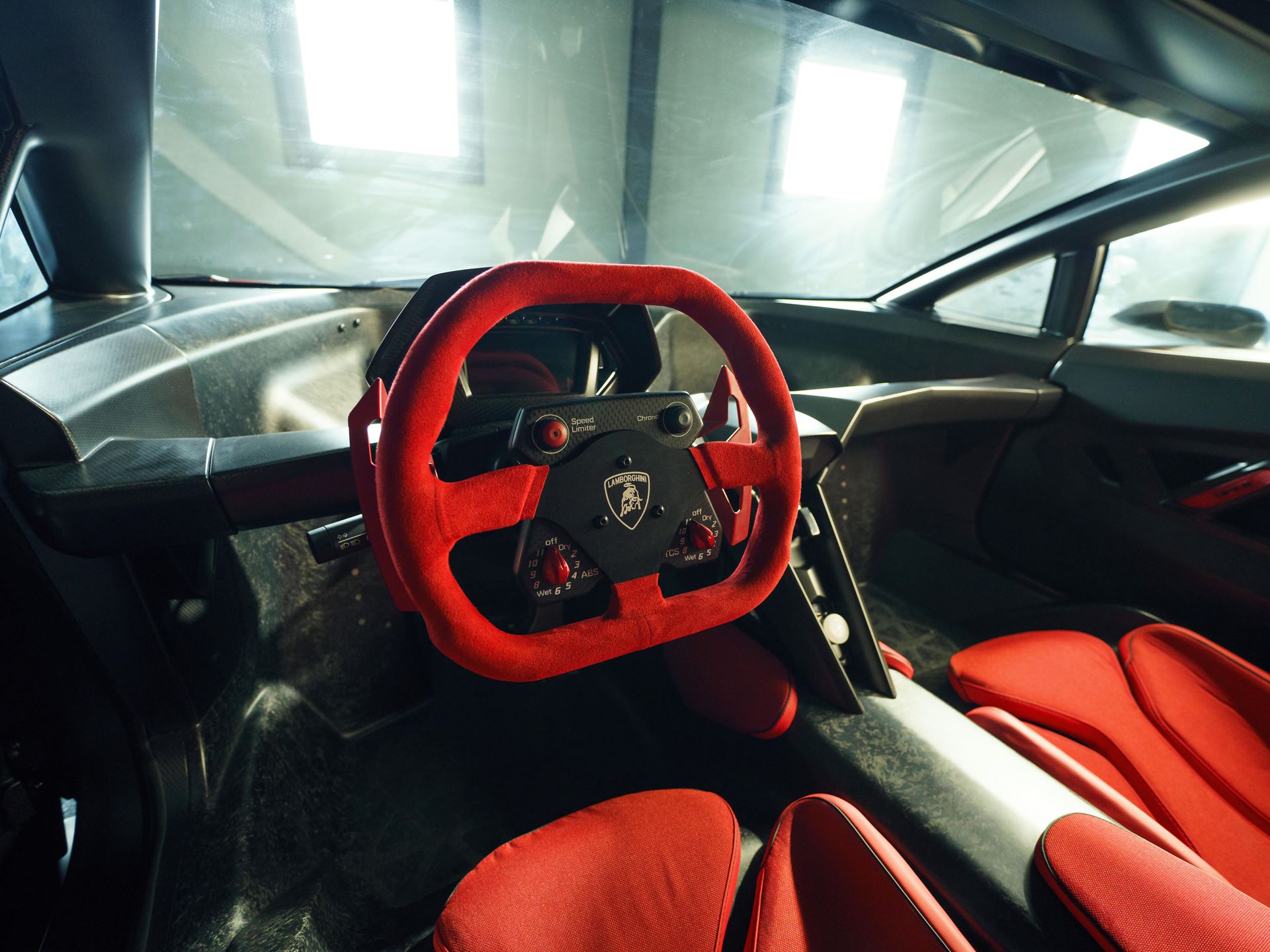
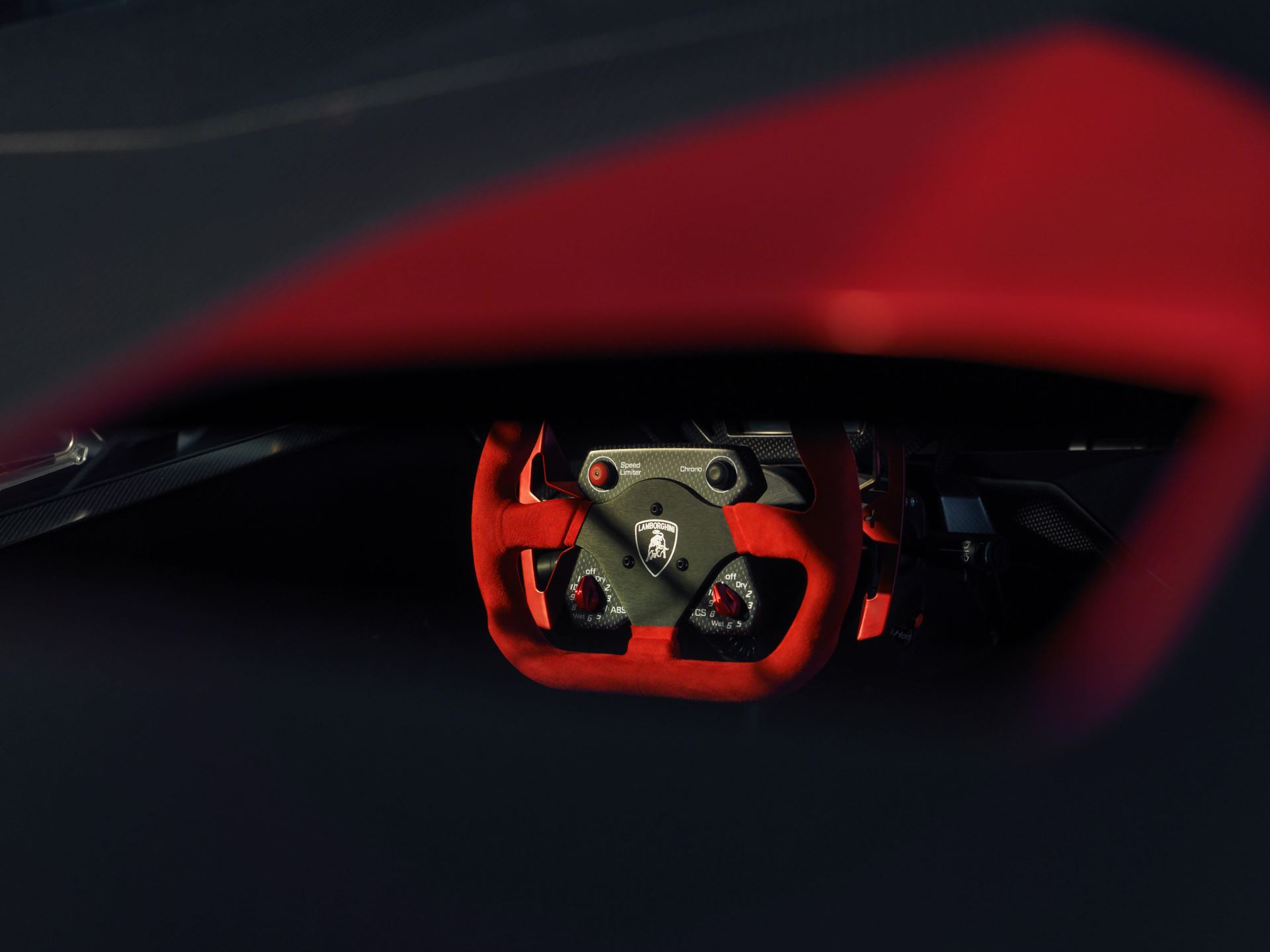
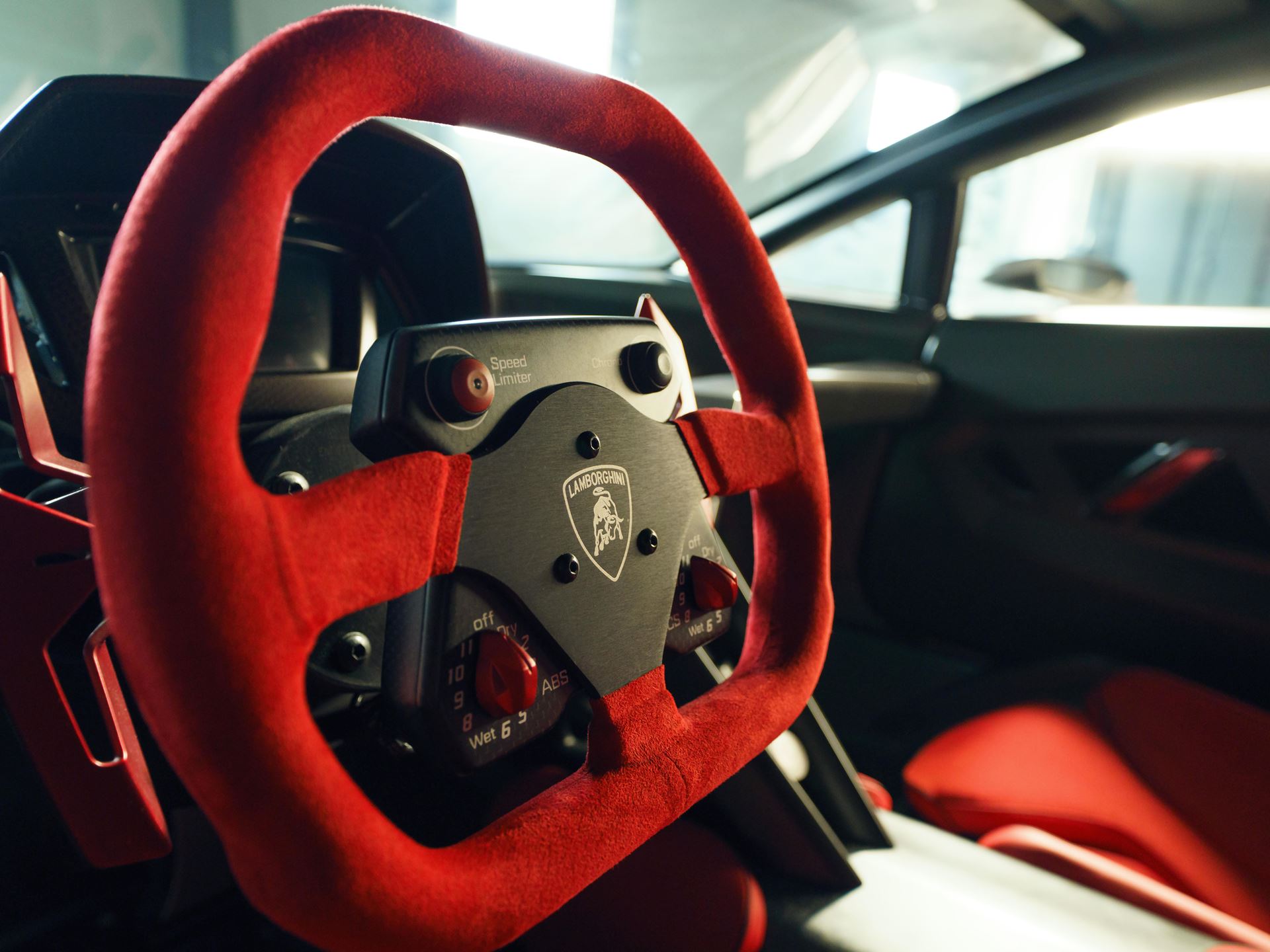
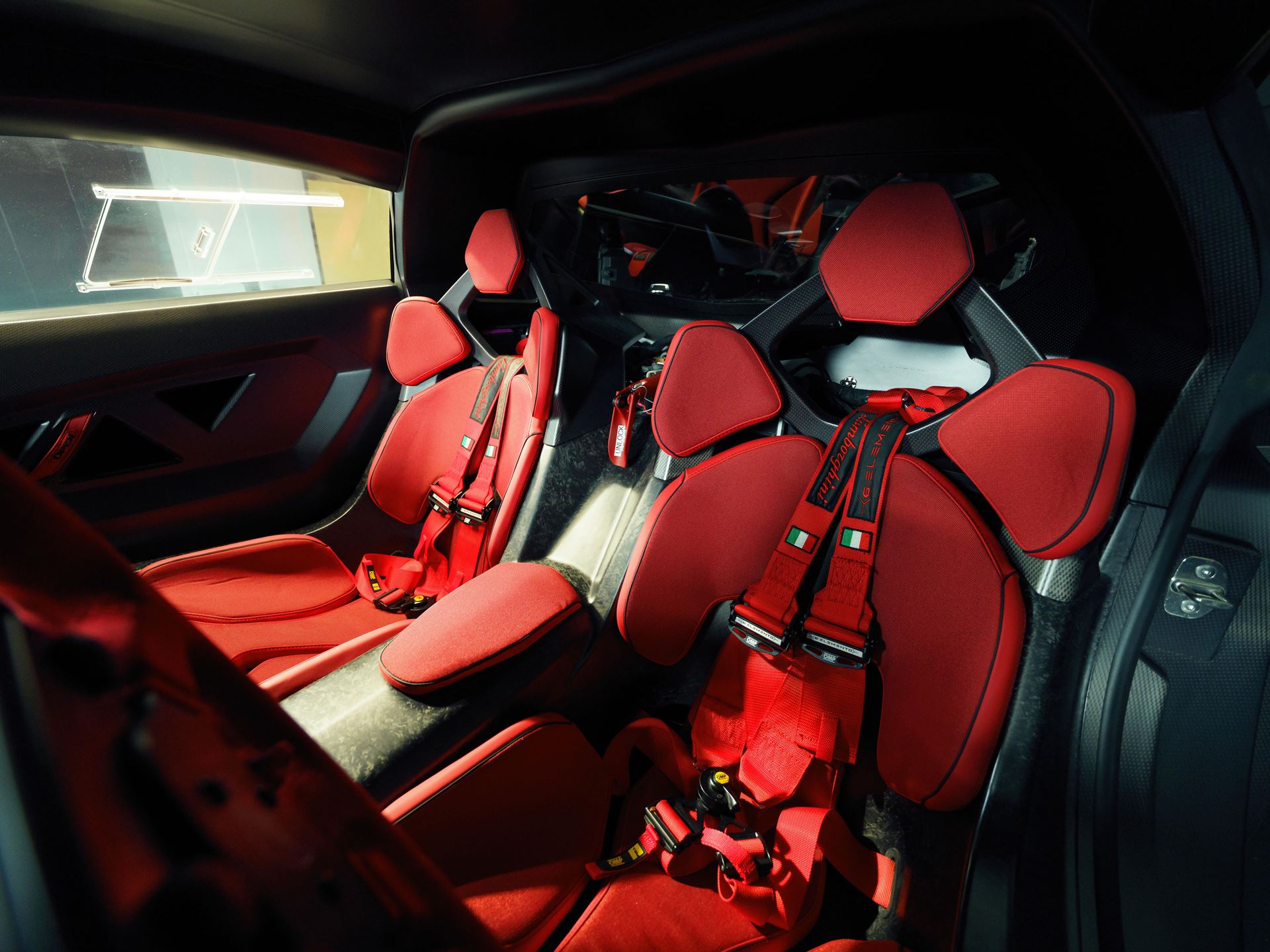
Three years later came the Sesto Elemento (2010), weighing just 2,202 pounds thanks to extensive structural carbon fiber. Sources disagree on production numbers, citing between 10 and 20 units built. This remains Spiess’s favorite, chosen for “its extraordinary lightness and technical content including structural carbon fiber.” The technology pioneered here would eventually appear in the Aventador’s carbon monocoque.
The Veneno arrived in 2013 as Lamborghini’s most extreme aerodynamic exercise. Only a handful of coupes were built, plus nine roadsters. Spiess owns the last Veneno Roadster built (9/9), which reportedly commanded prices around $4.5 million when new. He calls it “a spaceship with an extraordinary design.”
| Model | Year | Key Technology | Production |
|---|---|---|---|
| Reventón | 2007 | Fighter jet design language | 20 coupes, 15 roadsters |
| Sesto Elemento | 2010 | Structural carbon fiber (2,202 lbs) | 10-20 units |
| Veneno | 2013 | Extreme aerodynamics | ~4 coupes, 9 roadsters |
| Centenario | 2017 | Rear-wheel steering | 20 coupes, 20 roadsters |
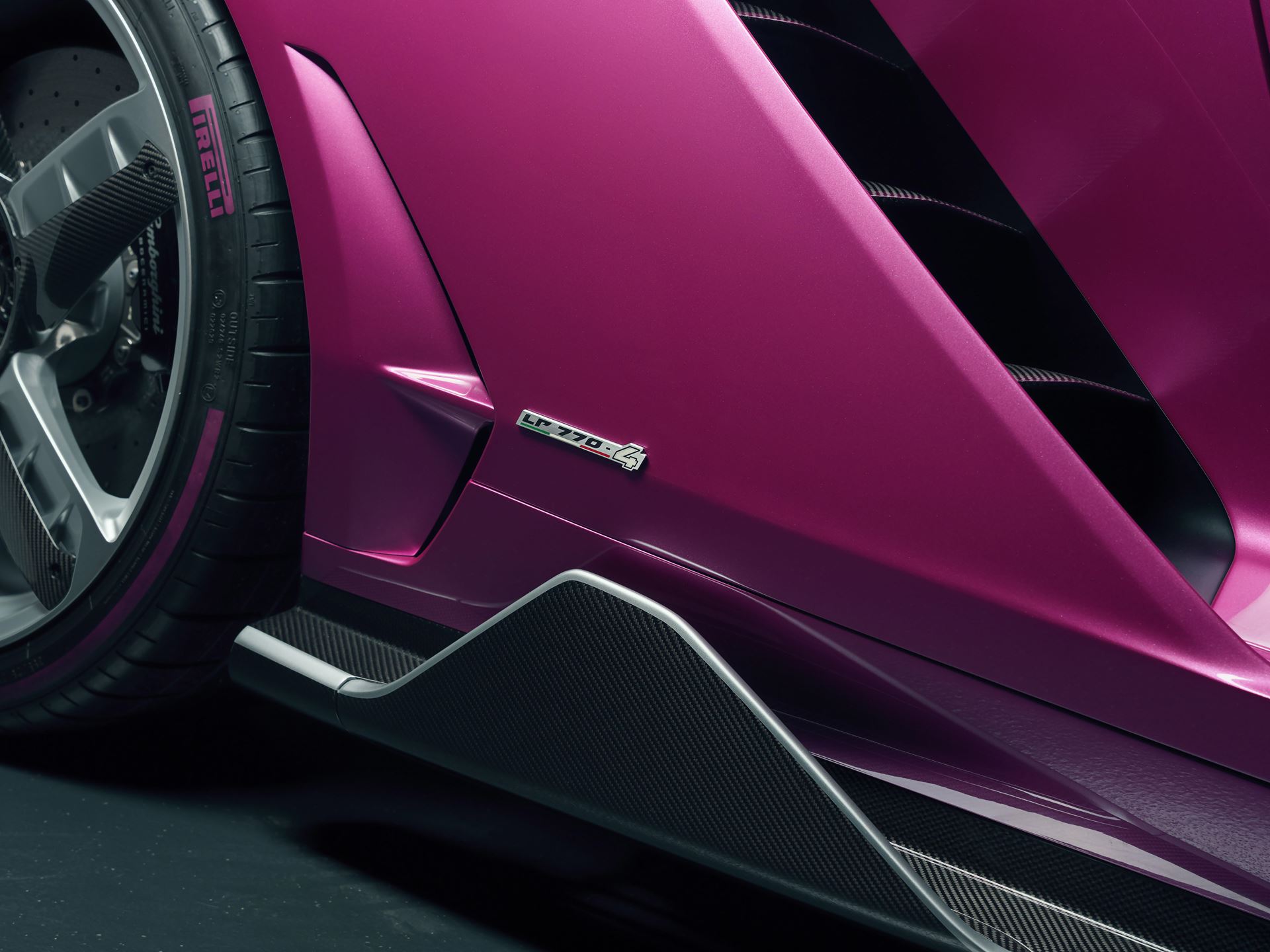
| Sián | 2019 | Supercapacitor hybrid | Limited (exact numbers unconfirmed) |
| Countach LPI 800-4 | 2021 | Hybrid V12 architecture | 112 units |
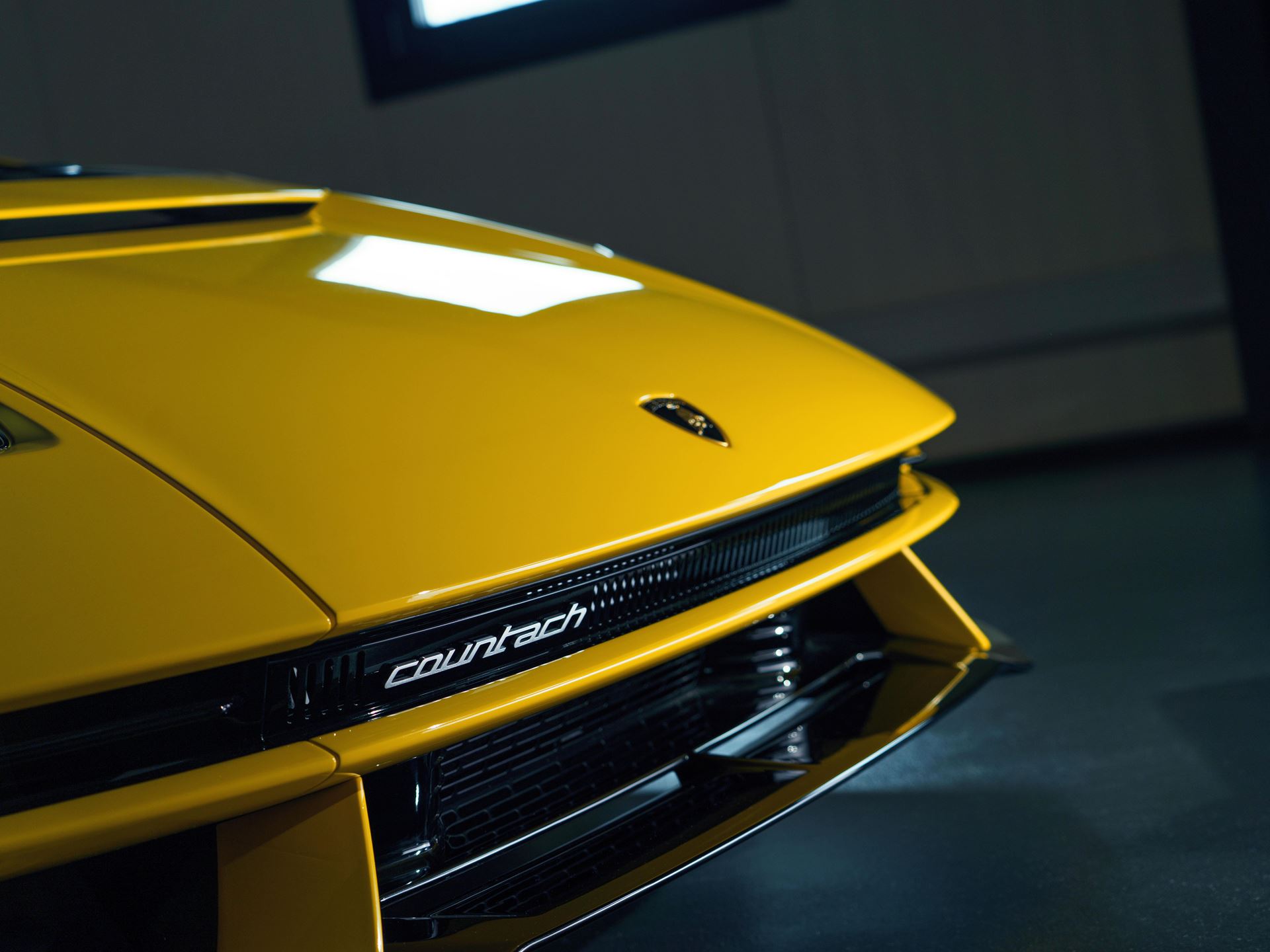
The Centenario (2017) commemorated Ferruccio Lamborghini’s 100th birthday with 20 coupes and 20 roadsters, introducing rear-wheel steering that would become standard on the Aventador S. The Sián (2019) debuted Lamborghini’s supercapacitor hybrid system, offering instant torque fill without the weight penalty of traditional batteries. Finally, the Countach LPI 800-4 (2021) merged nostalgia with the Sián’s hybrid V12, celebrating the 50th anniversary of the original Countach prototype.

The Emotion Behind Each Purchase
Spiess’s path to assembling this collection began with a 1979 Countach LP400 S, his first Lamborghini. That purchase sparked what he describes as a life-changing decision to “dedicate less time to work and more to the idea of creating a Lamborghini collection.” He added a Miura SV and Silhouette before discovering the few-off concept perfectly matched his collecting philosophy.
The deciding factor for each few-off purchase remains surprisingly simple: emotion. “Because every time I become as excited as I did the very first time, when I bought my first Countach,” Spiess reveals. This isn’t the typical collector motivation of investment potential or bragging rights.
Each model selection reflects specific enthusiasm beyond rarity. The Centenario arrived “because of the excitement I felt in owning such an extraordinarily rare and unique car.” The Sián Roadster attracted him with “its hybrid propulsion system, the first on a Lamborghini.” Even the retrospective Countach LPI 800-4 connects to his collecting journey, celebrating the same 1971 prototype he had rebuilt with Polo Storico.
This emotional approach differs markedly from collectors who view cars as alternative investments. While few-off values certainly appreciate (the Veneno Roadster alone reportedly cost $4.5 million), Spiess focuses on each car’s technological story and personal significance. It’s the difference between owning art you love versus art you think will appreciate.

The Overlooked Polo Storico Project
Beyond the few-offs, Spiess quietly completed one of Lamborghini’s most significant restoration projects. Working with Polo Storico, Lamborghini’s heritage division, he commissioned a 320-hour rebuild of the 1971 Countach prototype. This detail, mentioned briefly in passing, represents a major undertaking that competitors’ coverage completely missed.
Polo Storico joins an exclusive club of manufacturer restoration programs that have become essential for serious collectors. Aston Martin Works, Ferrari Classiche, and Porsche Classic offer similar services, validating authenticity while ensuring factory-correct restoration. Even BMW Classic now provides comprehensive restoration for historic models. These programs matter because they maintain provenance and value in an era where originality determines seven-figure valuations.
For the 1971 Countach prototype, this meant returning the car to exact LP500 specifications, a process requiring archeological-level research and craftsmanship. The 320-hour timeline suggests extensive fabrication work, likely recreating components that no longer existed. Spiess’s investment in this restoration demonstrates commitment beyond simply acquiring rare models – he’s preserving Lamborghini history at the source.
The restored prototype now bookends his collection with the modern Countach LPI 800-4, creating a 50-year arc from concept to commemoration. Few collectors combine this level of historical preservation with cutting-edge acquisition.
What These Models Preview for Future Lamborghinis
Each few-off in Spiess’s collection introduced technology that later reached production cars. The Reventón‘s angular design language defined every Lamborghini through the Aventador’s lifecycle. The Sesto Elemento‘s carbon fiber construction methods enabled the Aventador’s revolutionary carbon monocoque. The Centenario‘s rear-wheel steering became standard on performance variants.
The Sián‘s supercapacitor hybrid system represents Lamborghini’s most significant preview yet. Unlike Ferrari’s plug-in hybrid approach in the SF90 or McLaren’s complex P1 system, Lamborghini’s supercapacitor provides instant power without battery weight or charging infrastructure. This technology will likely define Lamborghini’s hybridization strategy as the brand transitions away from pure combustion engines.
The Countach LPI 800-4 merges this hybrid system with nostalgic design, suggesting future Lamborghinis might blend heritage styling with advanced powertrains. This matters for buyers because it signals Lamborghini won’t abandon emotional design in pursuit of efficiency.
For collectors tracking the market, few-offs now represent technology showcases rather than mere limited editions. The next few-off (possibly the rumored Autentica or a Huracán-based model) will likely preview Lamborghini’s post-Aventador architecture. Spiess’s systematic collection of each technology demonstrator positions him to understand – and potentially acquire – whatever comes next.
His collection ultimately serves as a private museum of Lamborghini’s engineering evolution, assembled not for display but for understanding. In an era where collectors often buy for Instagram or investment, Spiess represents something rarer: a true enthusiast who happens to have the means to indulge his passion completely.
Gallery