More Downforce Than Weight, and 1,500 Horsepower to Go With It
Here is a number worth sitting with: 3,300 pounds of downforce from a car that targets a curb weight of 3,140 pounds. At maximum aerodynamic load, the Zyrus Strada R³ could, in theory, drive upside down on a ceiling. It won’t, obviously. But the fact that a Norwegian tuning house is making that claim about a street-legal Lamborghini Huracán derivative tells you something about where the aftermarket is headed while Sant’Agata pivots to hybridization.
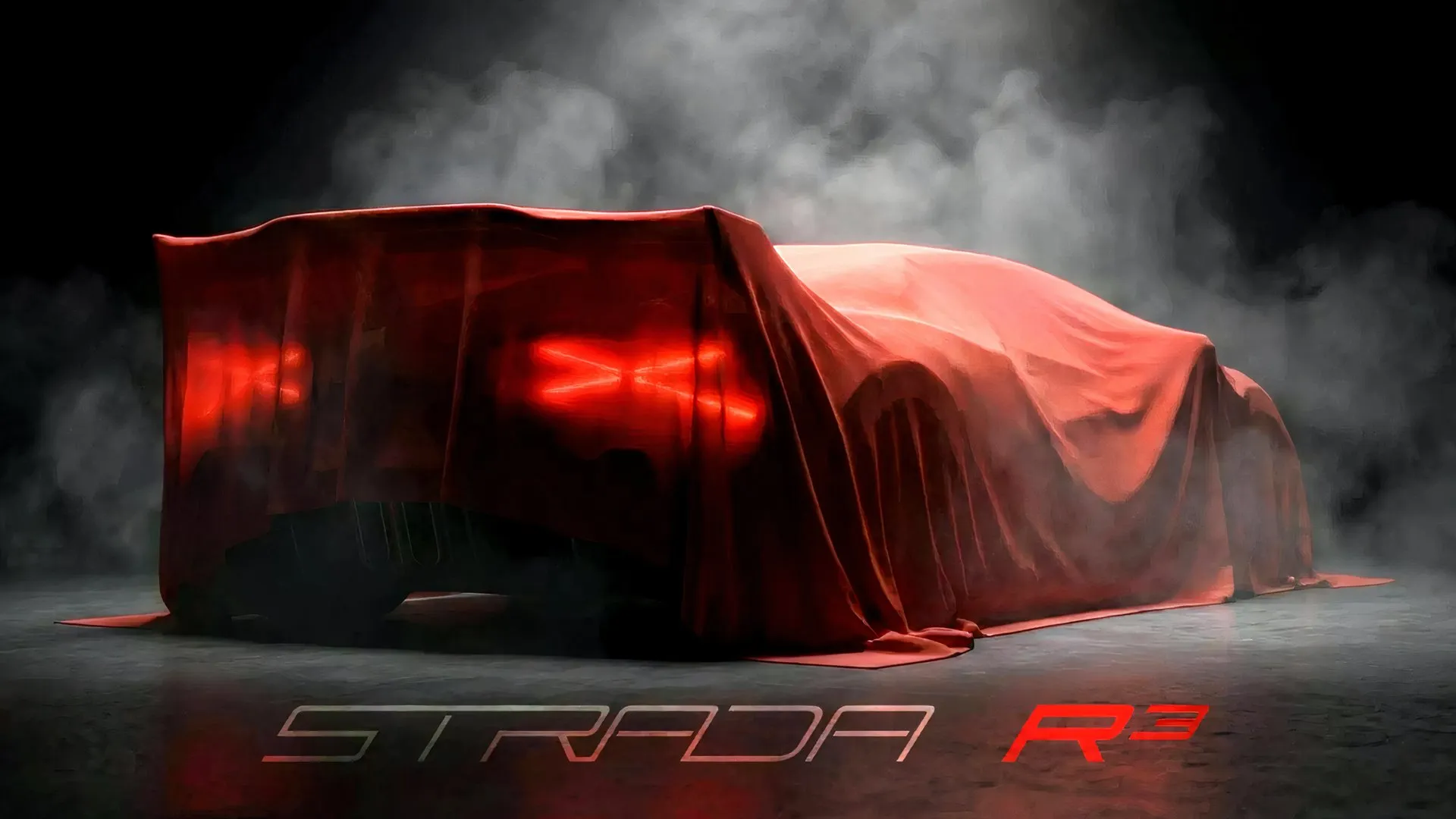
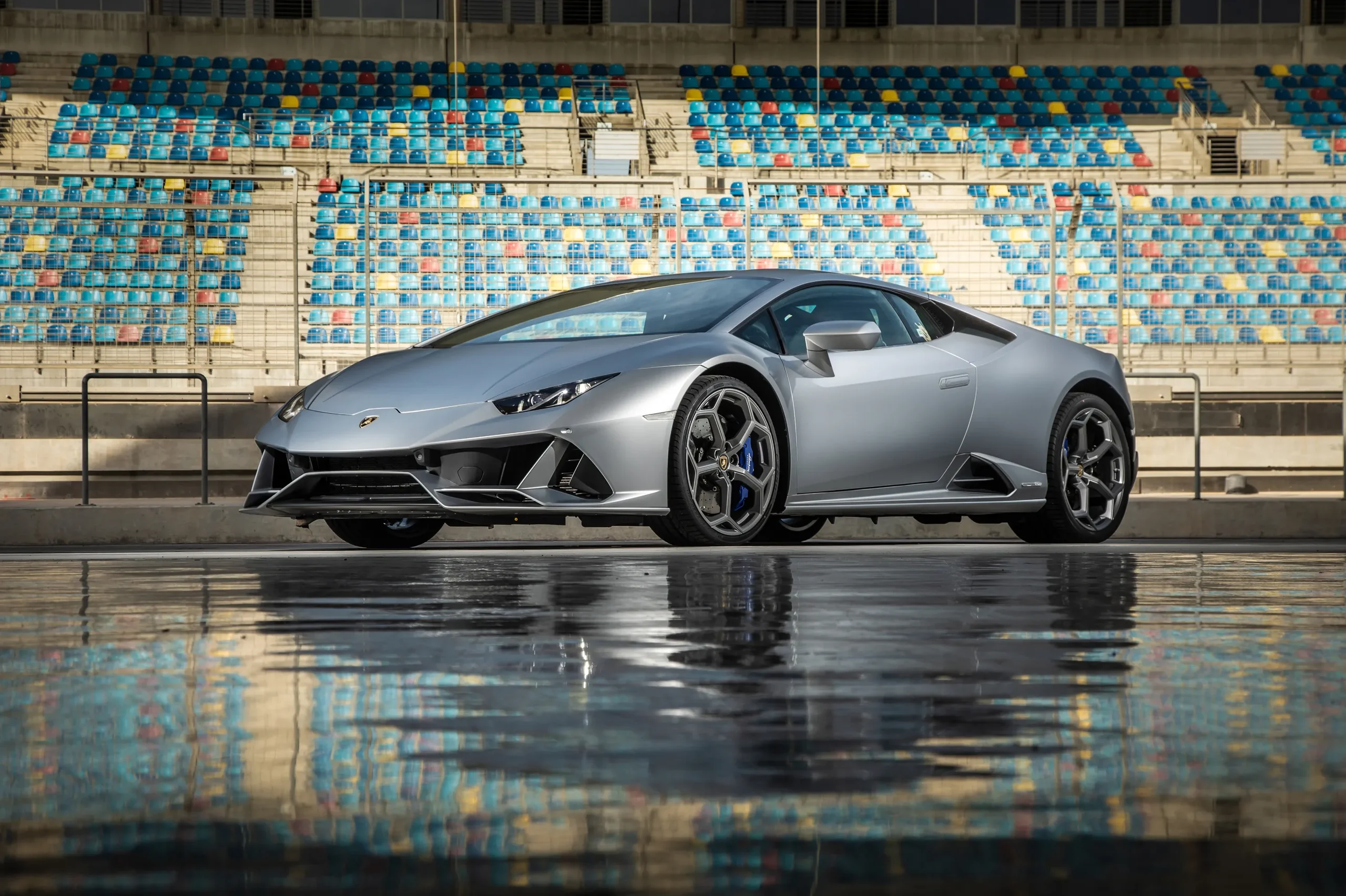
The Strada R³ is the latest creation from Zyrus Engineering, a Norwegian outfit that has built its reputation around extracting extraordinary performance from Lamborghini platforms. The Strada R³ will use the Huracán’s 5.2-liter V10 with Zyrus’ custom twin-turbo system and is rated at 1,500 hp. Production is scheduled to begin in July, and only five examples will be built.
Zyrus indicates the “Strada” designation, meaning street in Italian, signifies its full street-legal status. That distinction matters. Plenty of tuning houses can bolt turbos onto a V10 and chase dyno numbers. Keeping the result road-registrable, with all the emissions, noise, and safety compliance that entails, is a fundamentally different engineering challenge. For the small number of collectors who will own one, the Strada R³ promises hypercar-grade performance without the trailer-queen limitations of a track-only build.
The Engineering Behind 1,500 Horses
Zyrus has not yet disclosed the full scope of modifications beneath the bodywork, but the architecture is clear: the Huracán’s 5.2-liter V10 with a custom twin-turbo system to nearly triple the factory output. Zyrus’s earlier LP1200 Strada offered selectable power modes of 700 hp (Strada), 900 hp (Sport), and 1,217 hp (Corsa), and it is expected that the Strada R³ will feature similar adjustable output levels. The practical benefit of that approach is significant. A 1,500-hp car is magnificent on a prepared surface; it is considerably less magnificent in a rain-soaked parking garage.
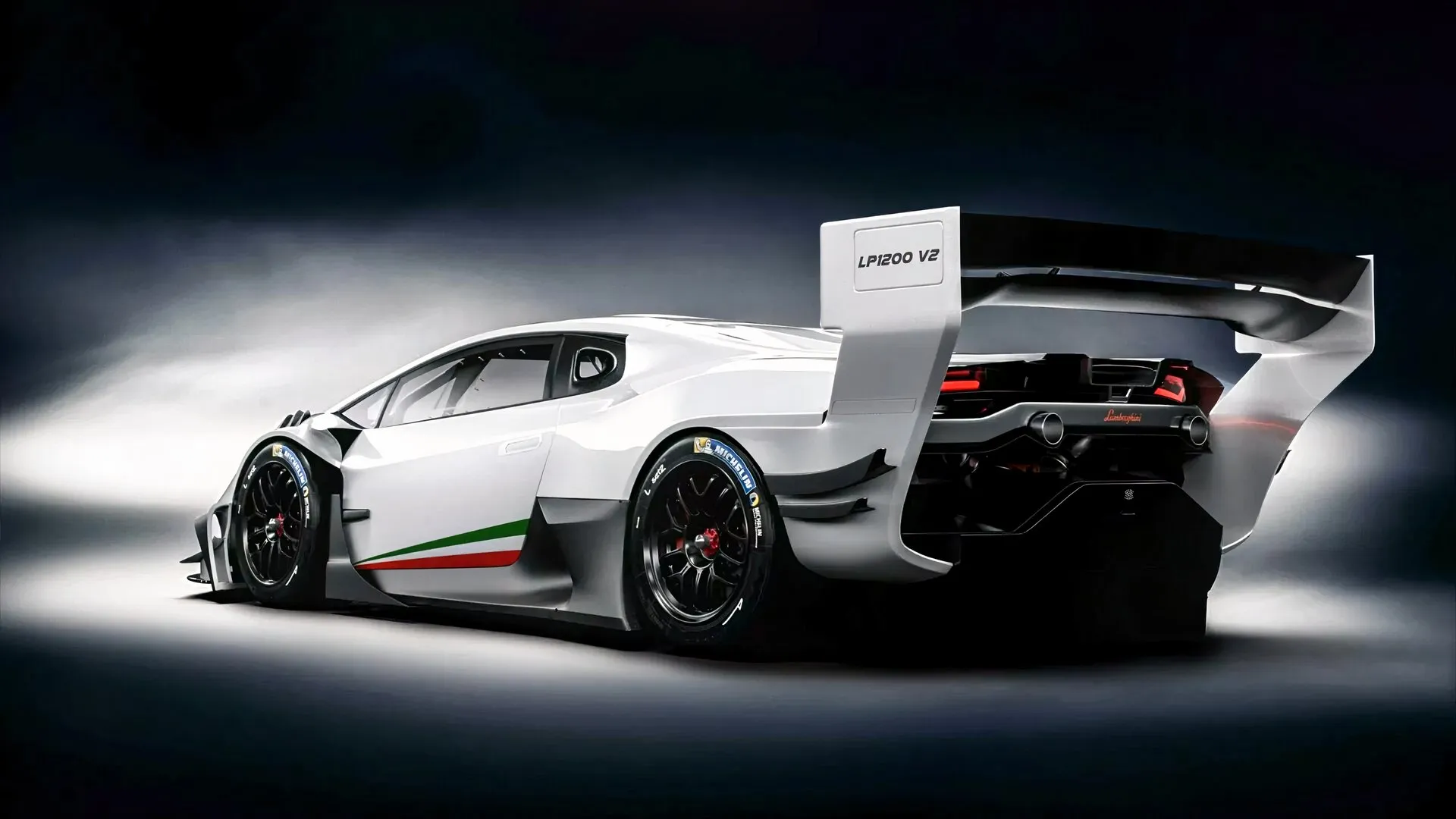
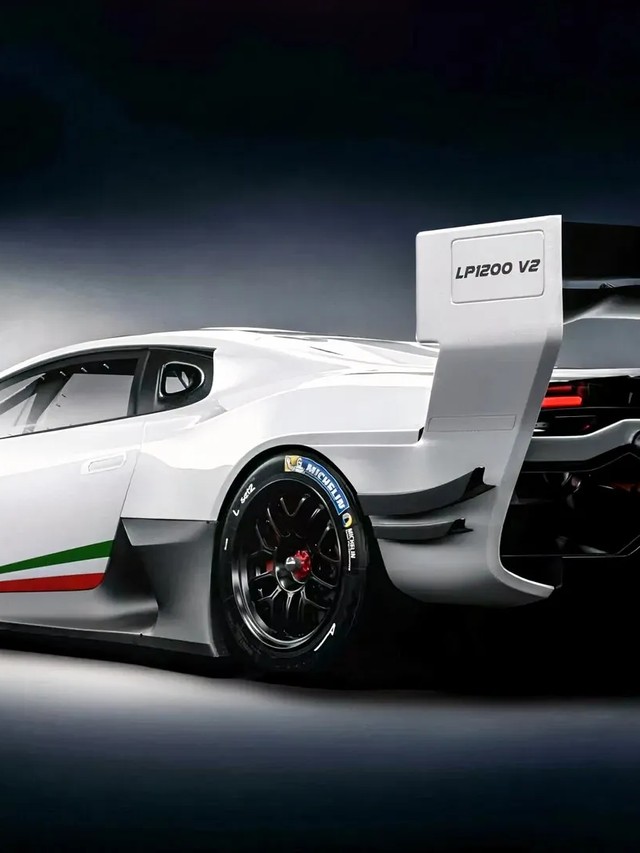
The aerodynamic ambitions are equally serious. That claimed 3,300 pounds of downforce against a 3,140-pound curb weight means Zyrus is targeting a downforce-to-weight ratio greater than 1:1. Achieving those figures on a street-legal car requires enormous commitment to active or fixed aero elements, and the teaser images confirm at least one component: a massive rear wing that dominates the car’s profile. According to Carscoops, Zyrus has also developed a bespoke hood designed for enhanced aerodynamics, and the front fascia features X-shaped daytime running lights.
What remains frustratingly unknown is how the chassis has been reinforced to cope with forces this extreme. Multiplying that output by nearly 2.4 times demands substantial structural upgrades to the drivetrain, suspension mounting points, and subframes. Zyrus has not addressed these details publicly, and prospective buyers should expect to ask pointed questions before signing.
Where the Strada R³ Sits Against Lamborghini’s Own Lineup
The timing of this reveal is no accident. Lamborghini has moved decisively into its hybrid era. Road & Track described the Temerario as a car that “revs to 10,000 and loves to slide,” which is about as enthusiastic as that publication gets.
But the Temerario is a different animal from what Zyrus is building. Lamborghini’s factory car represents a carefully calibrated balance of performance, emissions compliance, daily usability, and brand evolution. The Strada R³ exists in a space where none of those constraints apply beyond basic road legality. It does not need to meet fleet CO2 targets. It does not need to appeal to a buyer who also wants Apple CarPlay and a comfortable ride to dinner. It is, in the most literal sense, a V10 unshackled.
One competitor publication suggested the hybridized Temerario’s V8 lacks the “drama” of its predecessor, and that observation, whether you agree with it or not, points directly at the market Zyrus is targeting. There is a cohort of Lamborghini enthusiasts for whom the naturally aspirated V10 is not just a powertrain but a defining characteristic of the brand. The Strada R³ is, in part, a monument to that conviction, turbocharged though it may be. The V10’s fundamental character, its mechanical voice and linear response, remains the foundation even with forced induction layered on top.
The Huracán Platform Refuses to Retire
The aftermarket chapter, clearly, is not. Carscoops suggests the Huracán’s V10 engine could find extended life through projects like the Strada R³, and that framing captures something real about how enthusiasts relate to this platform. Its V10 has proven remarkably receptive to forced induction, with multiple tuners worldwide building four-figure horsepower cars on the platform. What Zyrus brings to the table is an attempt to elevate that approach from garage-shop heroics to something approaching OEM-grade validation.
The Huracán also continues in competition. Car and Driver recently tested the Huracán Super Trofeo Evo2 at its Lightning Lap event, reporting a 2:30.6 lap time with 612 hp and an estimated weight of 2,950 pounds. That race car represents an extreme interpretation of the platform. The Strada R³ aims to exceed it in raw output by a factor of nearly 2.5, while remaining street-legal. Whether it can match the Super Trofeo’s chassis refinement and track-honed balance is another question entirely.
Zyrus Engineering: Track Testing, Not Just Dyno Sheets
Zyrus Engineering states it has spent the last decade crafting highly modified Lamborghinis, and the company’s validation approach is worth examining because it separates Zyrus from the broader tuning ecosystem. Many shops chase headline horsepower figures that exist primarily on Instagram. Zyrus, by contrast, claims to have taken the LP1200 Strada to premier race circuits worldwide, including the Nürburgring, where it reportedly posted a 6:48 lap time. If accurate, that would place it among the fastest street-legal cars ever to lap the Nordschleife.
The company also subjects its vehicles to extreme climate testing, from cold Norwegian conditions to hot desert environments in the UAE. That kind of thermal cycling validation is standard practice for OEMs like Lamborghini itself, but it is rare in the aftermarket world. It suggests Zyrus is thinking about long-term reliability, not just peak performance on a perfect day. For buyers spending what these cars cost (the previous LP1200 Strada was reportedly priced starting at €595,000, later rising to €875,000 with a donor car and warranty included), that distinction between a tuner project and a properly validated machine is worth every euro.
According to Carscoops, Radni Molhampour is the chief executive of Zyrus Engineering. He described the Strada R³ as “a tribute to ten years of pushing the limits of design, engineering, and performance,” adding that “with the V10 twin-turbo at its heart and carbon fiber in its DNA, this supercar sets a new standard in our journey.”
Five Cars, No Price, and a July Production Date
Production will be limited to just five examples, making the Strada R³ considerably rarer than even Zyrus’ previous offerings. The prior LP1200 Strada had a production run of 24 units (though deep research suggests the actual road-legal allocation may have been as few as nine cars, with initial plans calling for 12). Either way, five is a number that virtually guarantees collector interest, assuming Zyrus delivers on the engineering promises.
Production is scheduled to commence in July. For Lamborghini enthusiasts watching from the sidelines, the Strada R³ is a fascinating case study. It demonstrates that the Huracán platform, even after Lamborghini has moved on, retains enough engineering headroom and cultural cachet to anchor a seven-figure hypercar project. Whether you view that as a tribute to the V10’s brilliance or a commentary on what the factory left on the table depends on your perspective. What is harder to argue with is the ambition: 1,500 hp, more downforce than weight, street-legal status, and a production run you can count on one hand. The Huracán may have left Sant’Agata, but it has not finished making its case.