The Unexpected Side of Sant’Agata
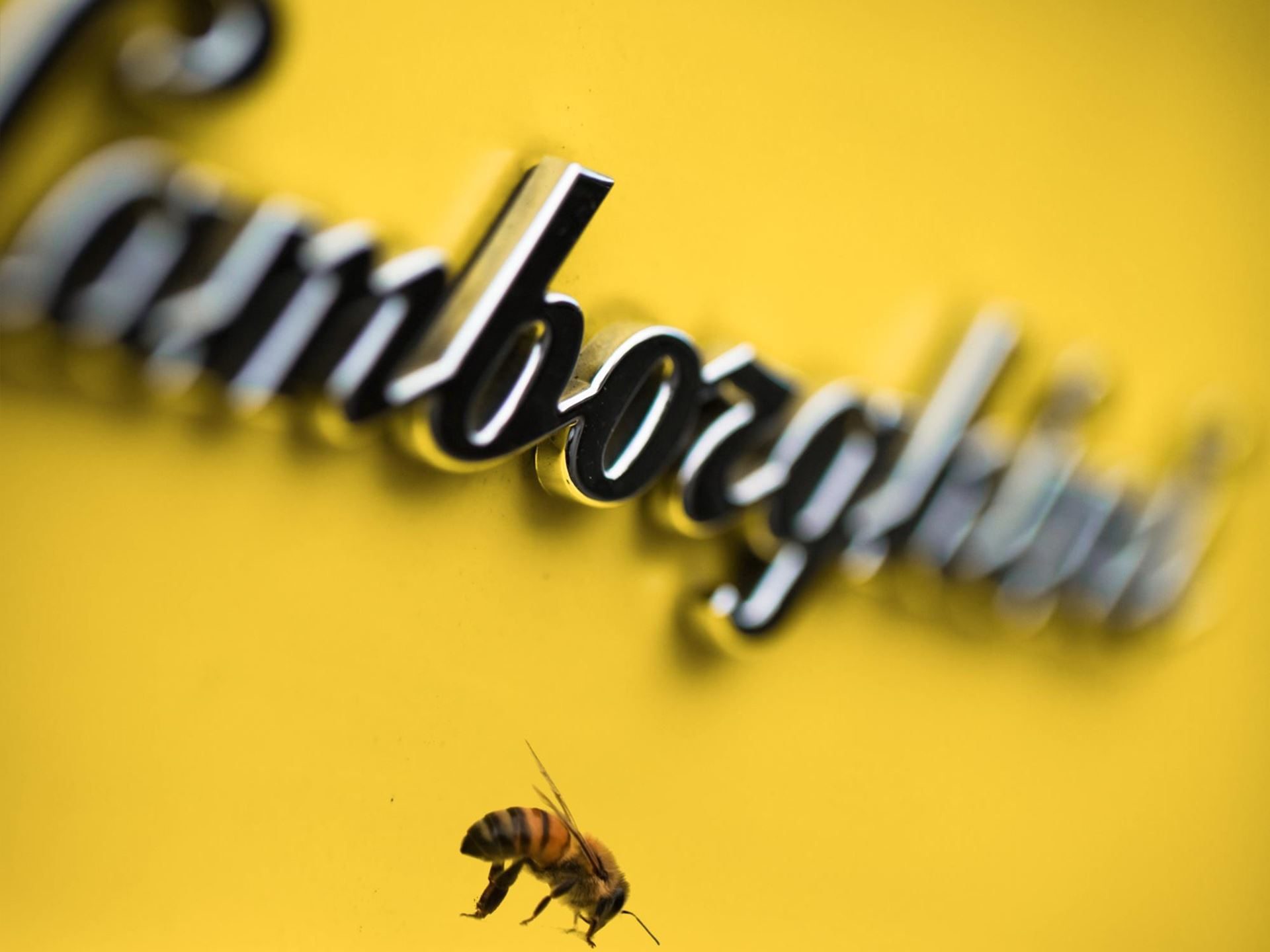
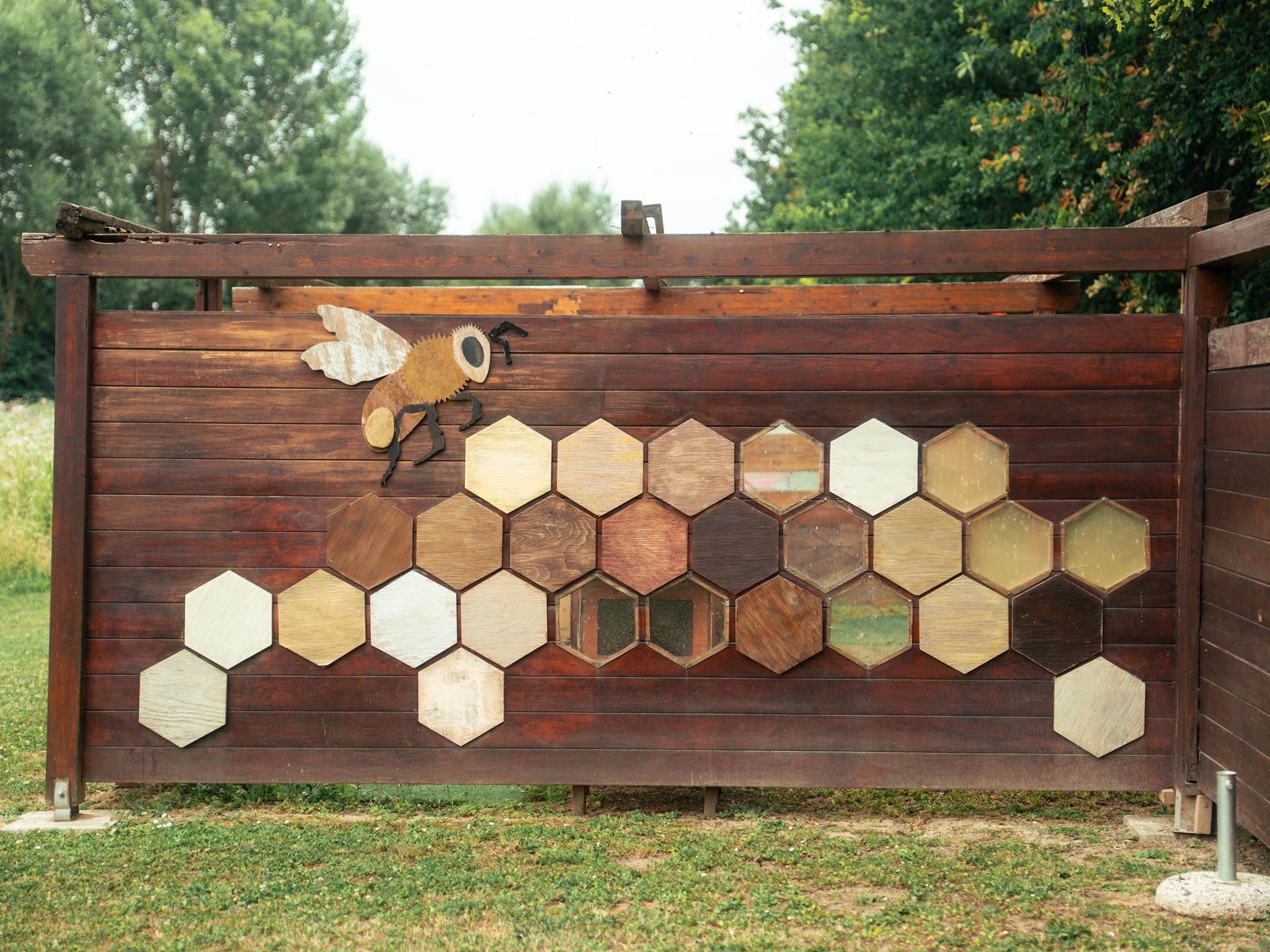
A supercar factory seems like an odd place to keep bees. The environmental biomonitoring program that supports those colonies launched in 2016, which means it just turned ten, a milestone Lamborghini chose to highlight on World Bee Day (May 20).
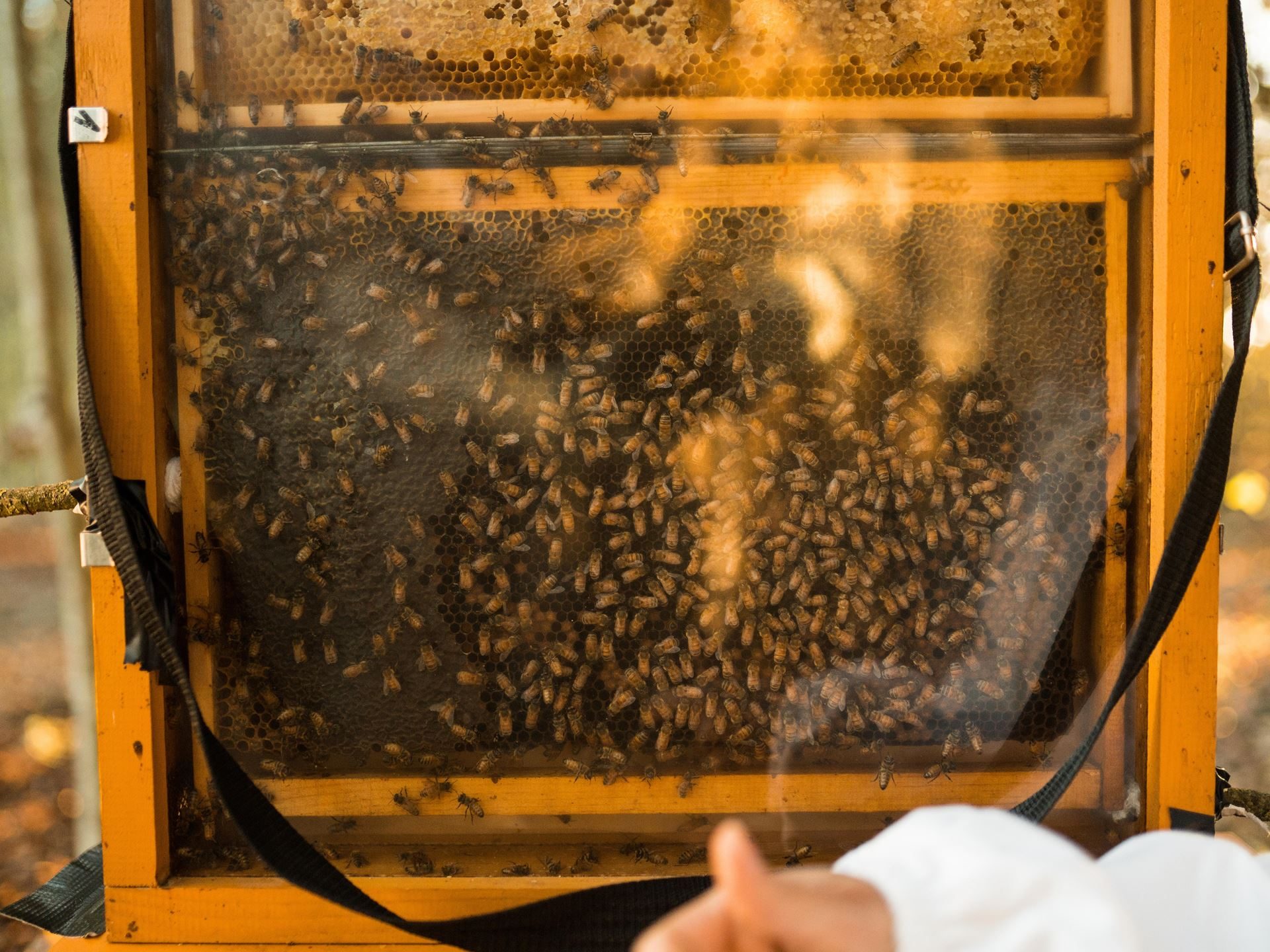
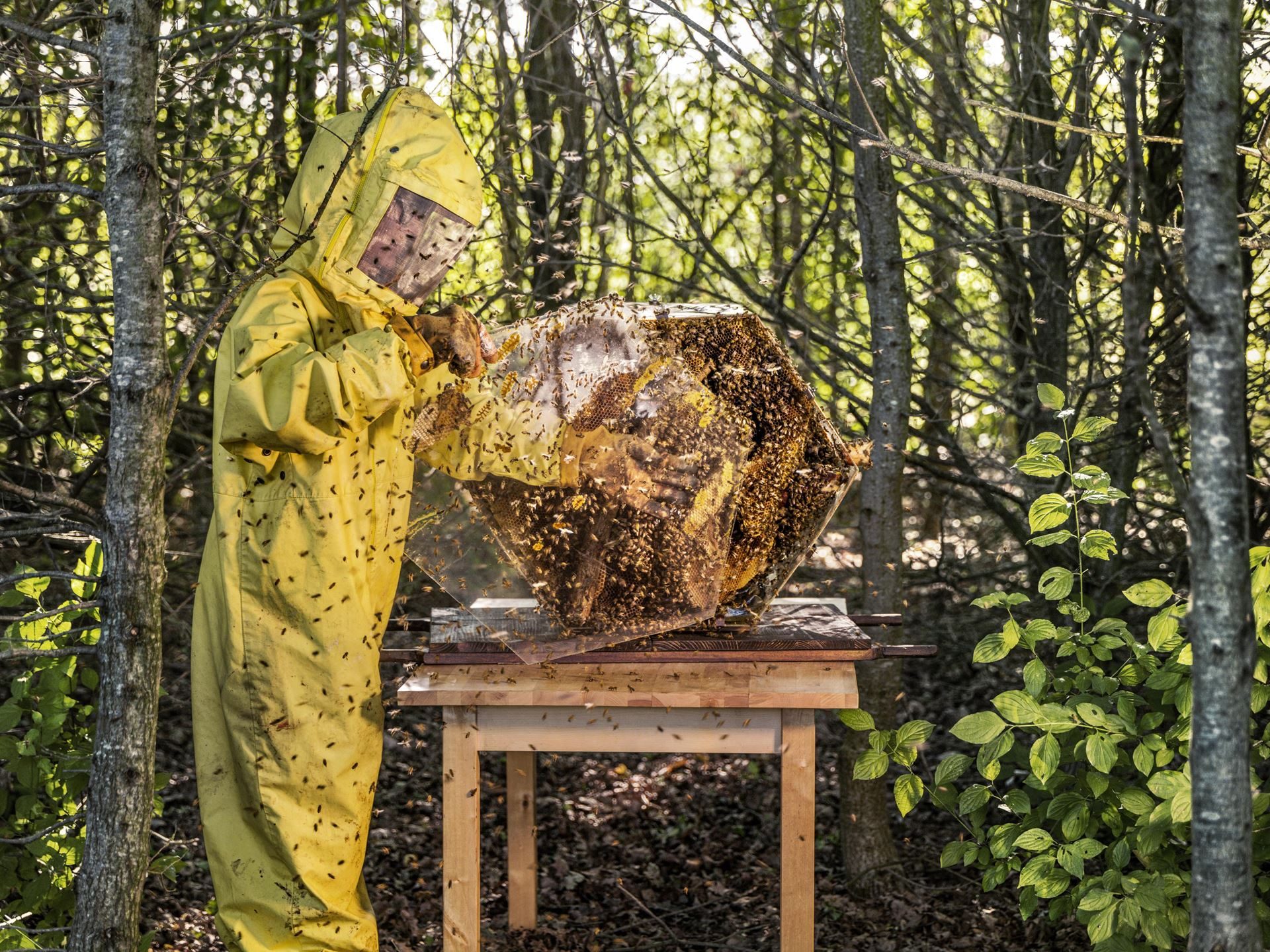
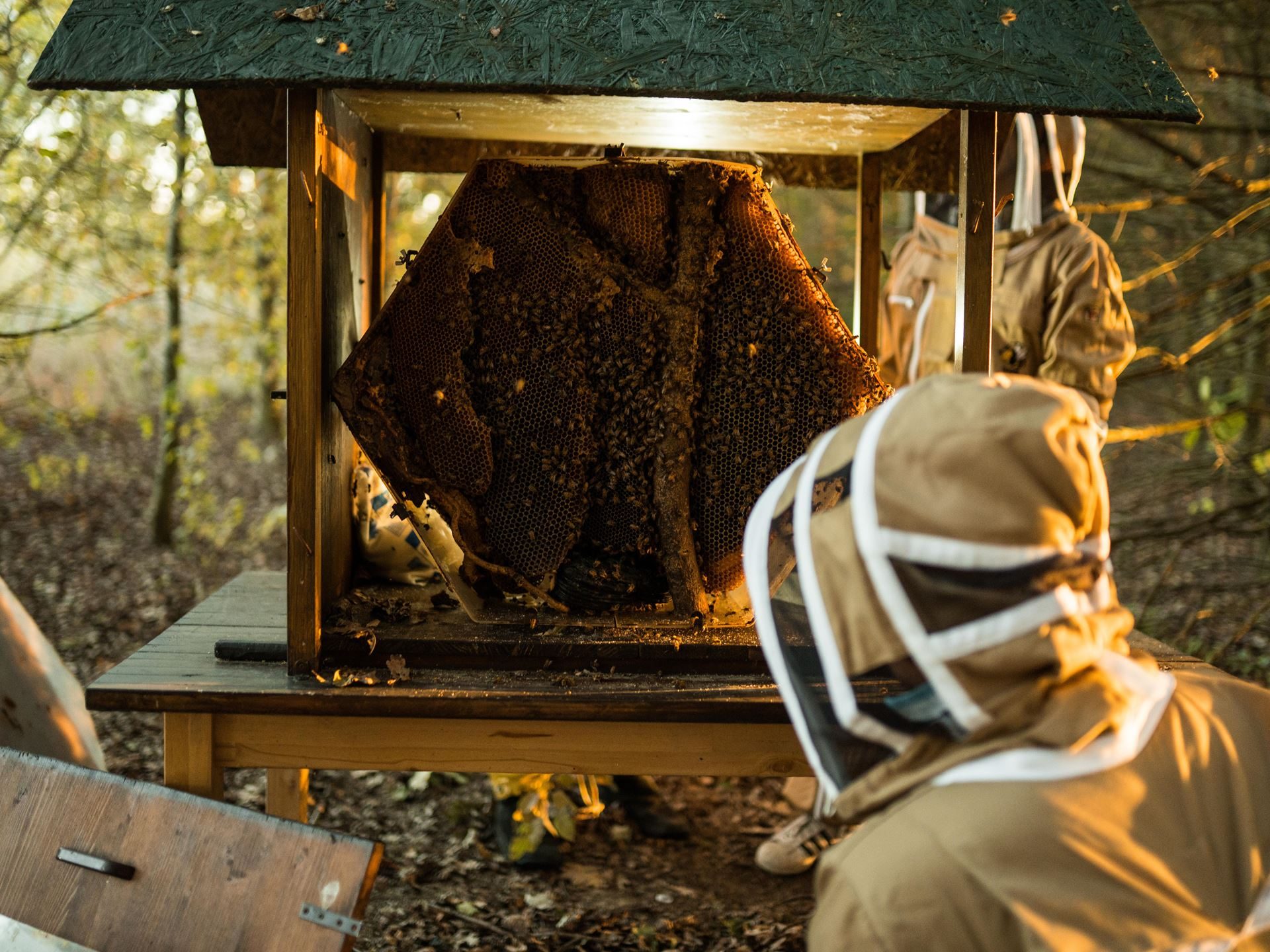
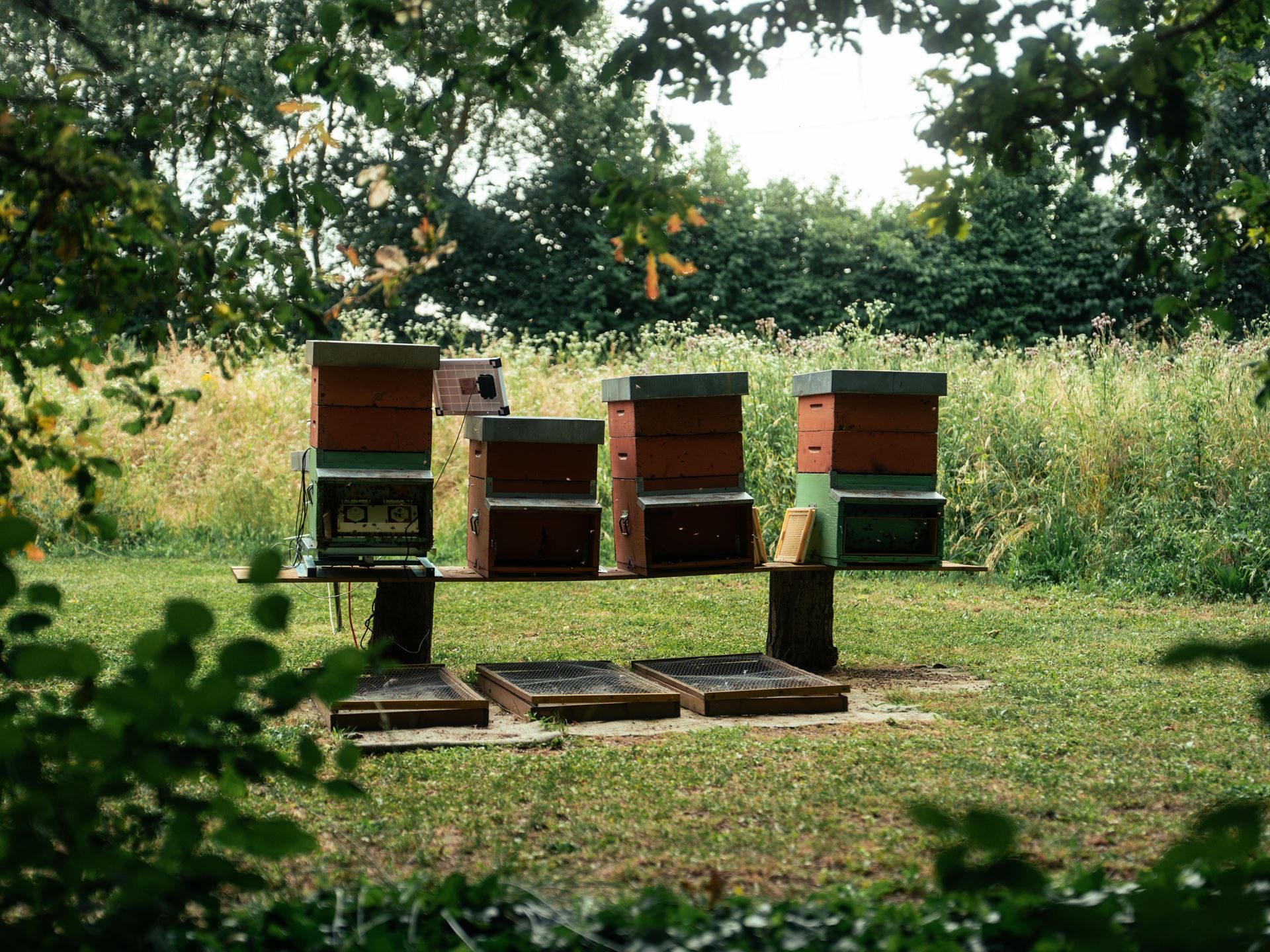
The premise is straightforward but unusual for a company that built its identity on V12 engines and carbon fiber monocoques. In collaboration with academic partners, the company monitors insect activity using instruments installed inside the hives, generating data on air quality and the presence of pollutants. It is, in effect, a biological early-warning system for the territory around Sant’Agata Bolognese.
That juxtaposition is deliberate. And over a decade, it has quietly become one of the most distinctive ways any supercar manufacturer defines what luxury performance actually owes to the place where it is built.
A Decade of Biomonitoring: The Bee Project’s Evolution
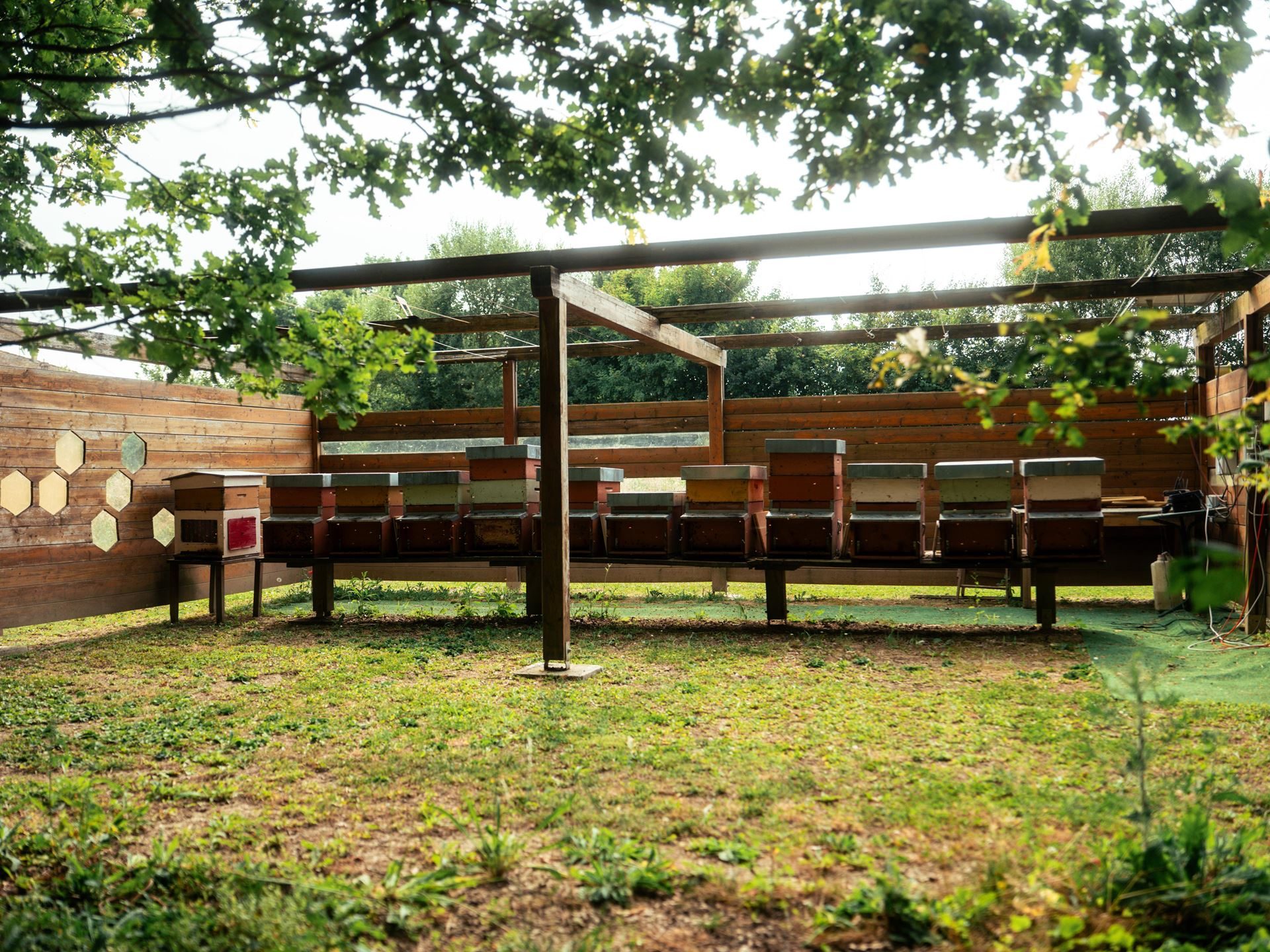
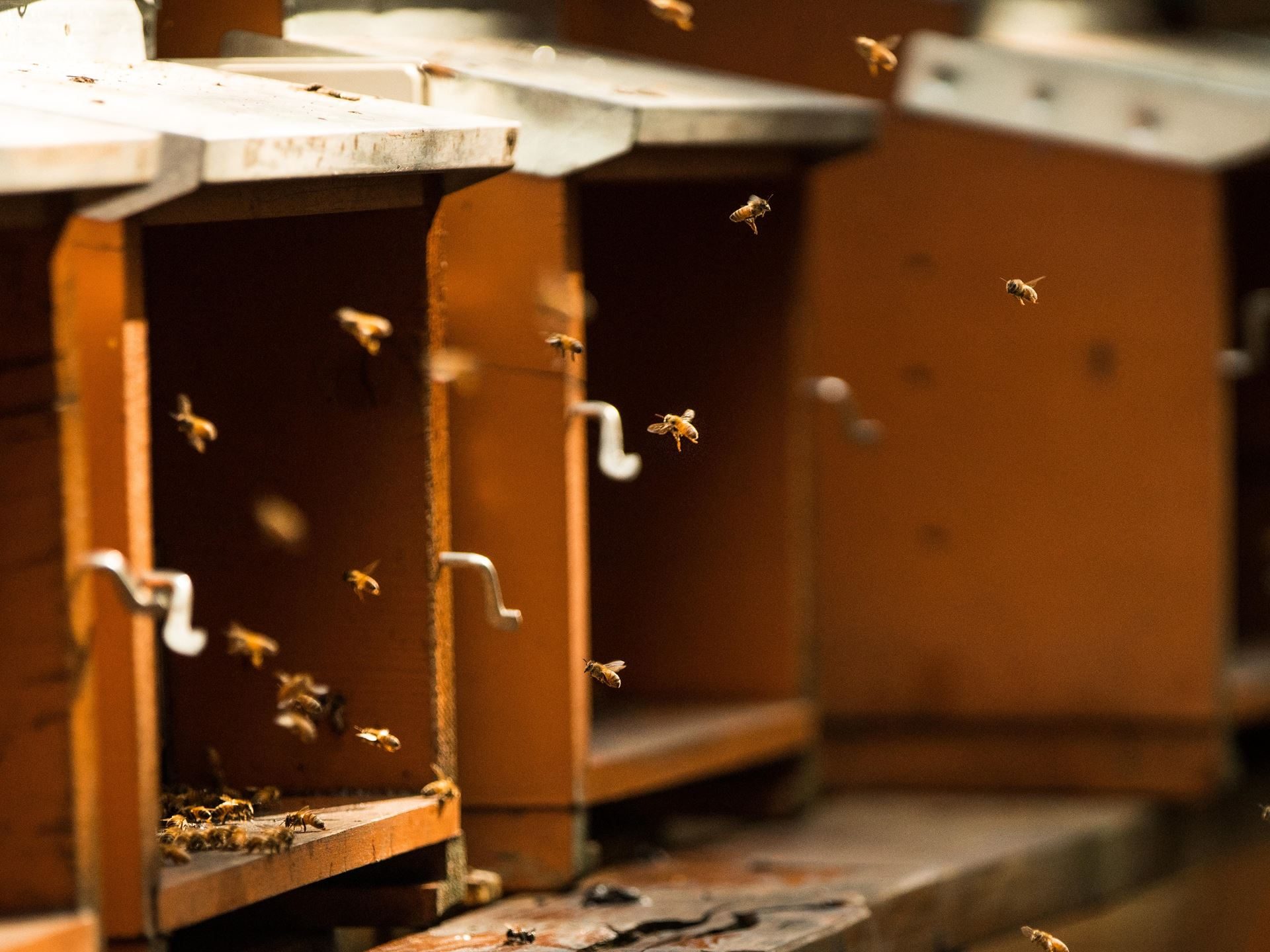
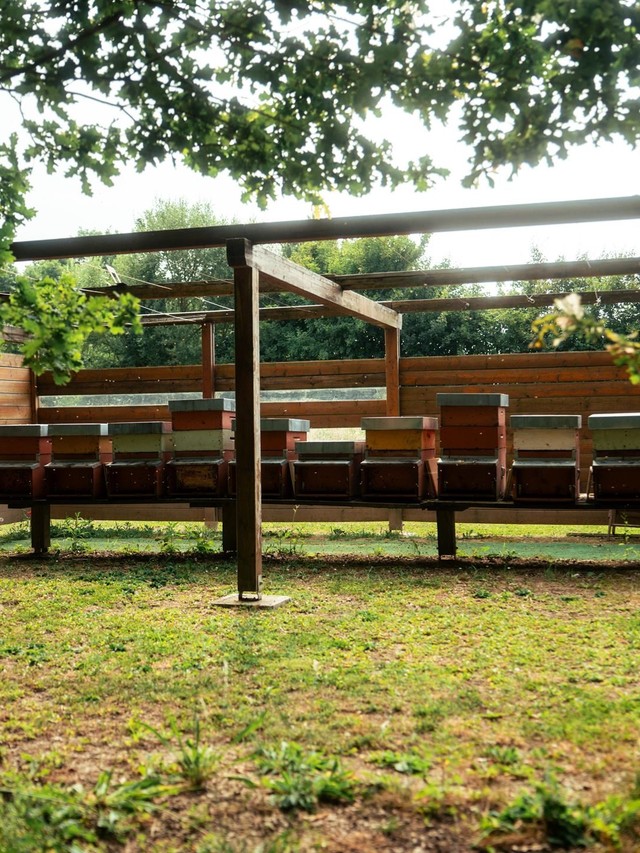
The program started modestly. Reports from 2021 indicated the apiary had grown to 12 hives from its original eight, with a bee population of around 600,000 at that time. More than 120,000 bees forage daily across the surrounding area.
Spanning seven hectares with over 10,000 plants, the park is open to employees, the local community, and researchers. It doubles as a biodiversity corridor and a data-collection site.
That growth trajectory matters because it separates the project from a one-year PR stunt.

The Science Behind the Swarm: How Bees Monitor Lamborghini’s Environment
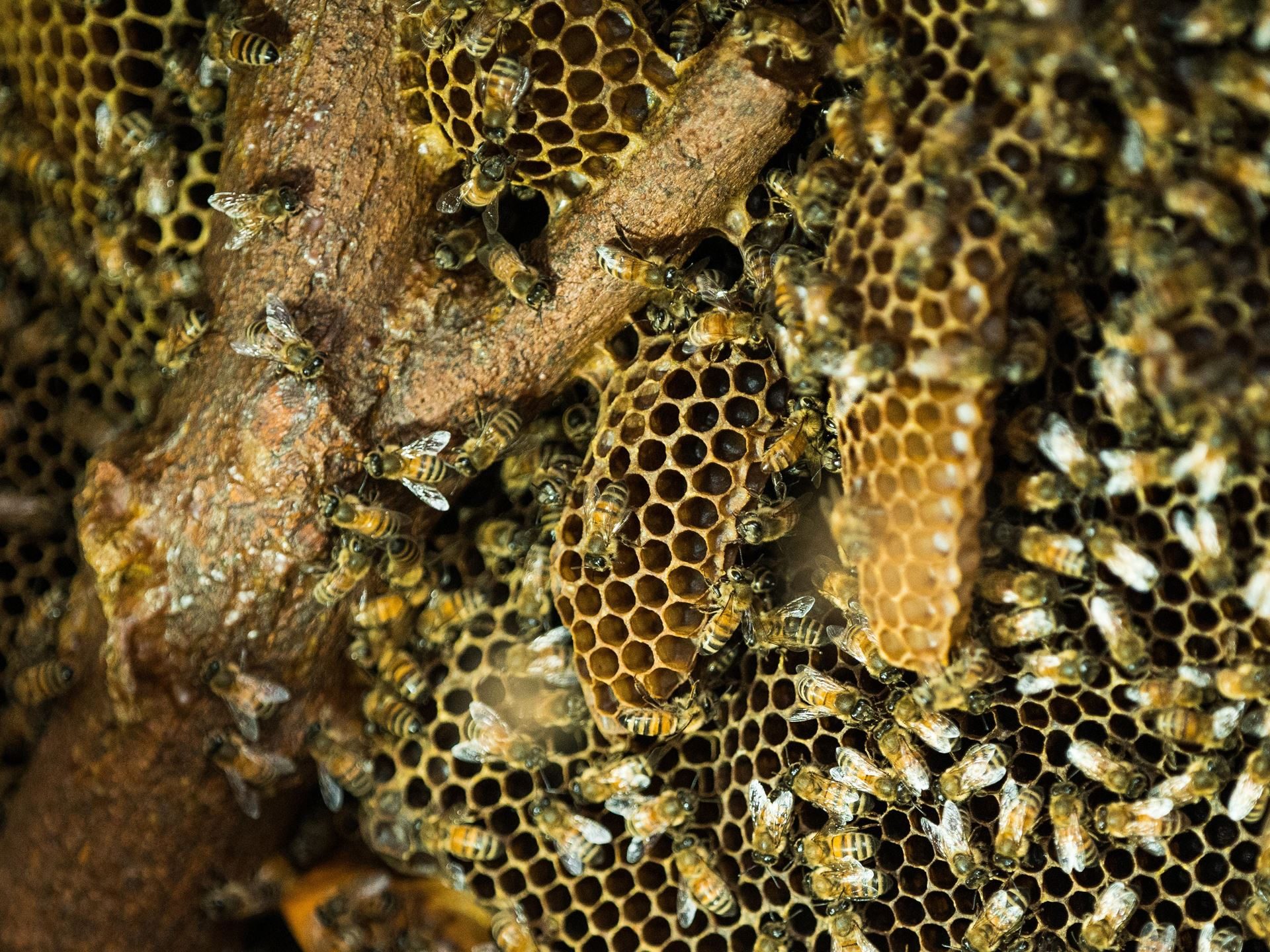
The science here is more rigorous than the word “honey” might suggest. Lamborghini highlights that this makes them effective natural indicators of environmental health within their foraging radius.
Analysis of those hive matrices can identify pollutants such as pesticides, heavy metals, aromatic compounds, and dioxins, according to one report. The system is designed to detect agricultural and urban pollutants, offering data on air quality and general environmental pollution levels. That same source notes the collected data aids in mitigating pollution in the Sant’Agata Bolognese area, though Lamborghini itself has not published specific findings or remediation outcomes from the program.
Still, what remains unclear is what specific environmental improvements, if any, the decade of data collection has produced. Lamborghini has not disclosed whether pollutant levels in the area have measurably declined or whether the data triggered changes to factory operations or local agricultural practices. That would be the next logical piece of the story for the company to tell, and it would transform the project from a compelling initiative into a proven one.

From Hive to Home: The Exclusive Lamborghini ‘Miele’
It is a small, almost charming detail, but it carries more significance than it might seem at first glance.
Lamborghini has not confirmed whether this honey is available for purchase by the general public or reserved for employees and VIP guests.

Competitive Edge: Lamborghini’s Sustainability as a Brand Differentiator
The ultra-luxury automotive segment talks a great deal about sustainability, but most of those conversations center on electrification timelines and emissions figures. Lamborghini participates in that discussion too: the Sant’Agata Bolognese production site achieved carbon-neutral certification in 2015 and, according to one report, maintained that status even after doubling the facility’s footprint. The current lineup (Revuelto, Temerario, Urus SE) is fully hybridized, making Lamborghini, by its own account, the first brand in its segment to offer only hybrid models.
The bee project occupies a different space in that strategy. It is local, tangible, and biological rather than technological.
That independence gives it a credibility that product-linked sustainability claims sometimes struggle to achieve.

Looking Ahead: The Future of Lamborghini’s Environmental Commitment
Ten years in, the bee project faces the question any long-running initiative encounters: what does the next chapter look like? Lamborghini has not announced specific plans to expand the program, introduce new monitoring species, or publish the accumulated environmental data in a public-facing format. The broader sustainability roadmap, described under the “Direzione Cor Tauri” strategy, aims for total decarbonization by 2050, according to one report, and the bee project fits within that framework as a local, community-facing element.
For Lamborghini owners and prospective buyers, the practical dimension is worth noting. The bees foraging around the grounds are not decorative. The bees, for their part, will keep flying regardless.

Gallery