The Temerario Takes Center Stage at Munich’s Hoch5
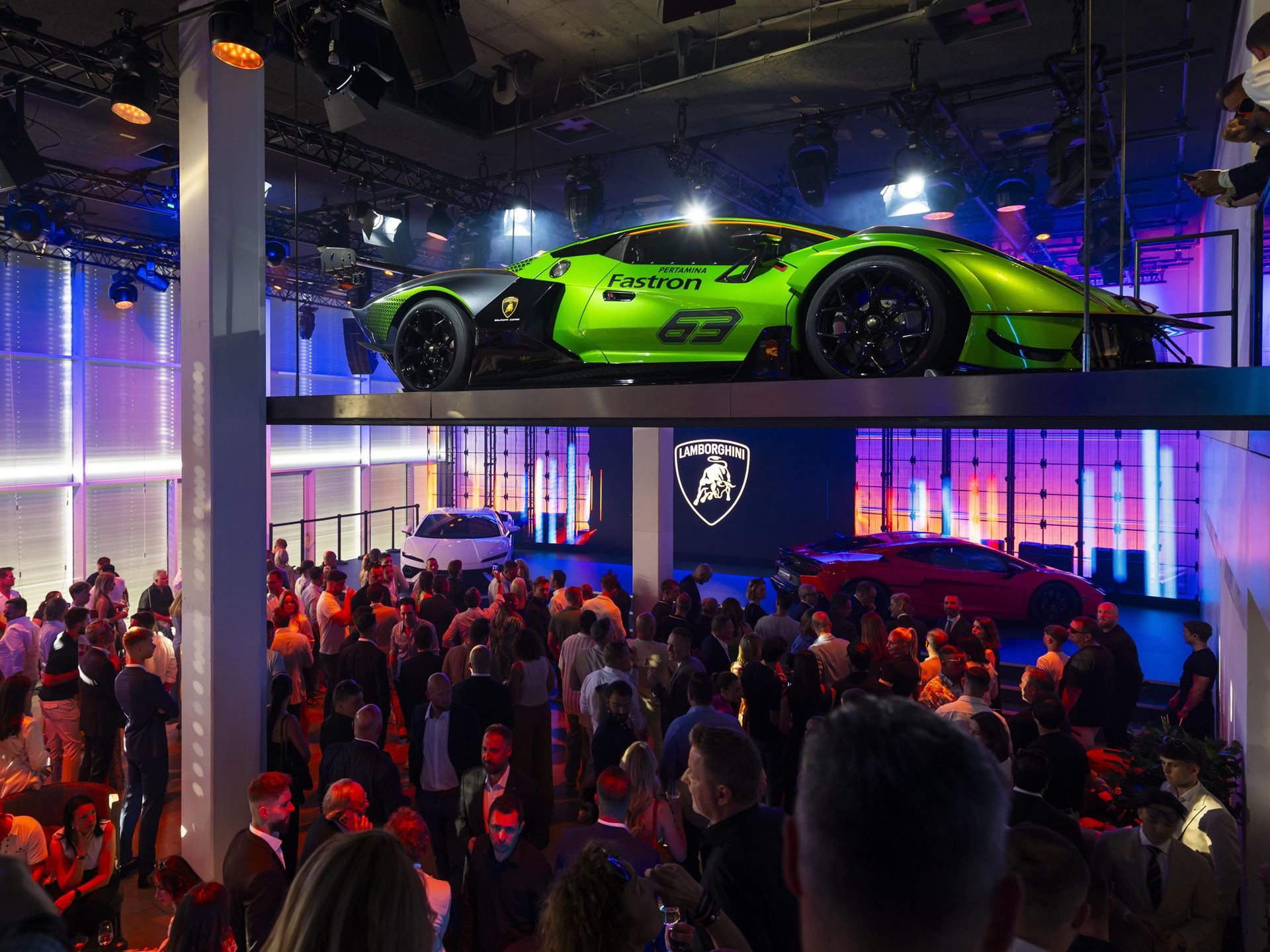
When Lamborghini gathers its chairman, CTO, sales chief, design director, and aftersales head in a single room, the message is less about hospitality and more about strategic weight. That is exactly what happened on June 24 at Munich’s Hoch5 venue, where the brand’s second annual German showcase gave customers and partners an up-close encounter with a lineup that now runs entirely on hybrid power.
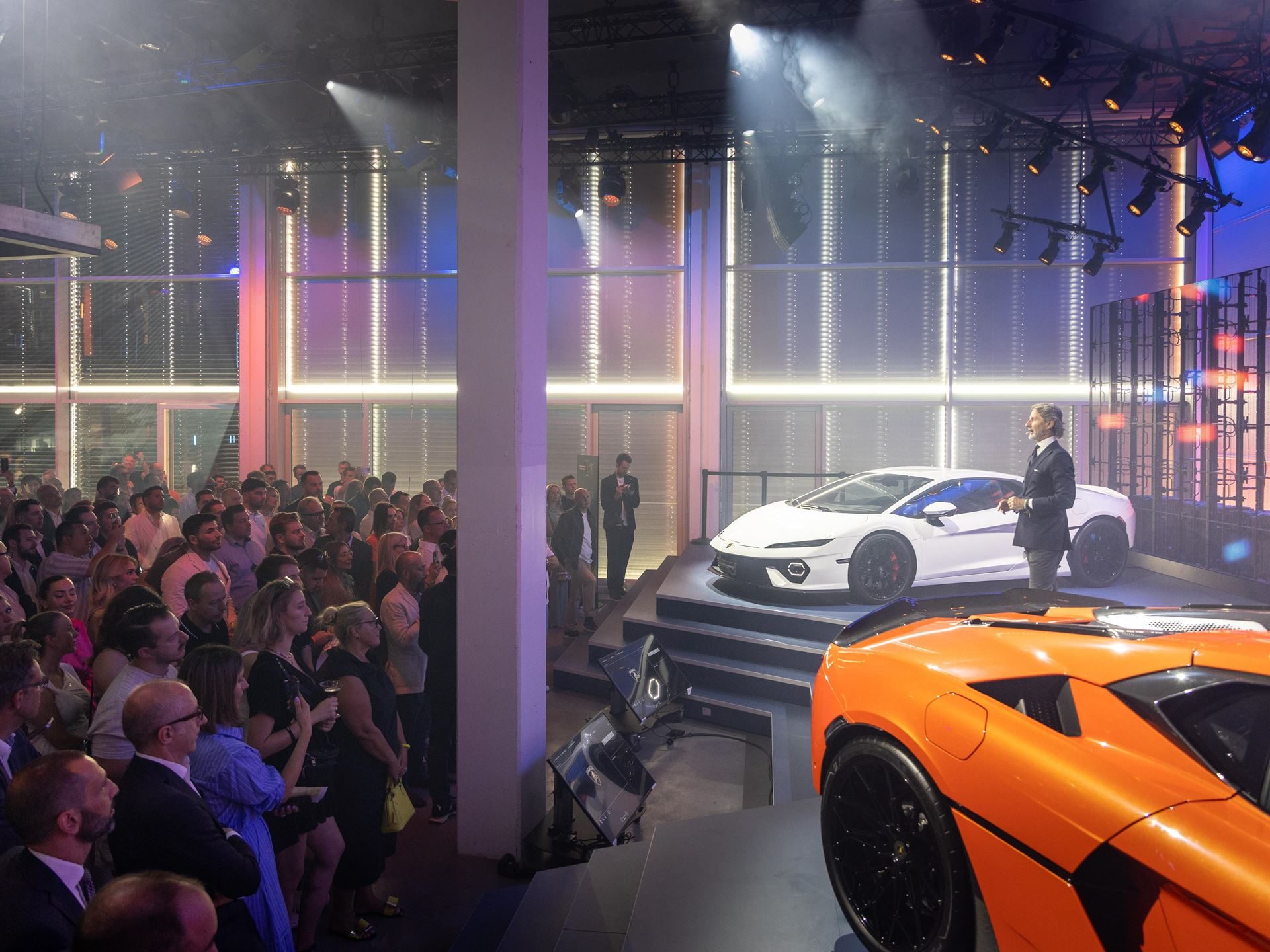
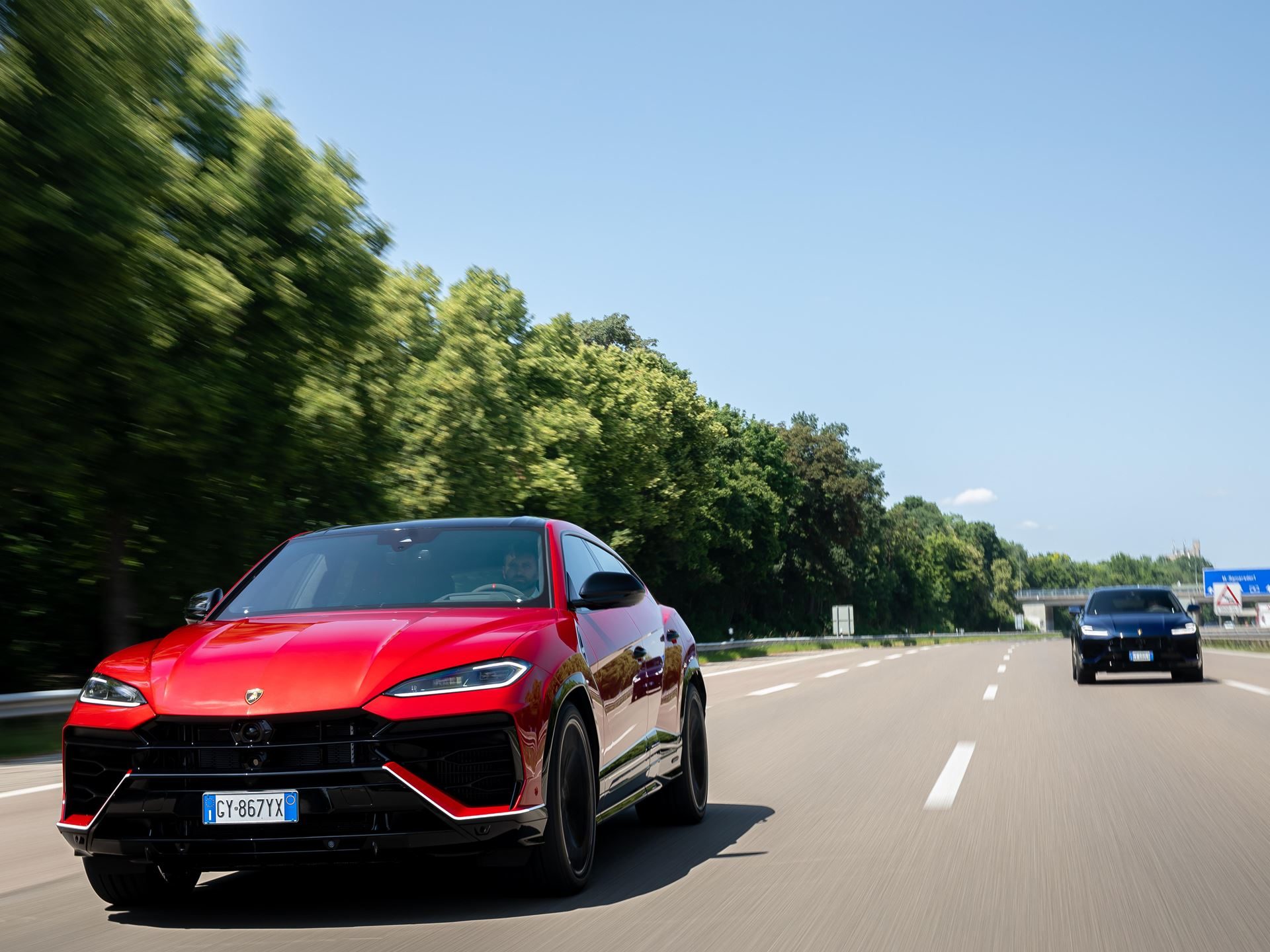
The star of the evening was the Temerario, displayed on the main stage in two configurations: one finished in Arancio Xanto with a black interior, the other in Bianco Monocerus with red and black accents. Flanking it were the Revuelto and the Urus SE, completing what Lamborghini calls its High-Performance Electrified Vehicle range. The company asserts it is the first super sports car manufacturer to offer a fully electrified model range, a claim that reflects how quickly Sant’Agata Bolognese moved once it committed to the Direzione Cor Tauri electrification strategy.
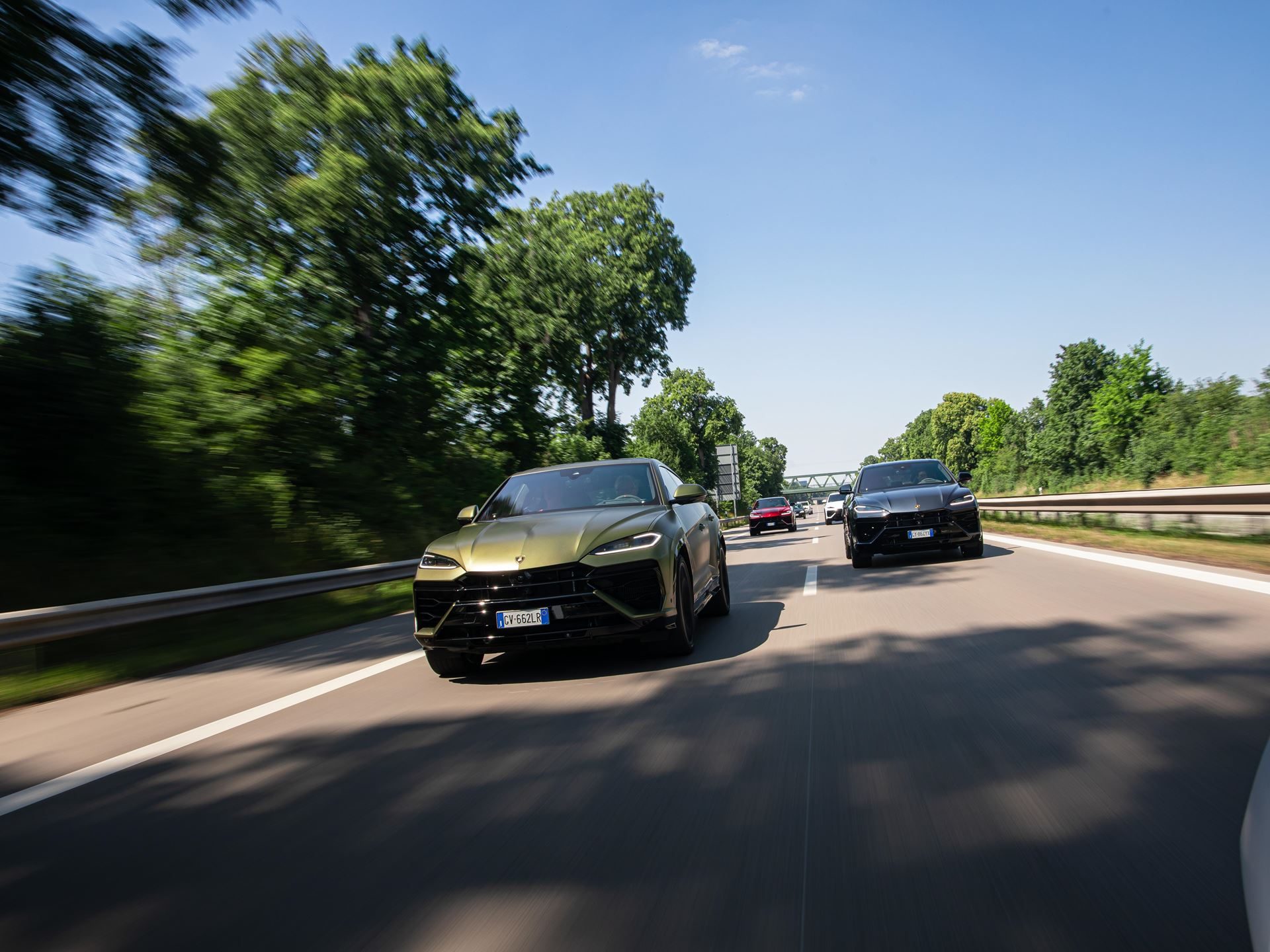
Last year’s event at the Mülheim airship hangar served as the Temerario’s European premiere. Munich’s rooftop setting offered a different backdrop, but the core message carried over: every car Lamborghini currently sells now carries electric assistance. Chairman and CEO Stephan Winkelmann hosted alongside CTO Rouven Mohr, Chief Sales and Marketing Officer Federico Foschini, Design Director Mitja Borkert, and Aftersales Director Alessandro Farmeschi. That much of the senior leadership traveled to Munich underscores how seriously Lamborghini takes this market: in 2024, Germany was the brand’s largest European market and second largest worldwide, with 1,000 vehicles delivered.
920 CV and a 10,000 RPM V8: What Makes the Temerario Different
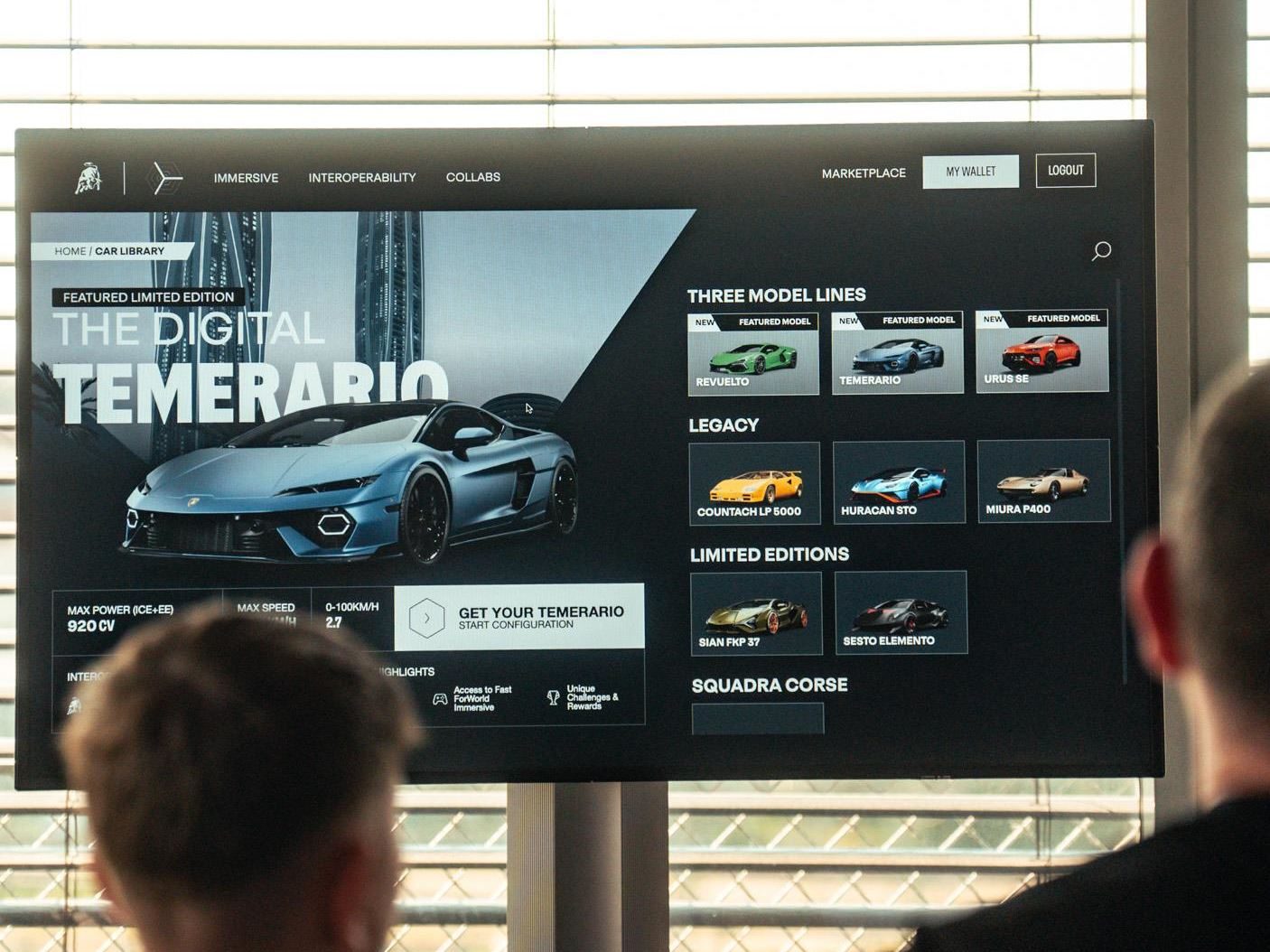
Strip away the event staging and the Temerario’s calling card is its powertrain. Lamborghini says the car pairs a newly developed twin-turbo V8 with three electric motors for a combined 920 CV, a top speed of 343 km/h, and a 0 to 100 km/h sprint of 2.7 seconds. Those numbers alone would be competitive. The more interesting detail is what the V8 does on its own.
Lamborghini states the Temerario’s V8 is the first and only engine of its kind in a production super sports car capable of reaching 10,000 rpm. For a turbocharged engine, that redline is extraordinary. Turbocharging typically favors broad, low-rev torque over stratospheric rev limits, and most forced-induction V8s in this segment top out well below 9,000 rpm. Pushing a turbo V8 to five figures requires lightweight internals, precise tolerancing, and a willingness to engineer around the constraints that make turbocharging efficient in the first place. The result, if Lamborghini’s claim holds under independent testing, would be an engine that bridges the gap between the old naturally aspirated character the brand built its identity on and the electrified future it now inhabits.
Online discussion around the Temerario’s character remains divided. Multiple enthusiast forums reflect mixed opinions on the car’s design language and powertrain sound compared to the outgoing V10 era. Whether the 10,000 rpm V8 delivers emotional engagement on par with its predecessor will define how the Temerario is remembered, regardless of what the spec sheet promises.
For prospective buyers, the practical takeaway is blunt. Federico Foschini confirmed that the Temerario’s production capacity is fully booked for the next 18 months. If you want one, the conversation with your dealer needed to start months ago.
A Shared Production Line for Two Very Different Supercars
One detail that received little attention outside the event itself is Lamborghini’s confirmation that the Temerario and Revuelto are now manufactured on the same hybridized production line in Sant’Agata Bolognese. This is the first time Lamborghini produces two different super sports car models on a single line.
The logistical implications matter more than they might sound. Running a V12 flagship and a twin-turbo V8 on shared infrastructure means Lamborghini designed both cars’ hybrid architectures to be compatible at the assembly level, even though the powertrains differ fundamentally. The Revuelto combines a naturally aspirated V12 with three electric motors for 1,015 CV; the Temerario uses a turbocharged V8 with the same three-motor layout for 920 CV. Shared production allows Lamborghini to flex capacity between the two models as demand shifts, a meaningful advantage for a low-volume manufacturer that cannot afford idle tooling.
For context, Ferrari and McLaren both run dedicated lines for their respective mid-engine models. Lamborghini’s approach suggests confidence that the hybrid packaging is modular enough to accommodate both cars without compromising build quality or slowing cycle times. Whether that confidence is justified will become clearer once independent reviewers begin examining early production examples.
Heritage and Lifestyle: The Rest of the Munich Program
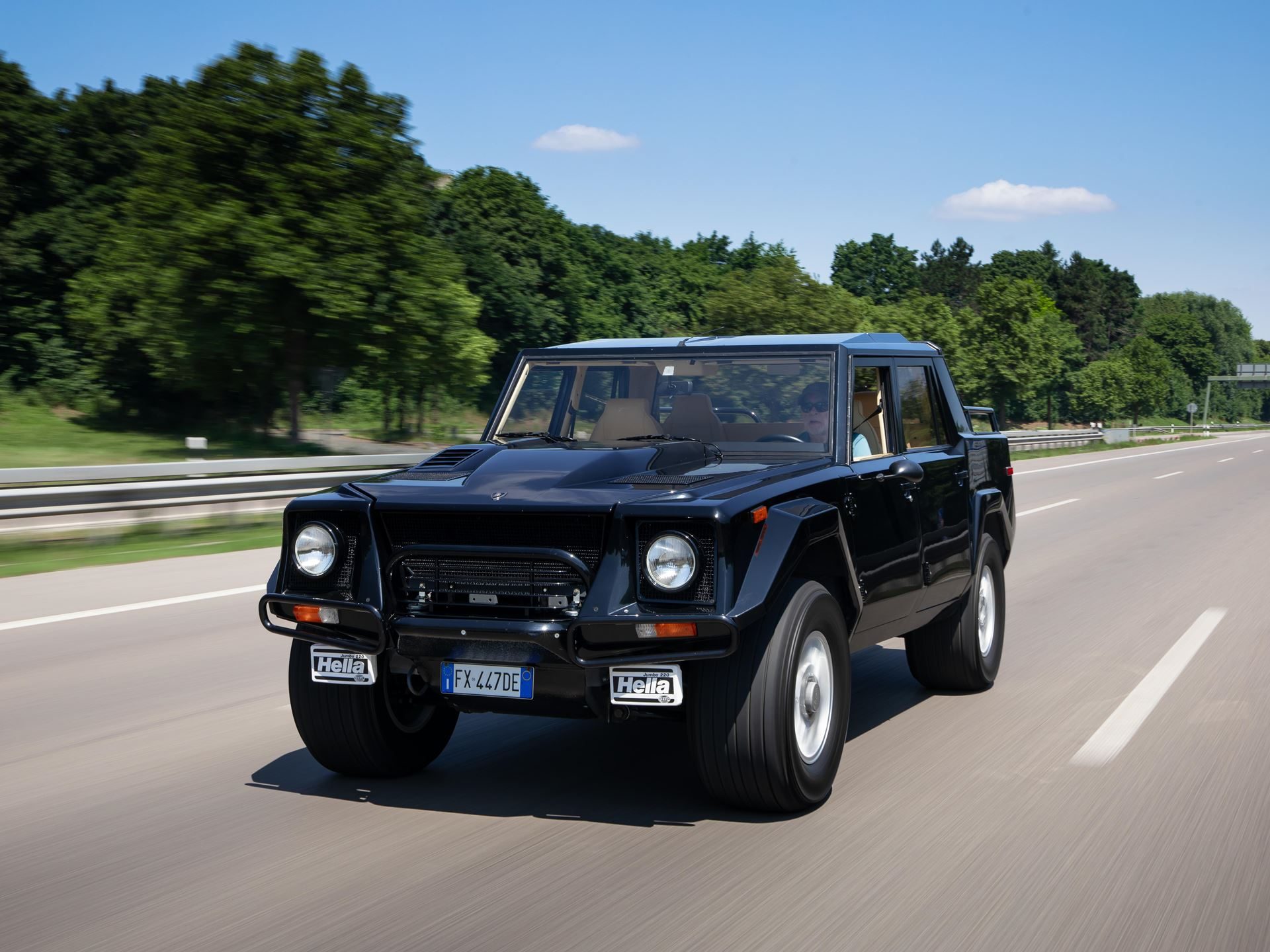
Lamborghini Day Germany was never meant to be a pure product launch, and the Munich program made that plain. Beyond the current production cars, the event included a display of the track-only Essenza SCV12, which Lamborghini describes as a naturally aspirated 6.5-liter V12 hypercar producing 830 hp and limited to 40 units. A rare LM002 off-roader appeared on the terrace alongside modern Urus models, forming a visual timeline that connected Lamborghini’s first truck to its current Super SUV.
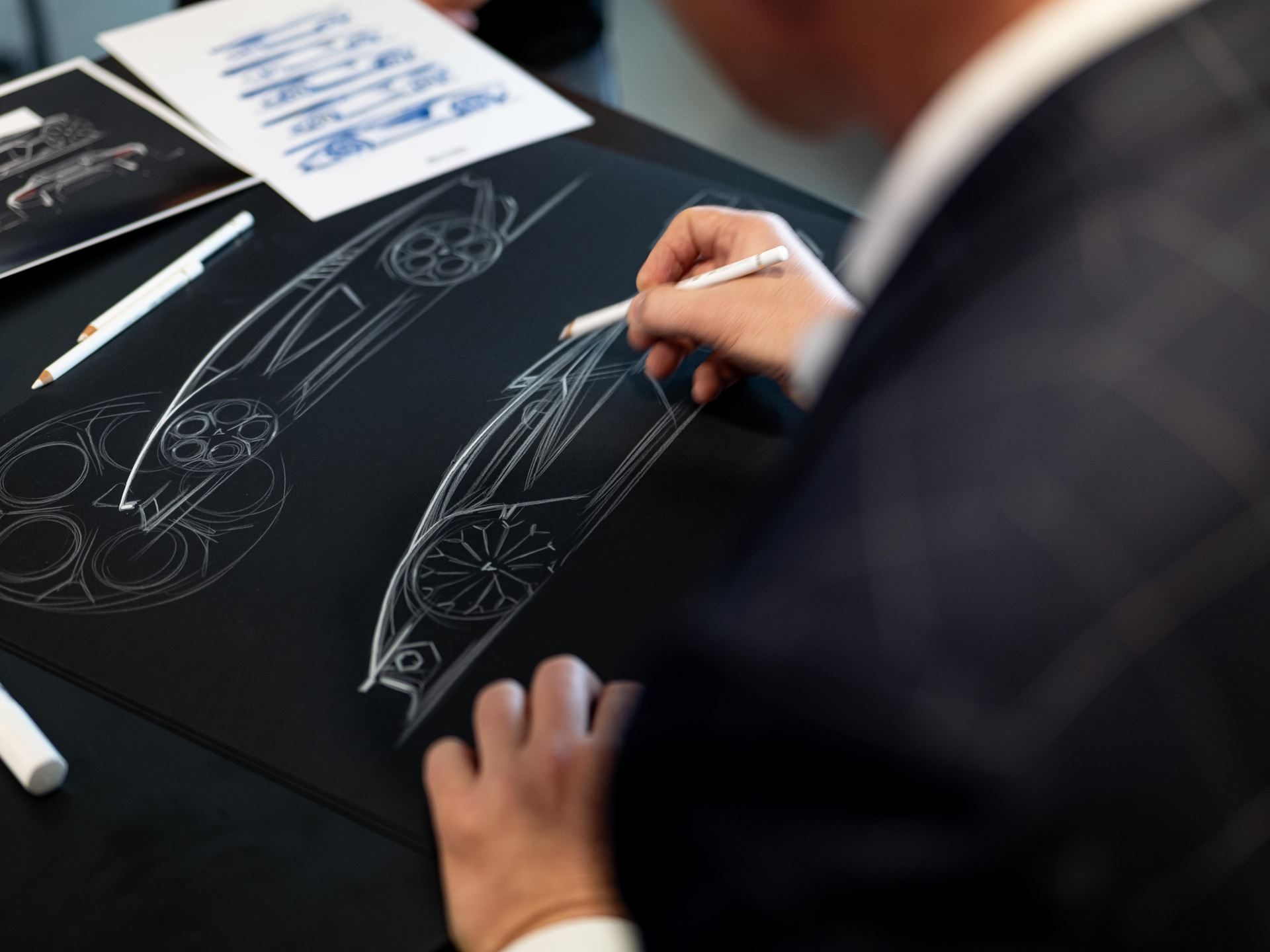
Two heritage milestones framed the evening. Lamborghini’s Centro Stile design department marks its 20th anniversary in 2025, while Polo Storico, the brand’s classic car restoration division established in 2015, celebrates its tenth. Design Director Mitja Borkert led a workshop offering sketches and insights into the design language that connects the current lineup to its predecessors.
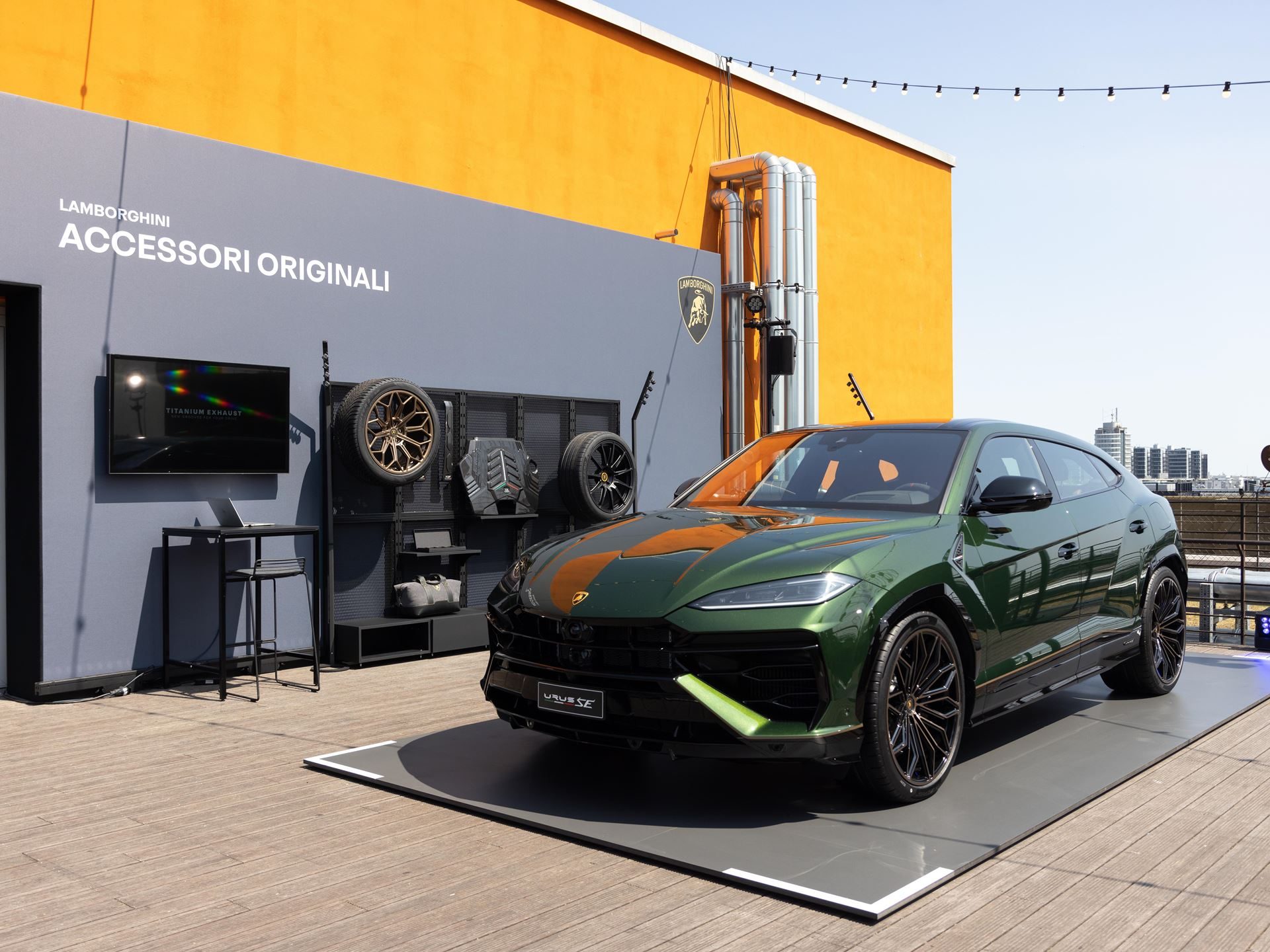
The lifestyle collaborations on display were remarkably broad. Sonus faber provided in-car audio demonstrations inside the Temerario. Akrapovic displayed a titanium exhaust system co-developed with Lamborghini for the Urus SE. A Technics SL-1200M7B turntable, designed in collaboration with Automobili Lamborghini and finished in the brand’s signature hexagonal pattern, supplied the evening’s soundtrack. Additional partners ranged from Culti Milano fragrances and Dievole wines to Tateossian jewelry and Leica cameras.
The aftermarket and accessories side was equally detailed. Lamborghini presented 23-inch Penteo rims in shiny black, 22-inch Auriga bronze rims, and carbon-fiber engine bay covers for the Urus SE and T-covers for the Revuelto. For owners already speccing their cars through Ad Personam, a Revuelto finished in Blu Fontus demonstrated the personalization program’s range.

Why Germany Gets This Treatment
Lamborghini confirmed that Germany received 1,000 vehicles in 2024, making it the brand’s top European market and its second largest globally. Only the United States sits higher. That volume, for a company that delivered just over 10,600 cars worldwide last year, gives Germany outsized influence on product planning and brand investment.
Hosting a dedicated annual event in the country, now in its second year, signals that Lamborghini views Germany not just as a sales region but as a relationship market where direct engagement with customers and partners justifies senior executive presence and significant production resources. The choice of Munich puts Lamborghini in the backyard of BMW and within easy reach of Porsche and Mercedes-AMG buyers who represent both the competition and the conquest opportunity.
Lamborghini has not announced whether the format will expand to other European markets or remain a Germany-specific tradition. What the Munich event does confirm is that the brand sees value in gathering its full electrified lineup, its heritage, and its lifestyle ecosystem under one roof for the audience that buys the most cars on the continent.

Gallery