The Temerario in the Wild: Lamborghini Parks Its Hybrid Supercar in Gaming Territory
Lamborghini’s official press release for DreamHack Atlanta 2026 describes the cars on display as Temerario models, calling them “the benchmark in high-performance hybrid super sports cars.” The WLTP data appended to the release is specific: energy consumption of 6.4 to 4.3 kWh/100 km combined with 11.2 to 10.3 l/100 km of fuel, and CO2 emissions of 272 to 252 g/km. Those are the numbers that travel with the Temerario wherever it goes, and at DreamHack Atlanta they traveled into a convention hall full of gamers.
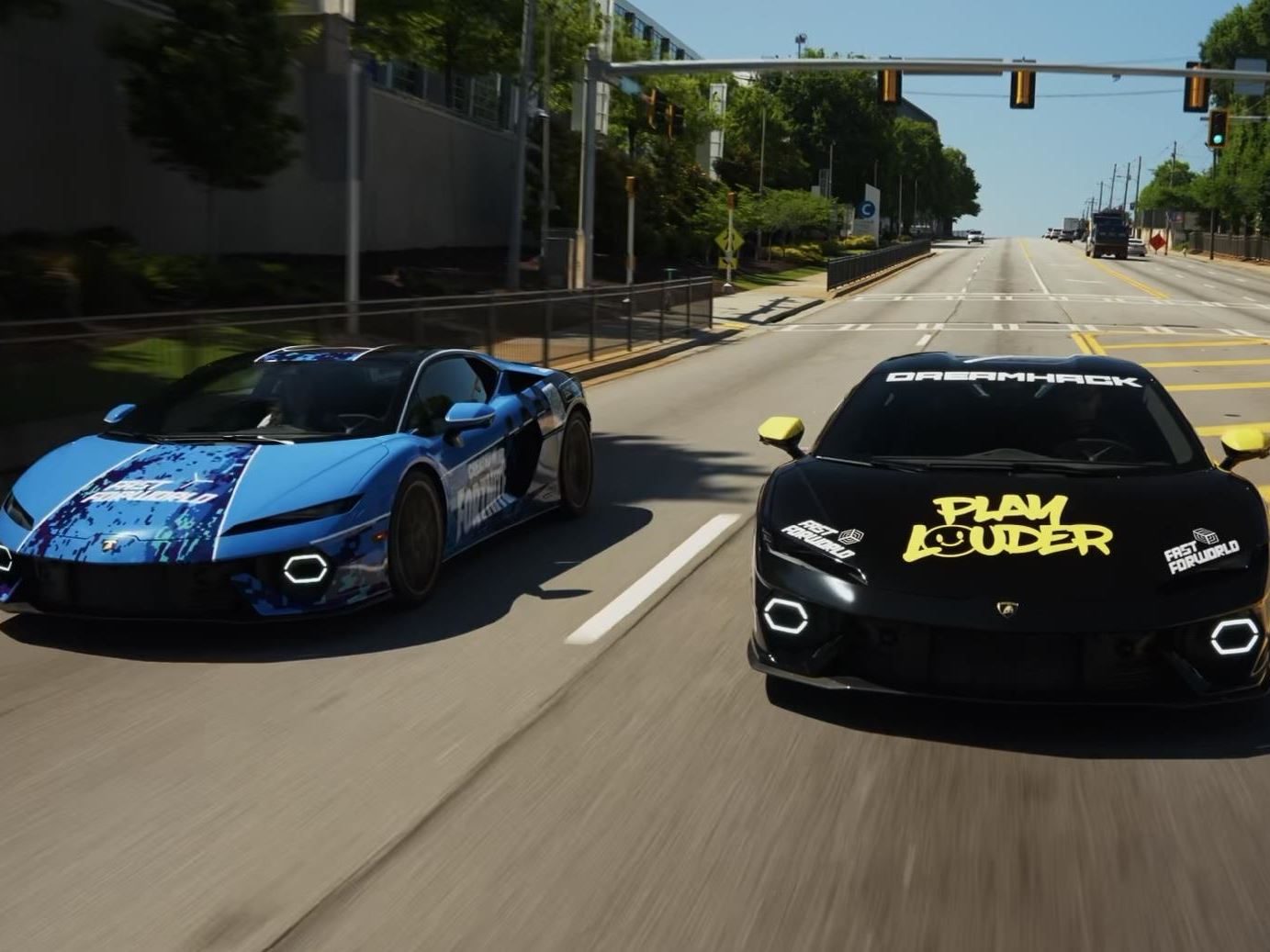
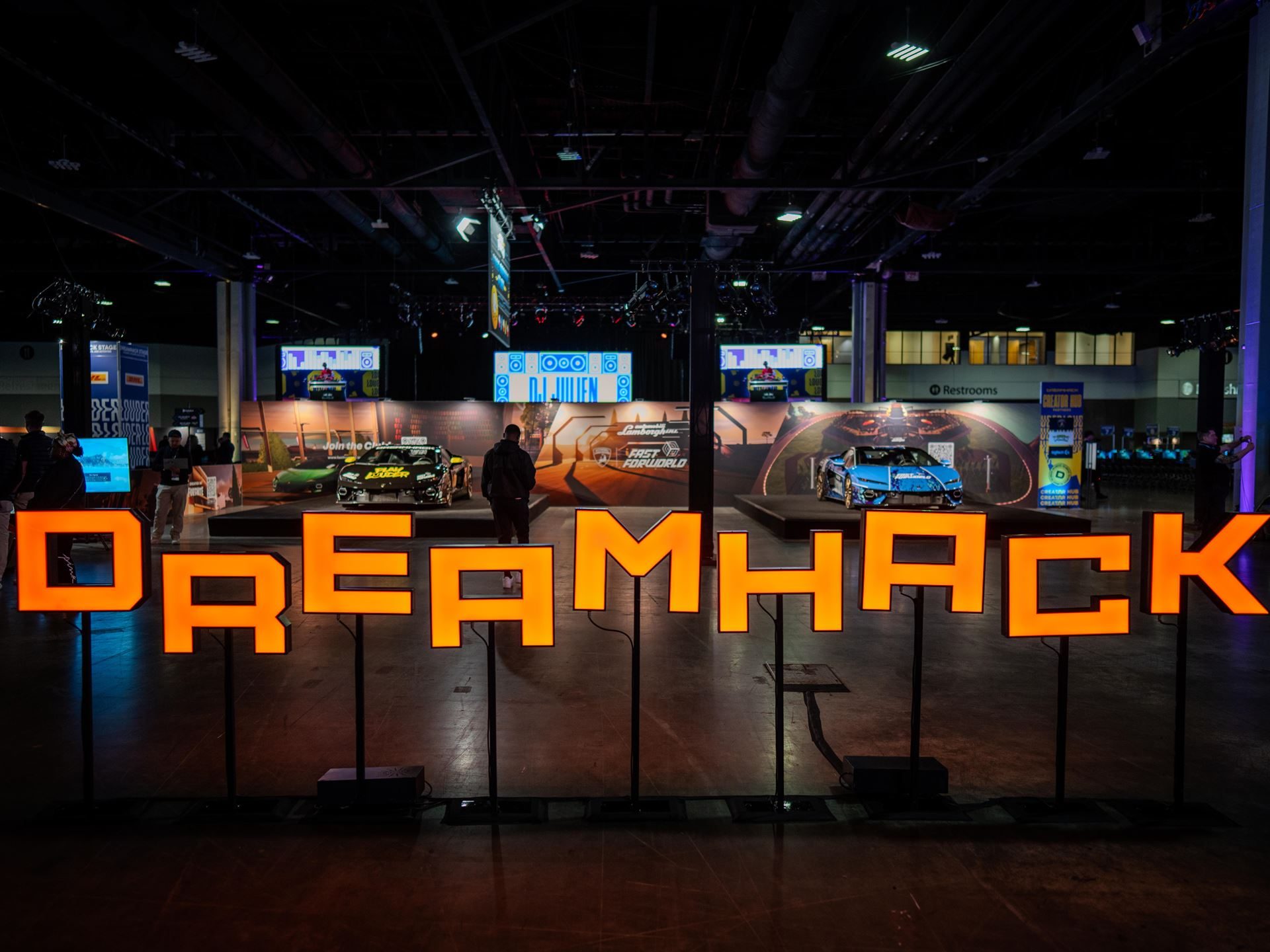
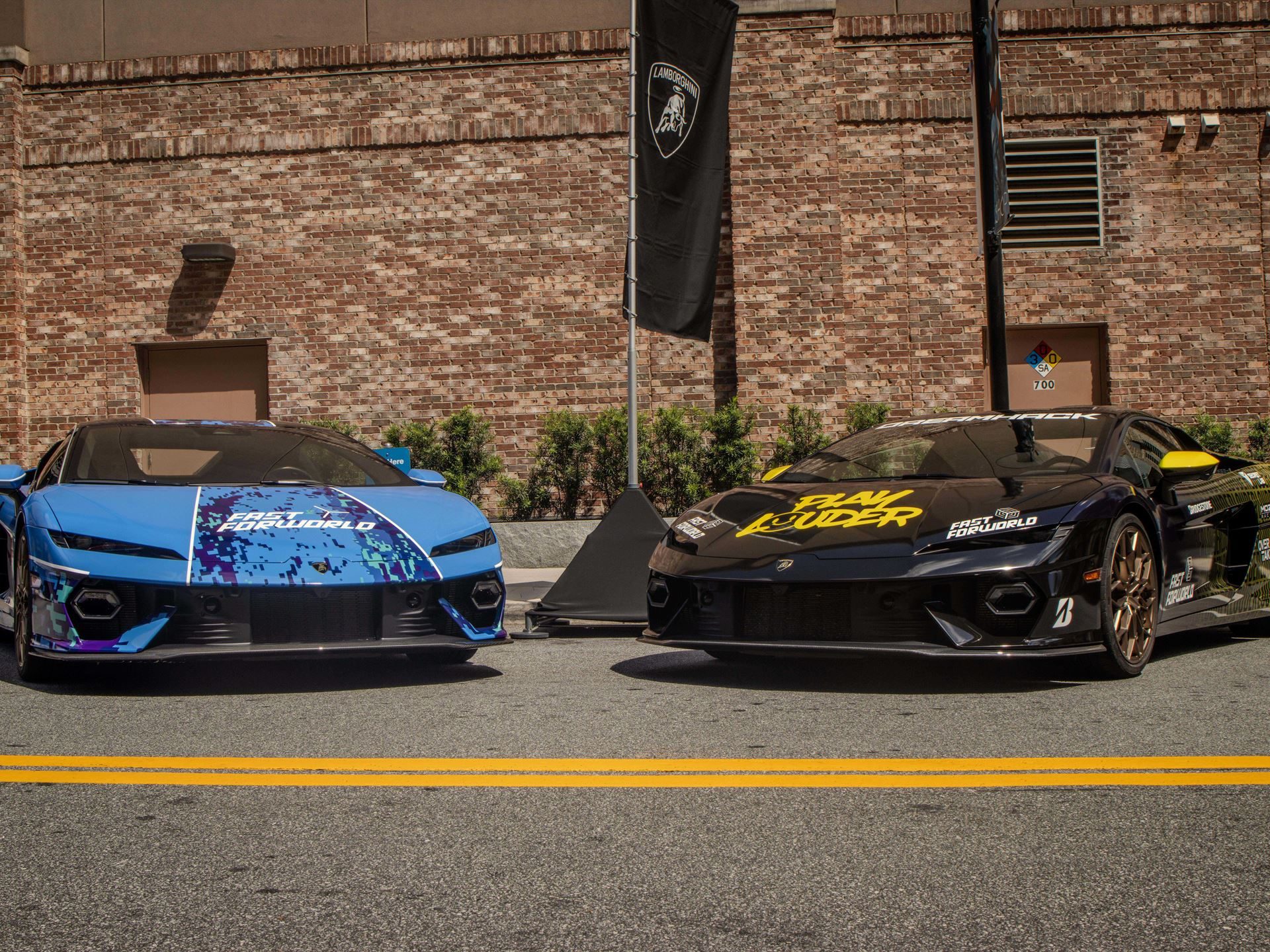
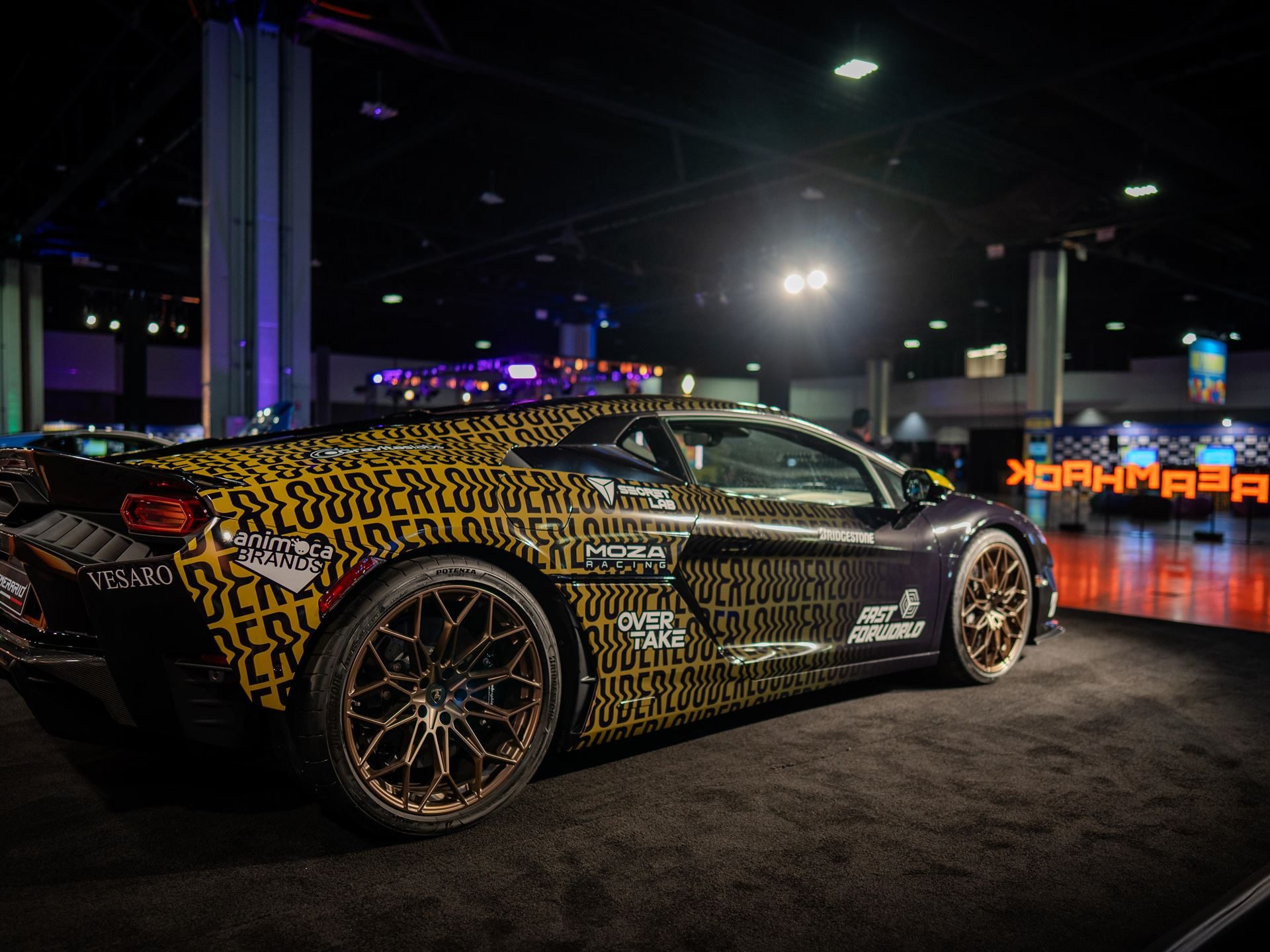
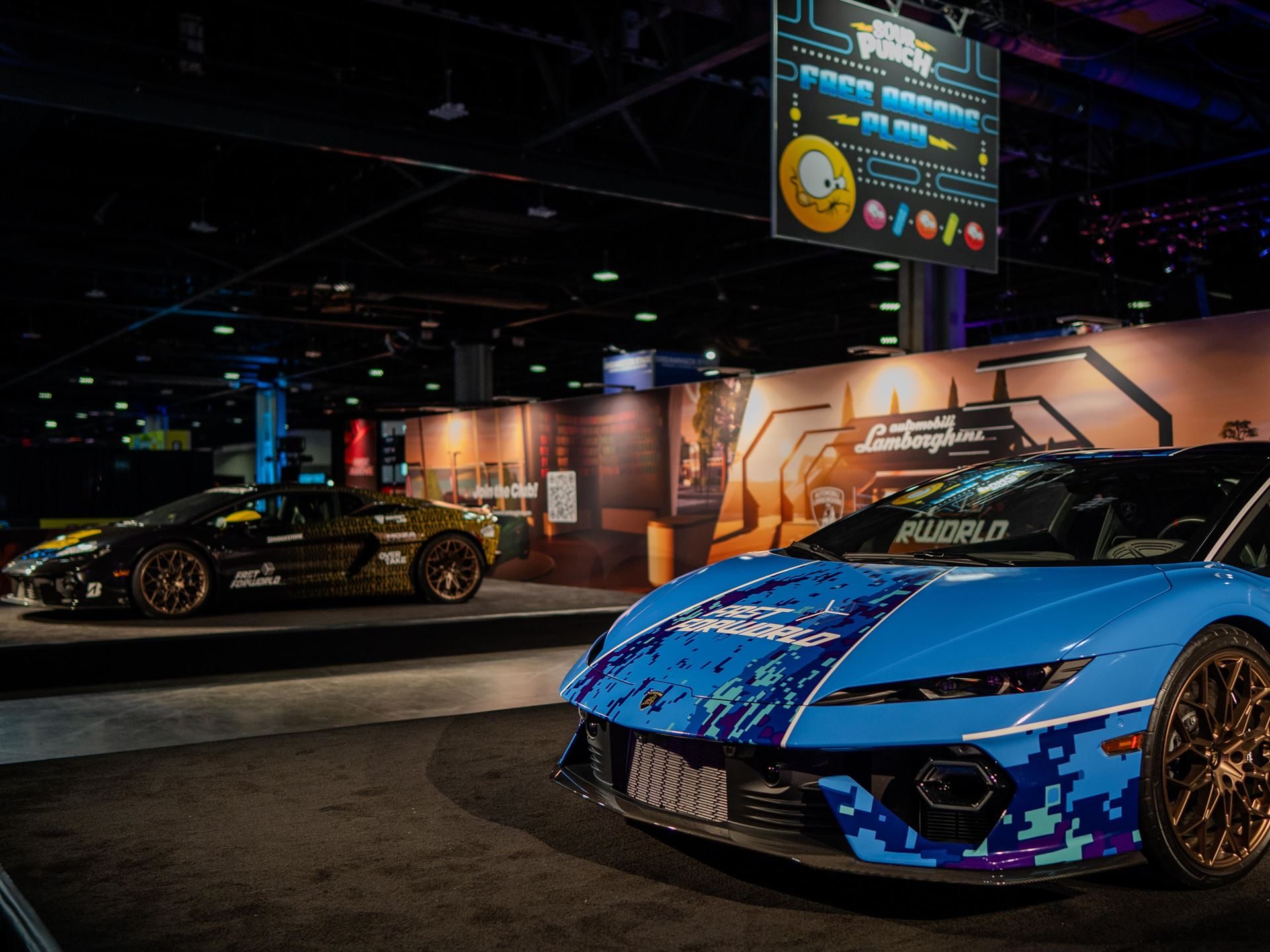
This was Lamborghini’s third appearance at DreamHack — the world’s leading gaming lifestyle festival — following stops in Dallas in May 2025 and Stockholm. Atlanta represented a step up in commitment: for this edition, Lamborghini joined as Main Automotive Partner, the sole automotive brand on the floor. Two Temerarios, wearing special liveries inspired by Fortnite and Fast ForWorld, were the physical centerpiece of that partnership.
That hybrid architecture is what the WLTP figures reflect: the car’s efficiency changes depending on how much charge is in the battery when you start driving. For a gaming audience accustomed to sorting vehicles by stat sheets, the Temerario’s numbers are a conversation starter. For Lamborghini, parking two of them in Atlanta was a statement about where the brand’s current product focus sits.

Lamborghini’s Digital Playbook: Why Gaming Matters for the Brand
Christian Mastro, Lamborghini’s Marketing Director, framed the logic plainly in the brand’s official communications: gaming, digital culture, and Web3 technologies are strategic territories for Lamborghini to express a forward-looking vision and engage with new generations. The brand is betting that the teenager playing a Lamborghini-branded Fortnite island in Atlanta today will remember the name when they can afford the car.
That long game mirrors a pattern already visible across Lamborghini’s broader marketing efforts, which build brand equity by putting hardware in front of audiences who may never visit a dealership. The DreamHack play applies the same principle to a different venue. Instead of grandstands, the audience sits in gaming chairs. Instead of a track car, the draw is two Temerarios with Fortnite-inspired wraps and a playable branded game island set up alongside them.
Giorgio Sanna is named within Lamborghini’s verified organisational structure.
Mastro’s quote captures the ambition: “Through platforms such as DreamHack, we move beyond the traditional boundaries of the sector, bringing our distinctive DNA into digital and immersive environments. Being the sole automotive partner of this globally recognised event marks a further step in our journey within the digital world.” The language is polished, but the underlying logic is straightforward. Lamborghini is a dream for many and a reality for few — and gaming festivals are one of the few places where the dream can be made tangible for an audience that has never sat in a showroom.

Fast ForWorld and Fortnite: Bridging the Physical and Virtual
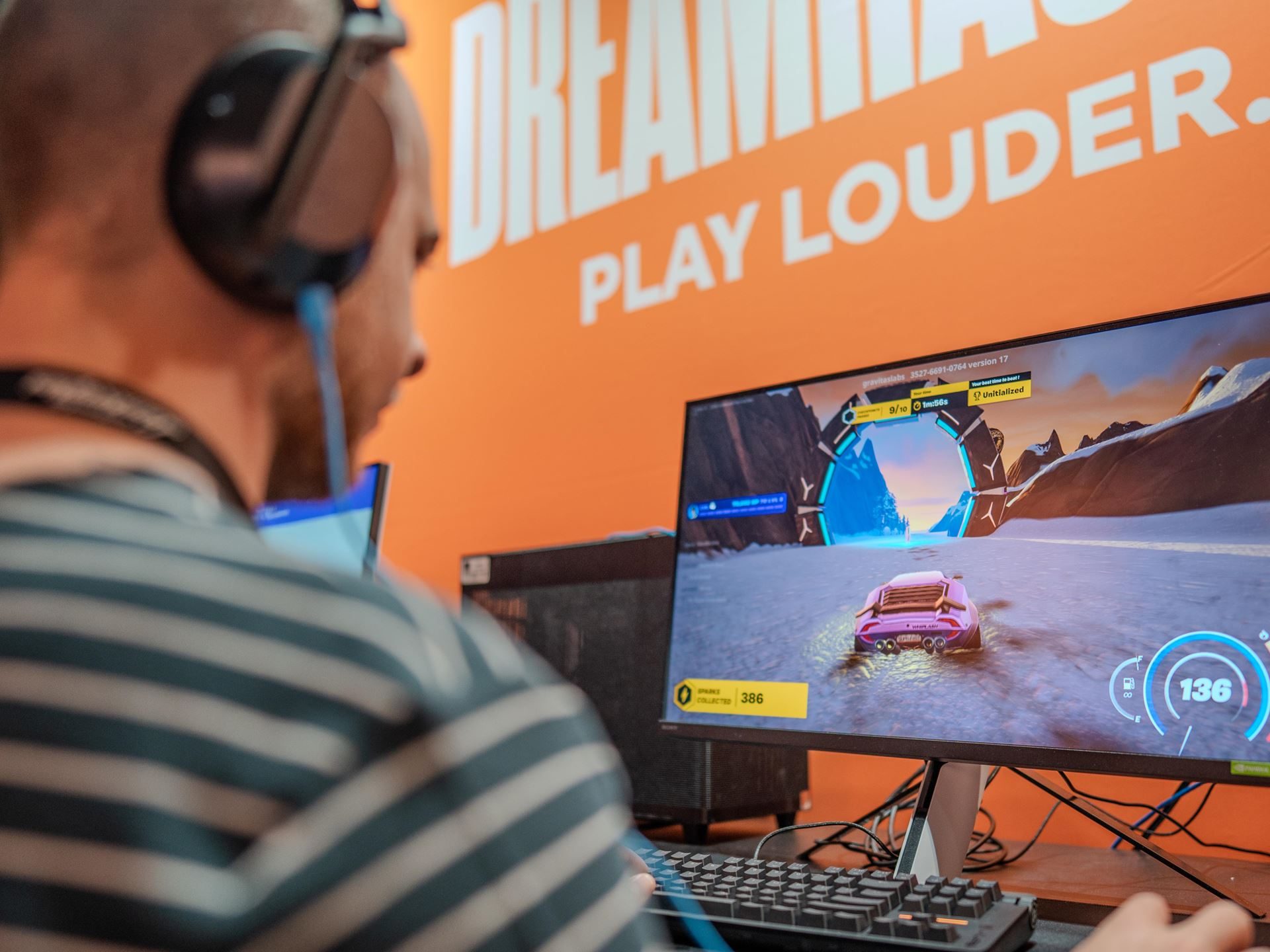
Lamborghini’s Atlanta activation ran in two phases. Before the festival opened, the two Temerarios were placed in iconic city locations across Atlanta, wearing their special Fortnite and Fast ForWorld liveries. Tablets set up alongside the cars let passersby play a dedicated Lamborghini-themed Fortnite island, with gameplay offering chances to win DreamHack tickets. The brand describes this as combining physical presence, gaming, and direct interaction — transforming the Temerarios into experiential hubs and creating an initial touchpoint between the brand, the gaming community, and the wider urban audience.
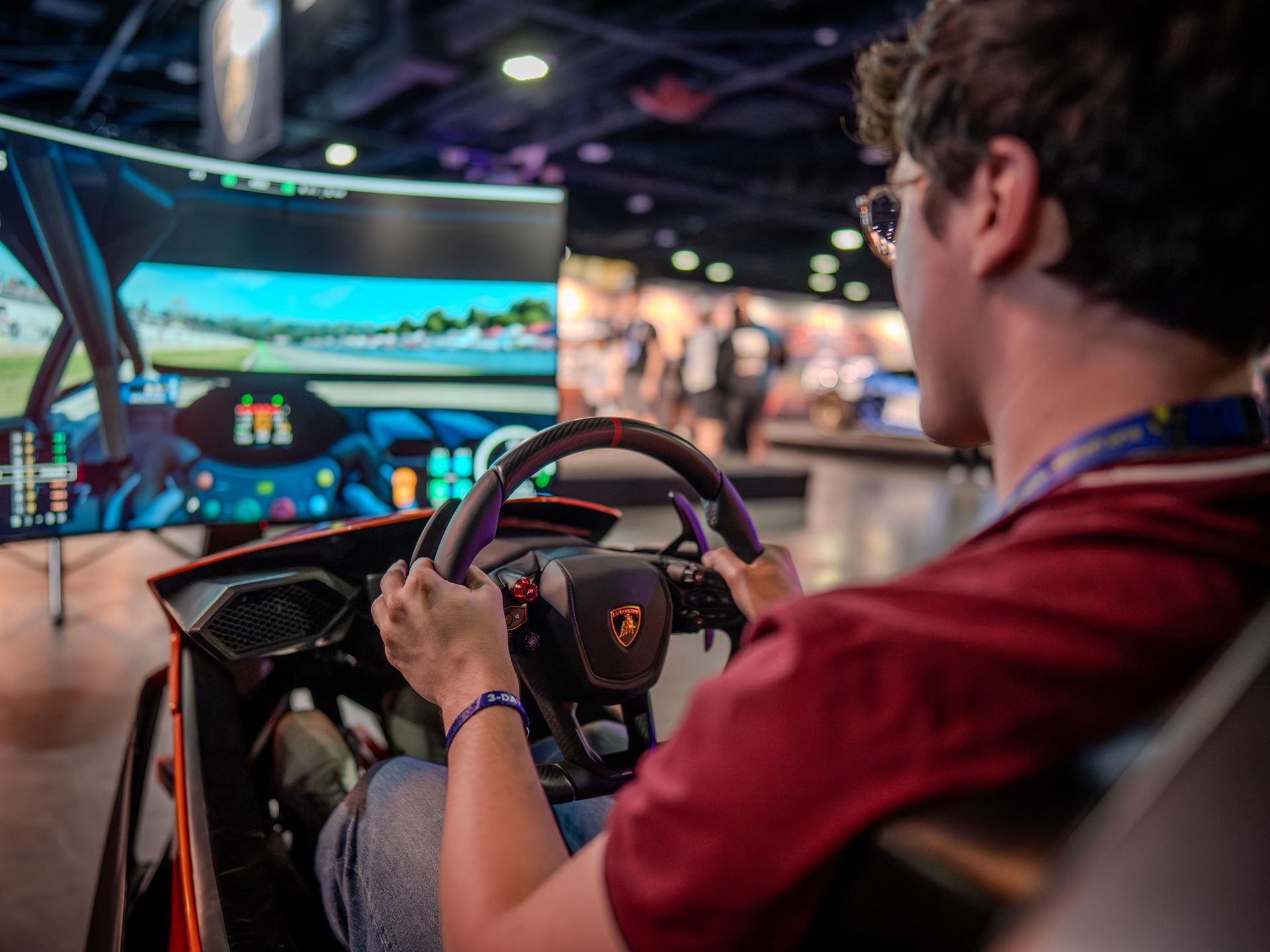
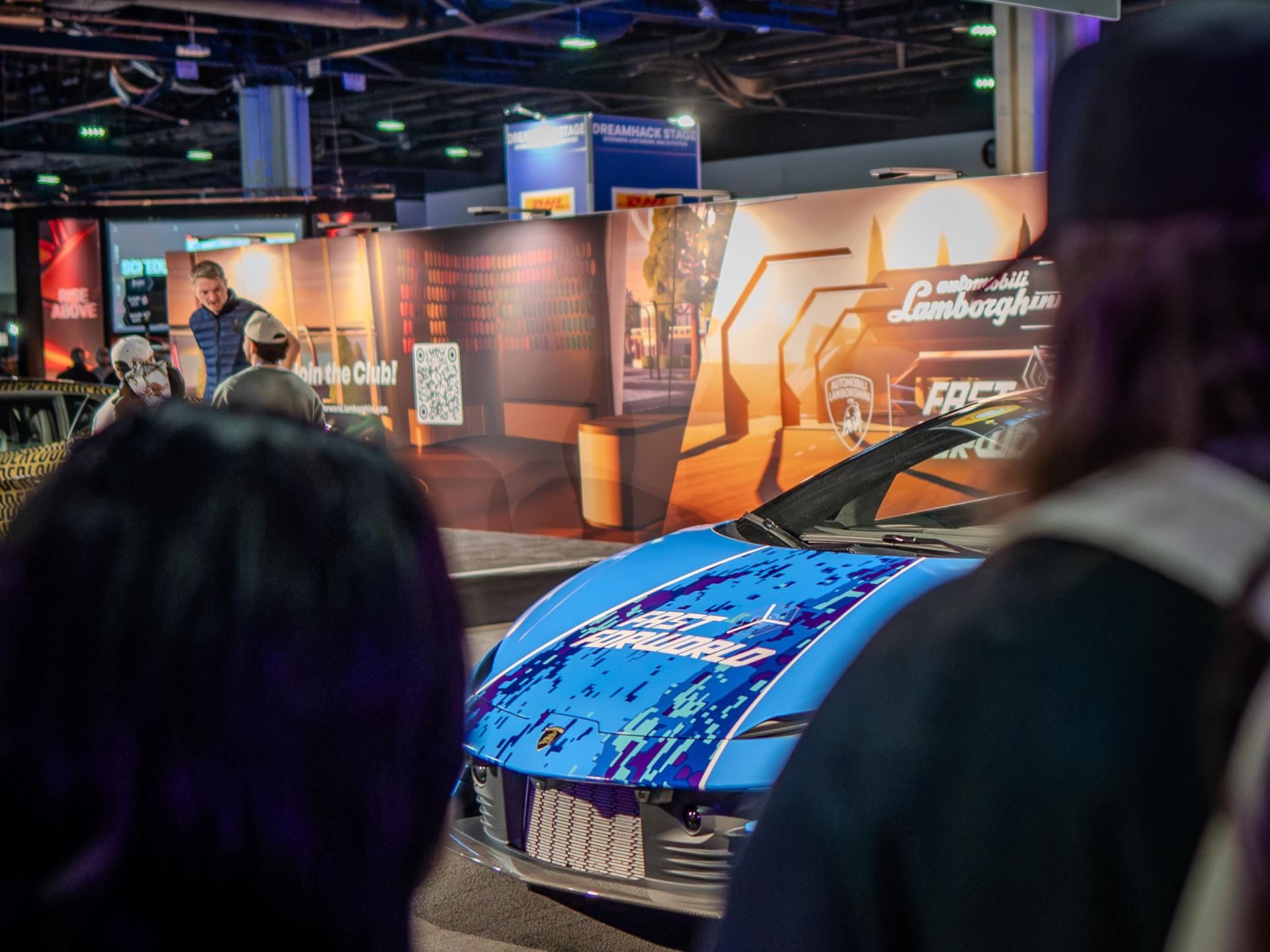
Once the festival opened, the same two cars moved inside. Located at the heart of DreamHack, the Lamborghini area welcomed thousands of visitors. The Temerarios were central to numerous photo opportunities, their custom liveries doing the visual work that a static display car usually cannot. Alongside them, Lamborghini set up professional driving simulators, including what the brand describes as an exclusive Vesaro x Automobili Lamborghini rig — a purpose-built simulator setup carrying both the Vesaro hardware brand and Lamborghini’s own identity. The hardware on offer went well beyond what most attendees own at home.
A separate area promoted Fast ForWorld, described in Lamborghini’s communications as the brand’s official virtual universe for gaming, interactive entertainment, and digital culture. The press release does not specify whether Fast ForWorld includes structured gameplay, persistent progression, or community features — it remains one of the less-defined elements of Lamborghini’s digital strategy. What is clear is that the brand is treating it as a long-term platform rather than a one-off stunt, given its appearance across multiple DreamHack editions. For readers tracking Lamborghini’s digital investments, Fast ForWorld is worth watching as the brand fills in the details.

What the Activation Actually Communicates
Lamborghini displayed two Temerarios at DreamHack Atlanta, and the choice of car communicates something specific. Choosing the Temerario, a high-performance hybrid supercar, signals that Lamborghini wants gaming audiences to associate the brand with its most aspirational current hardware, not its most accessible one. For a crowd accustomed to sorting vehicles by performance figures, that is a deliberate hierarchy.
The custom wraps applied for DreamHack reinforce the message. Liveries inspired by Fortnite and Fast ForWorld are not the kind of graphics a brand applies to a car it is treating as a footnote. They are a commitment — the cars become part of the visual language of the event rather than objects parked at its edge.
The multi-year arc of Lamborghini’s DreamHack presence — Dallas, Stockholm, Atlanta — also matters. A single appearance at a gaming festival can be dismissed as a marketing experiment. Mastro’s framing of esports, Web3 technologies, and innovative experiences as ongoing tools rather than one-off tactics supports that reading.
For buyers already in the Lamborghini pipeline, the DreamHack presence changes nothing about delivery timelines or specification options. The activation is aimed at a longer horizon — the generation currently winning DreamHack tickets through a Fortnite island, not the one currently configuring a Temerario. Whether that spend generates returns in five years or fifteen, the brand is clearly willing to commit to the timeline.

The Hybrid Era Arrives at the Gaming Festival
There is something worth pausing on in the specific choice of the Temerario as the vehicle for this activation. The Temerario is the car Lamborghini chose to put in front of thousands of DreamHack attendees, and the brand’s own communications position it as the in high-performance hybrid super sports cars.
Showing that car at a gaming festival, wrapped in Fortnite graphics, is Lamborghini’s way of saying the hybrid era does not mean the brand got conservative. That claim only lands if the audience believes the performance is real. Putting the physical car in front of thousands of people, letting them photograph it, sit near it, and race a virtual version of it on a simulator, is how Lamborghini makes that claim feel credible to an audience that has never visited Sant’Agata Bolognese.
The DreamHack Atlanta activation, taken as a whole, is a rehearsal for a future in which Lamborghini’s customer base is younger, more digitally native, and more likely to have formed their first impression of the brand through a screen than through a motor show. The wraps, the simulators, the Fortnite island, and the Fast ForWorld space are the context Lamborghini built around that introduction. The question the brand now faces is whether the substance behind the strategy — the cars, the technology, the digital platforms — will develop as quickly as the ambition driving it.
Gallery