From Bolognese Cobblestones to Vallelunga: How Lamborghini Staged the Revuelto’s Italian Debut
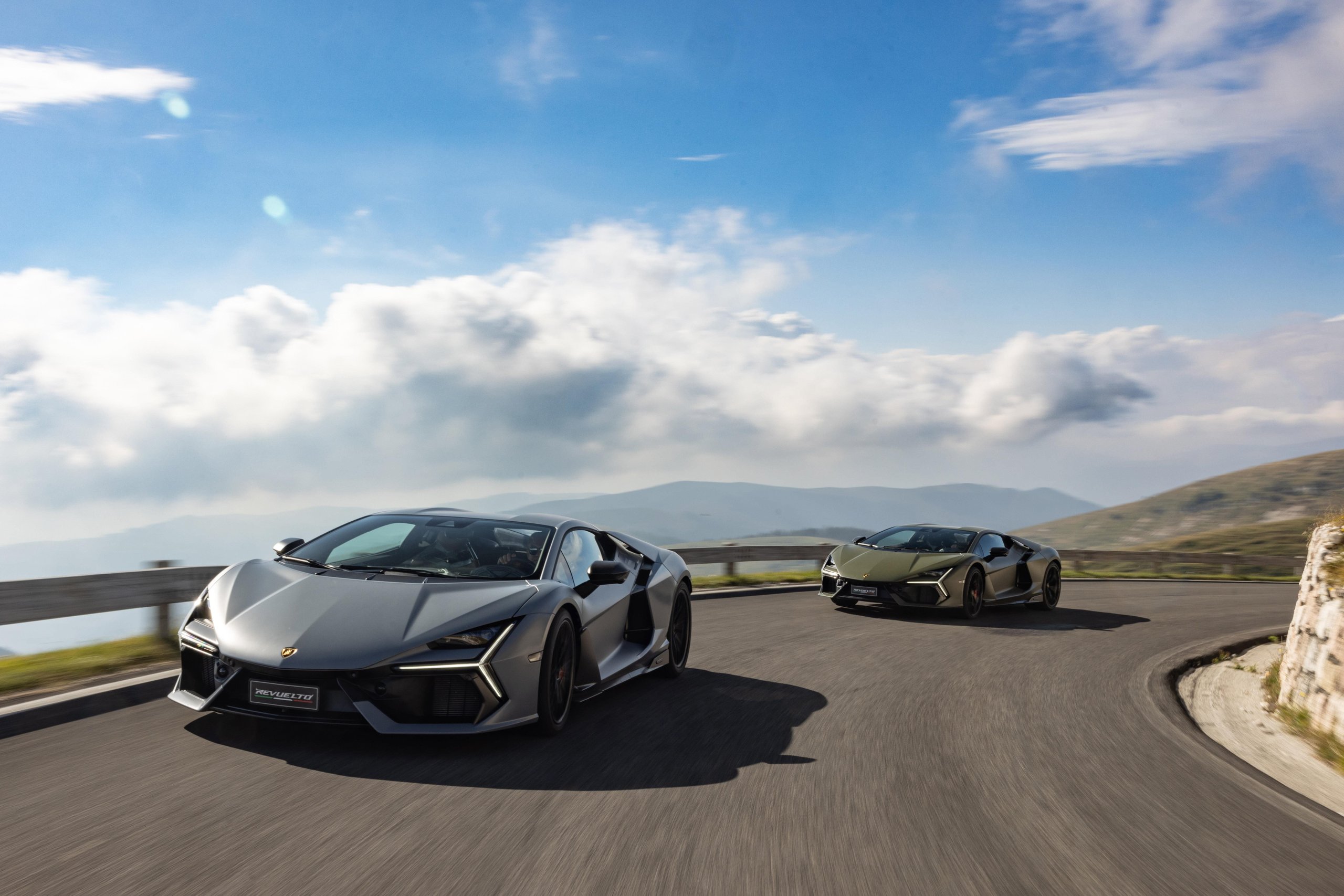
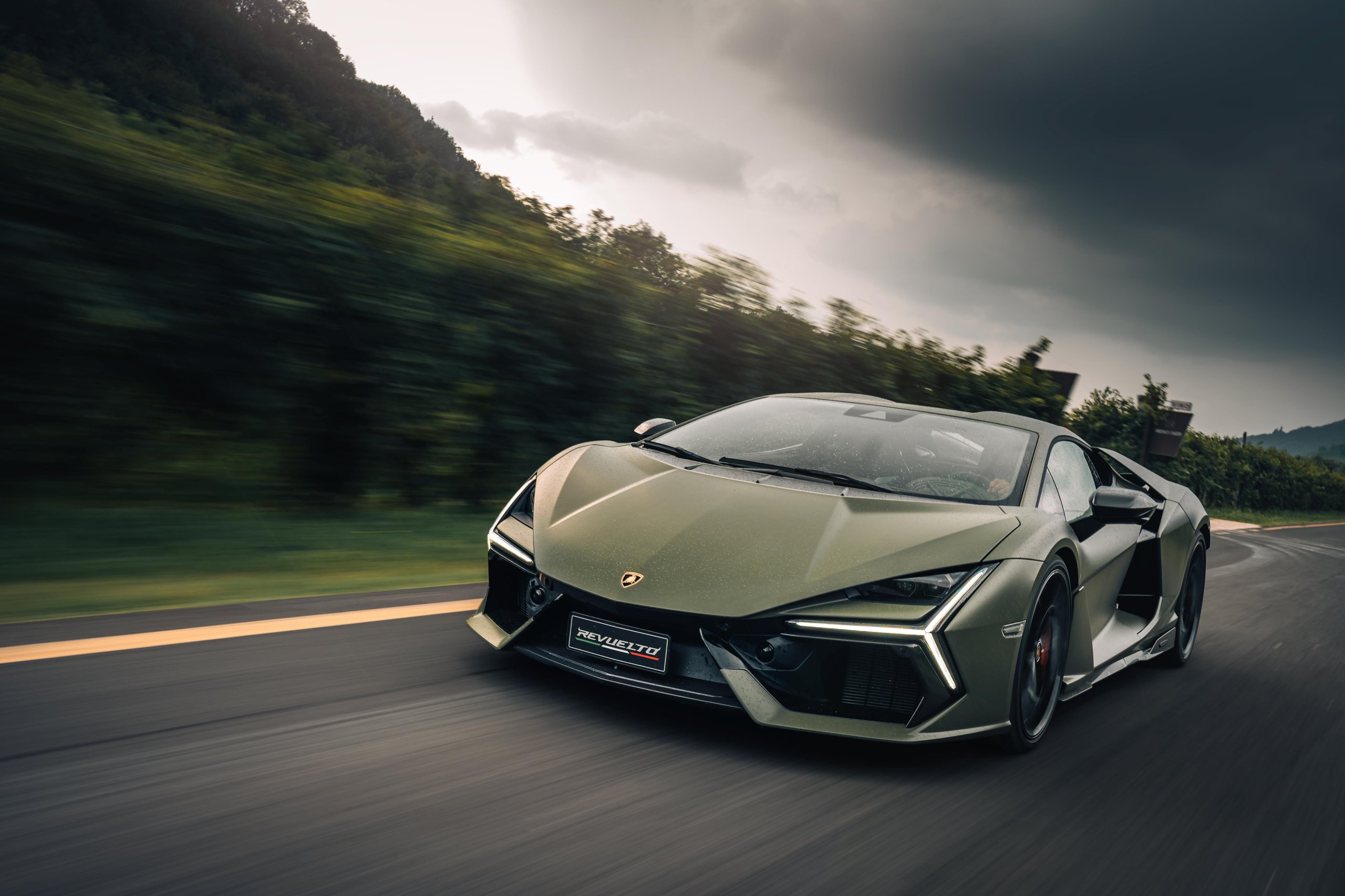
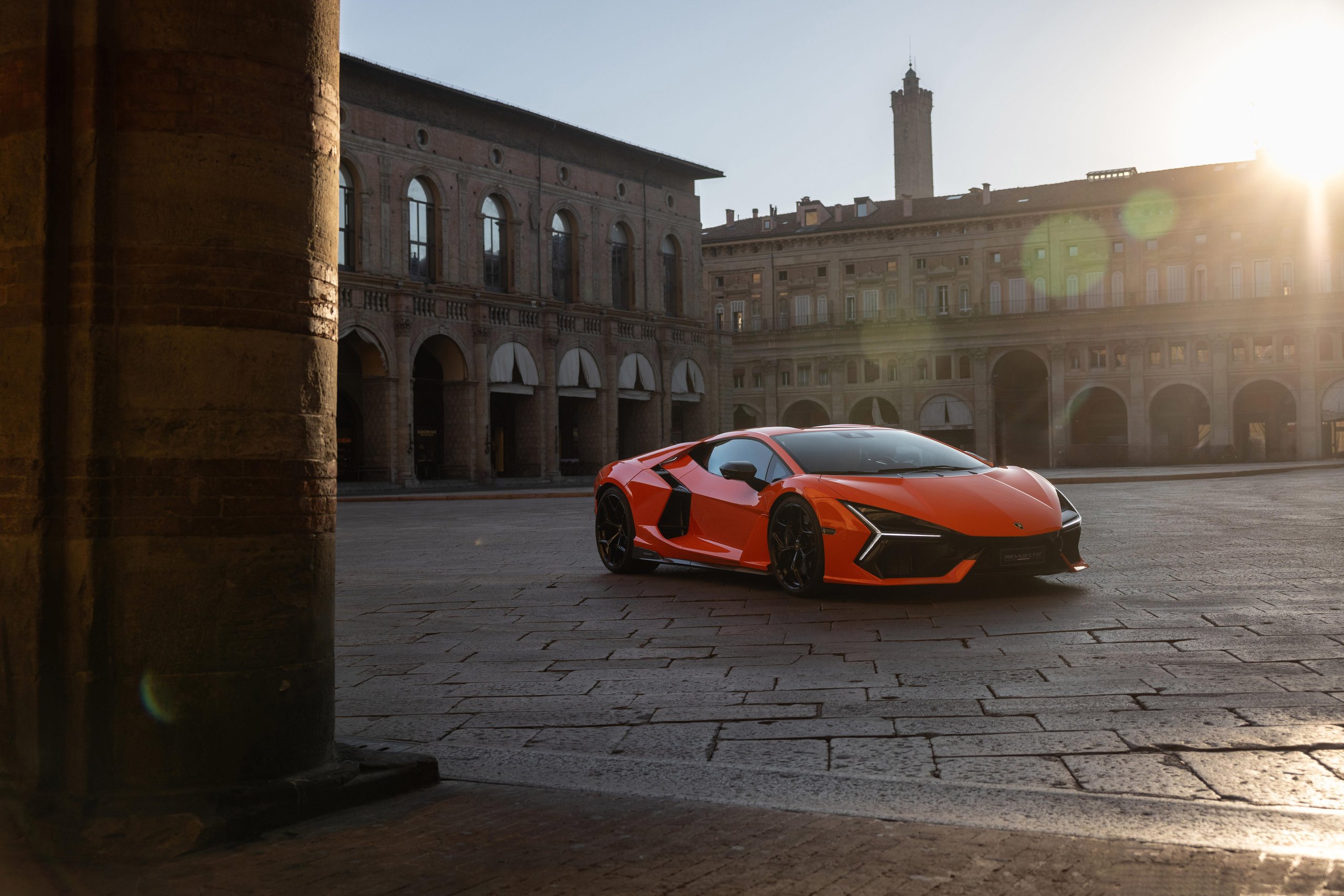
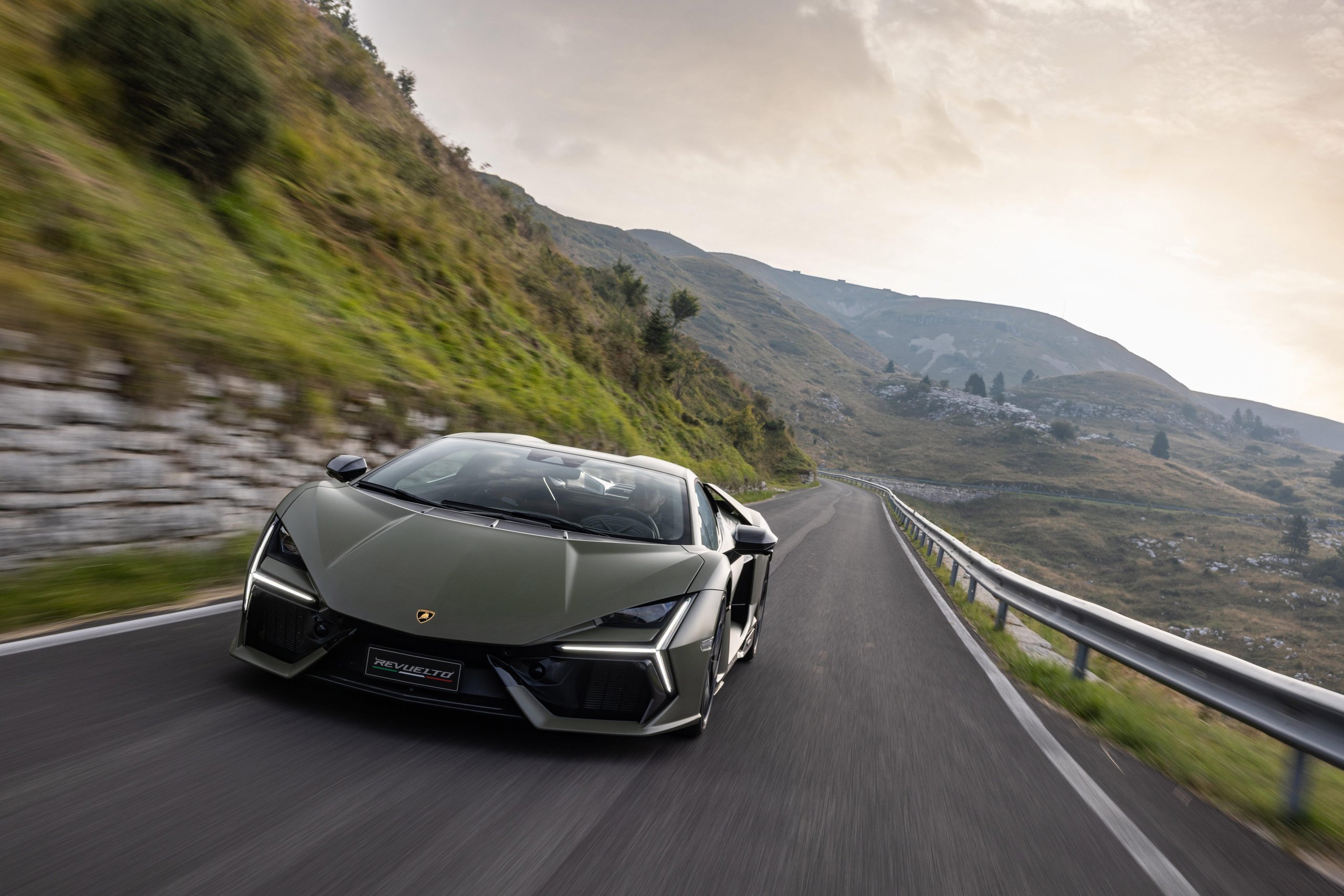
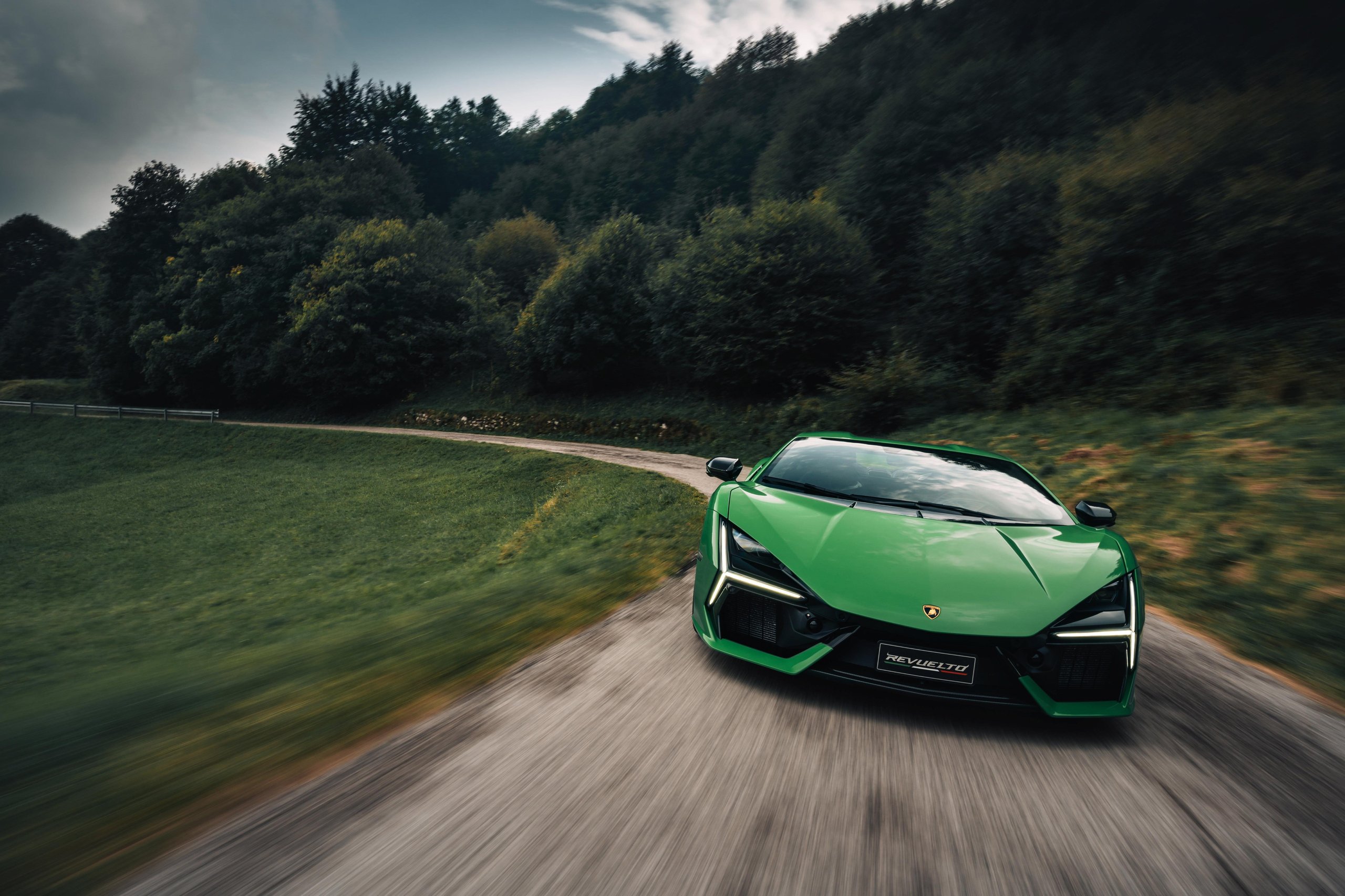
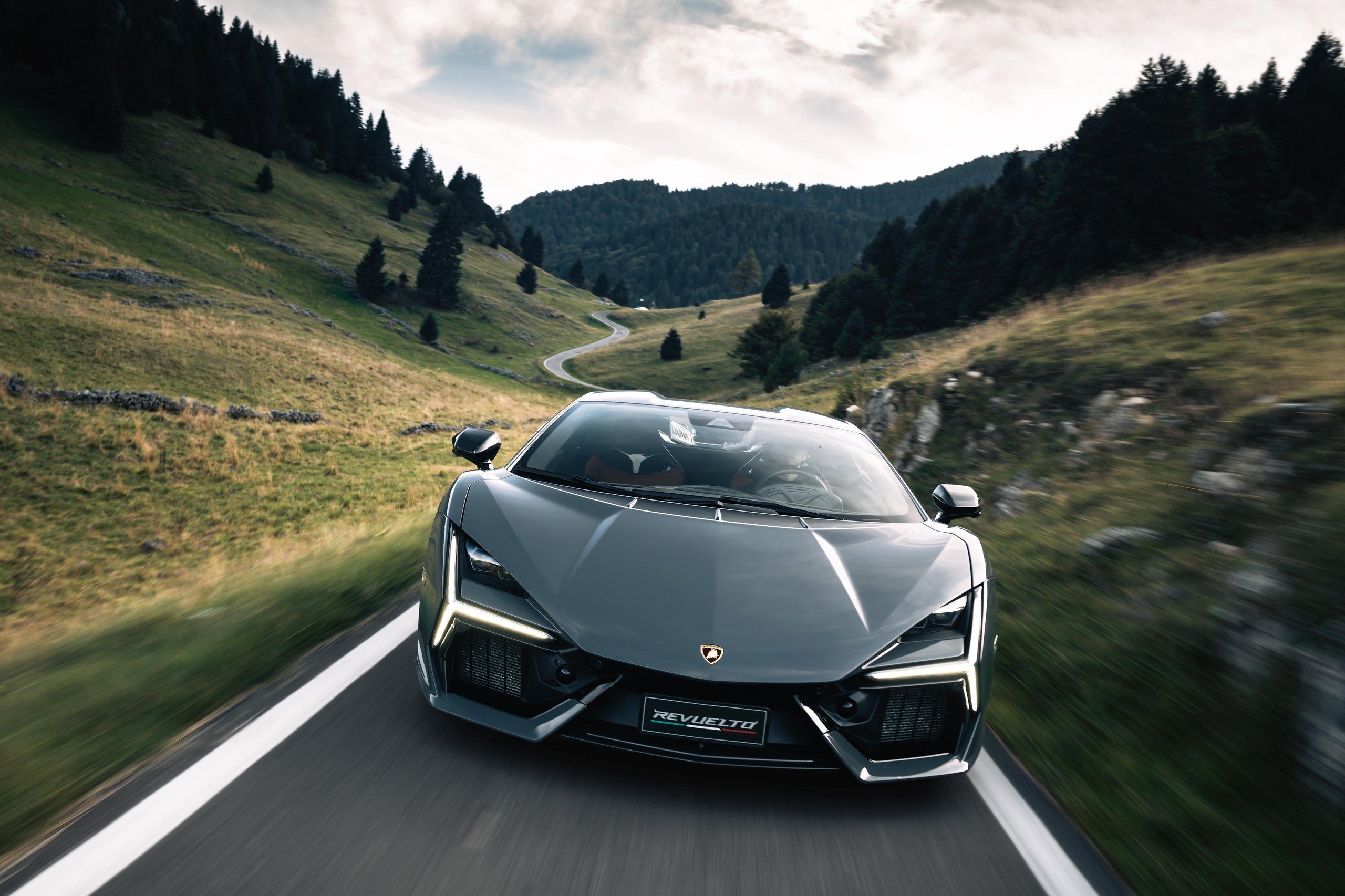
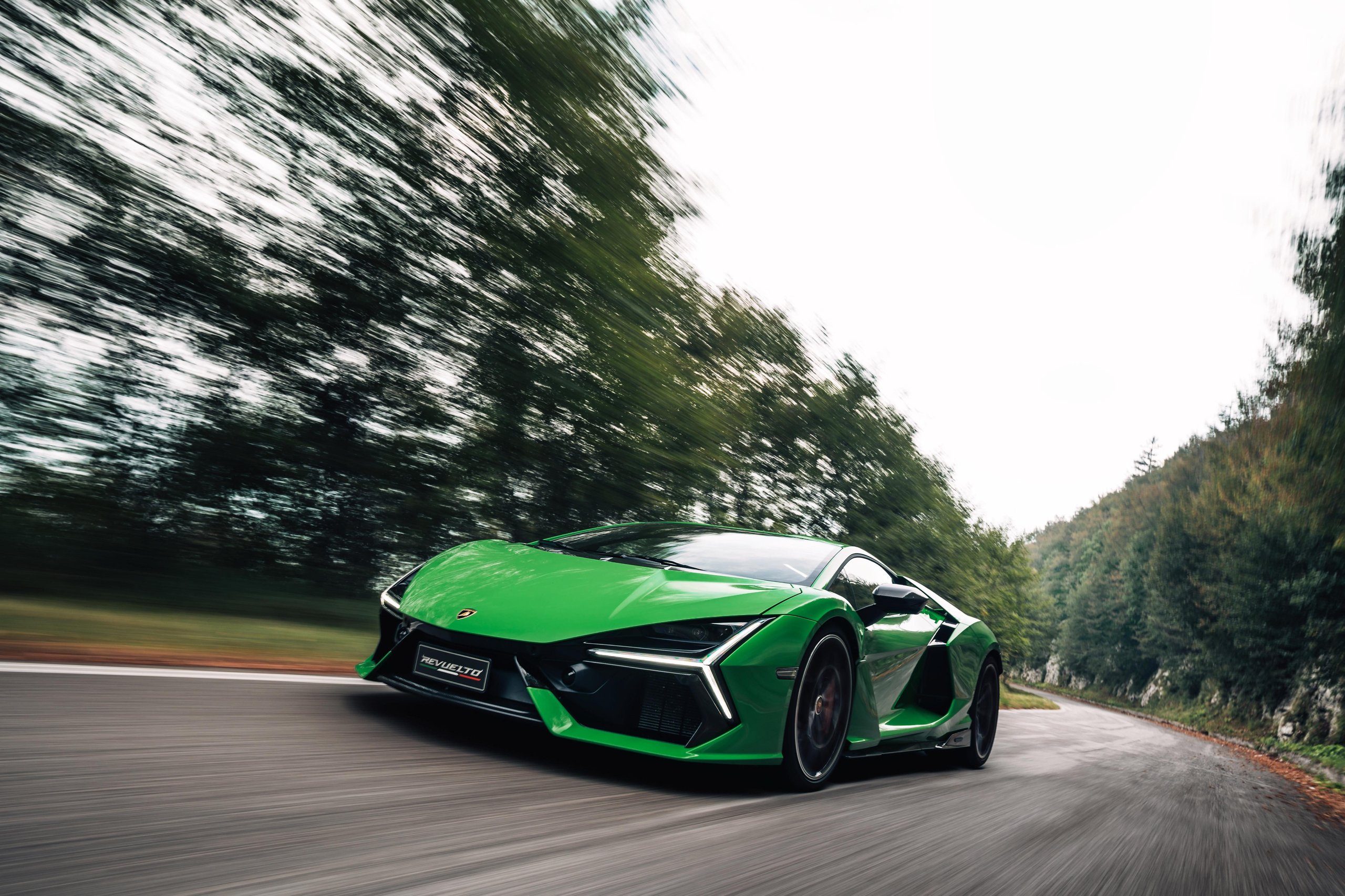
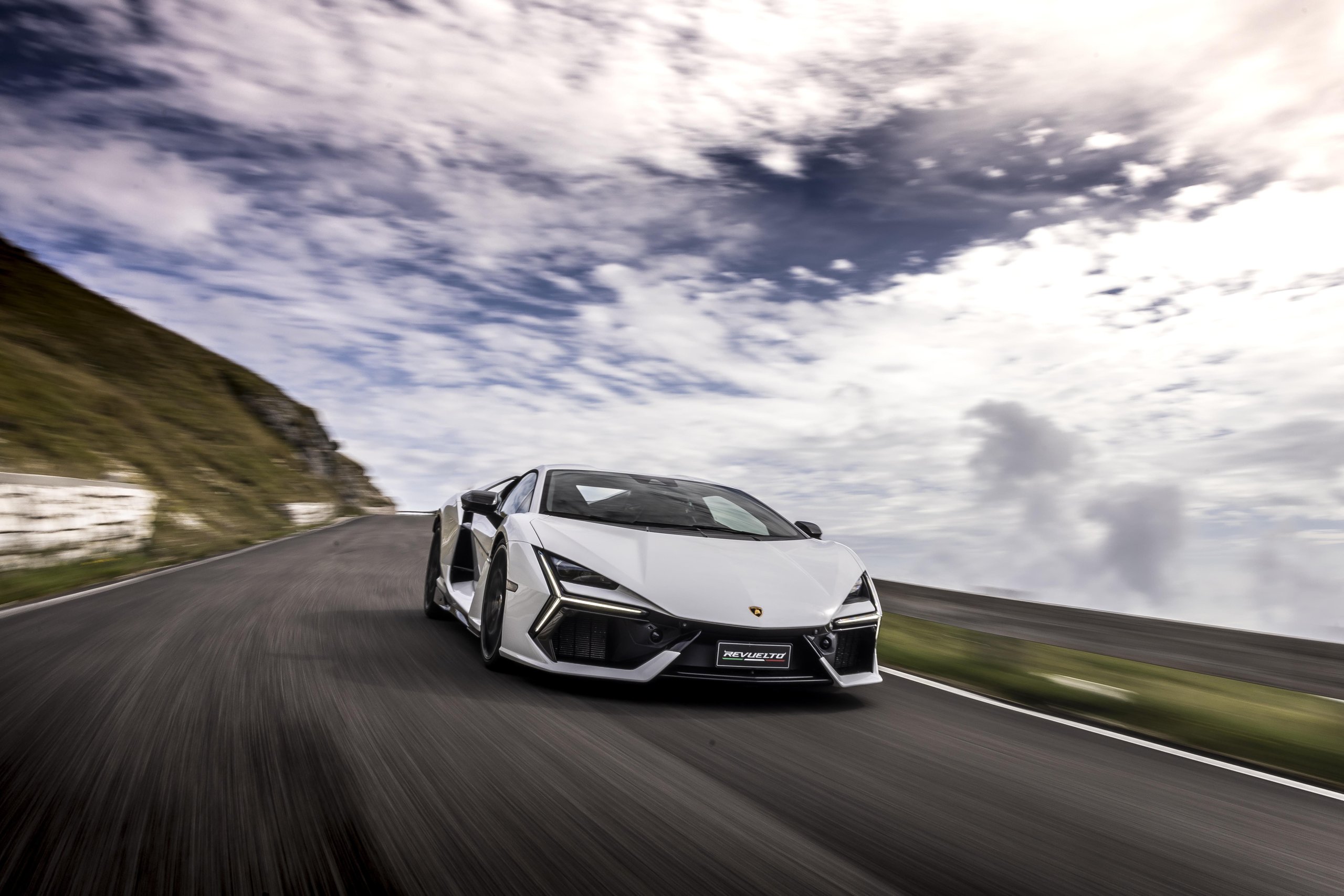
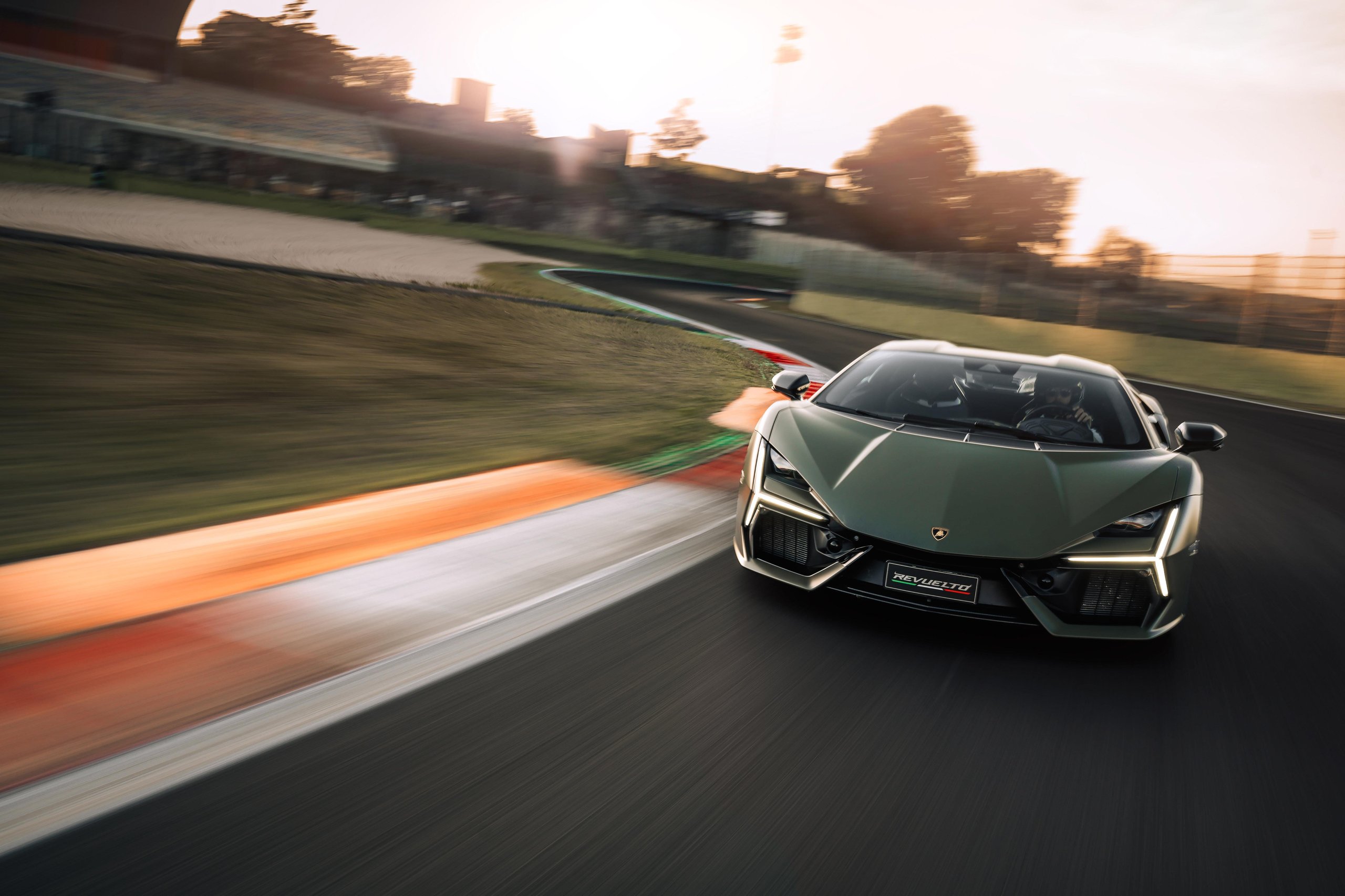
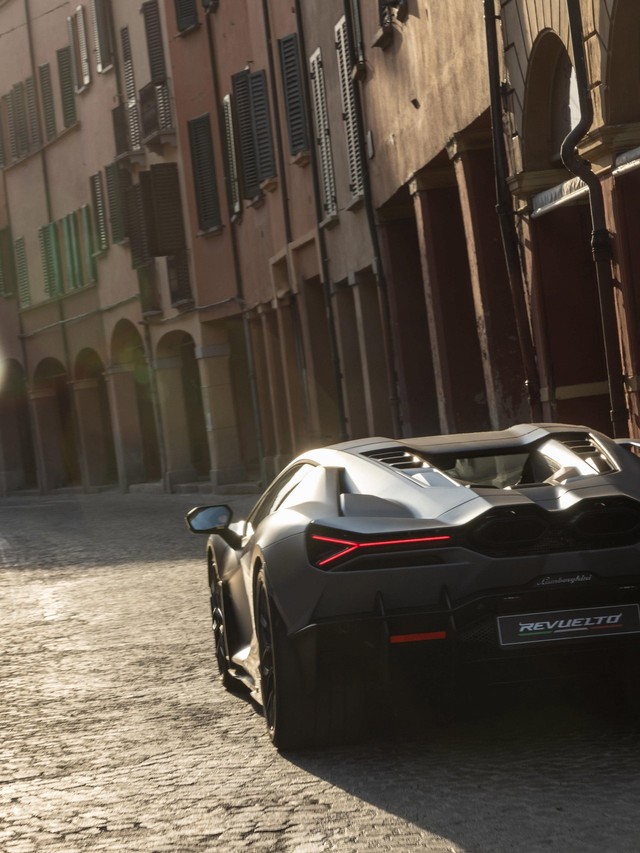
Lamborghini introduced the Revuelto not with a static reveal on a turntable, but with a choreographed convoy across some of Italy’s most demanding terrain. The route began on the cobblestone streets of Bologna’s historic center, where the car crept through narrow passages in fully electric mode, then climbed into the Prosecco hills of Valdobbiadene before threading the switchbacks of Monte Grappa. The journey concluded at the Piero Taruffi Vallelunga circuit outside Rome, where the V12 could finally scream at full tilt.
Each leg isolated a specific capability: silent urban running, composed grand touring on undulating back roads, dynamic agility on mountain passes, and raw circuit performance. A convoy finished in what Lamborghini described as its most representative colors and trims reinforced the message that this car occupies every corner of the supercar experience.
For a company navigating the most significant powertrain transition in its history, the choice to let the car speak through Italian landscapes rather than PowerPoint slides reveals genuine confidence. Lamborghini is betting that the Revuelto’s hybrid architecture enhances the flagship experience rather than compromising it, and the best way to make that argument is to put the car on roads where any weakness would be immediately obvious.

The Lamborghini Revuelto gracefully navigates a charming cobblestone street, blending modern power with timeless elegance.
Why Lamborghini Kept the Naturally Aspirated V12 and Added Three Electric Motors
The Revuelto’s powertrain architecture is the clearest statement Lamborghini could make about electrification. Rather than downsizing to a turbocharged V8 or V6, Lamborghini preserved its 6.5-liter naturally aspirated V12 and wrapped three permanent magnet electric motors around it. The V12 alone generates 814 hp at 9,250 rpm. The three motors contribute a combined 187 hp and 248 lb-ft of torque. Total system output reaches 1,001 hp and 783 lb-ft. Lamborghini says the Revuelto reaches 100 km/h in 2.5 seconds and exceeds 350 km/h.
The electric motors fill torque gaps at low rpm and enable capabilities the combustion engine cannot provide on its own, including electric torque vectoring across the front axle and four-wheel drive in fully electric mode. The battery, a 3.8 kWh lithium-ion pack using high specific power pouch cells, is deliberately small. It exists to feed instant torque during acceleration, enable silent low-speed driving, and power the torque vectoring system. The Revuelto’s hybrid system is a performance multiplier, not an efficiency device.
The 8-speed Graziano dual-clutch transmission replacing the Aventador’s single-clutch unit deserves attention of its own. Multiple owners and reviewers describe the DCT as a transformative improvement, making the car dramatically more livable in traffic and more precise on track. The Revuelto’s transmission removes that penalty entirely, reinforcing the thesis that electrification and modern engineering amplify rather than dilute the V12 experience.

The powerful V12 engine of the Lamborghini Revuelto is a masterpiece of engineering and design.
What the Revuelto Signals About Lamborghini’s Identity Beyond 2030
The Revuelto is the direct successor to the Aventador, but it also functions as a declaration of intent. Lamborghini is telling the market that electrification and the naturally aspirated V12 are not mutually exclusive. In an era when most competitors reach for turbochargers to meet emissions targets, the decision to keep the V12 breathing freely and use electric motors as supplements rather than replacements is a calculated bet on brand identity.
Production began in 2023, and the car arrived as a 2024 model year vehicle. Orders reportedly covered production slots through at least 2026 before the car was publicly revealed in March 2023, with nationwide dealer inventory sitting at zero according to available reporting. Buyers who could choose any supercar on the market are choosing the one that kept the V12.
The Fenomeno, a limited-production variant recently confirmed by Car and Driver, squeezes nine additional horsepower from the V12, making it the most powerful V12 Lamborghini says it has ever produced. That kind of incremental engineering on a platform already pushing four-digit combined output suggests Lamborghini intends to mine the Revuelto architecture for years of special editions and track-focused derivatives, extracting every last measure of performance from the naturally aspirated formula before regulations force a different path.

The Lamborghini Revuelto, in a striking dark green, rests on a scenic road overlooking a charming Italian village and vineyards.
Electric Torque Vectoring and the Engineering That Actually Changes How the Car Drives
Headline horsepower sells magazine covers. What changes the ownership experience is how those specs translate to behavior on a wet mountain road at seven-tenths, and electric torque vectoring is arguably the Revuelto’s most consequential engineering feature.
The Revuelto’s front motors can apply or withdraw torque to each wheel independently, before the tire loses grip, based on steering angle, yaw rate, and throttle input. The result is a car that rotates more willingly into corners and stabilizes itself on exit. Four-wheel drive in fully electric mode means the car can creep through a parking garage silently with genuine traction on all four wheels.
Lamborghini built the Revuelto around a carbon-fiber tub that increases carbon-fiber content compared with the Aventador. According to Car and Driver, the front subframe is entirely forged carbon fiber rather than aluminum, saving weight where it matters most for front-end response.
Bridgestone developed bespoke Potenza Sport tires for the Revuelto, with 265/35 ZR20 rubber on the front axle and 345/30 ZR21 Potenza Sport (tubeless) on the rear. Bridgestone also created custom Blizzak LM005 winter tires for the car, quietly confirming Lamborghini expects owners to drive the Revuelto year-round. That practical consideration aligns with the broader message of the Italian first-drive route: this car is meant to be used, in every season, on every surface.

The white Lamborghini Revuelto rests on the pit lane, ready for action against the backdrop of the track.
How the Revuelto Competes Against Ferrari’s SF90 and McLaren’s Artura
The competitive landscape for hybrid supercars above $500,000 is narrow but intense. Ferrari’s SF90 Stradale pairs a twin-turbocharged V8 with three electric motors, producing 986 hp. McLaren’s Artura uses a twin-turbo V6 with a single electric motor for 671 hp. Both chose turbocharging. Lamborghini’s decision to keep the V12 naturally aspirated creates a fundamentally different character.
Where the SF90 delivers power through a broad turbocharged torque curve, the Revuelto rewards drivers who chase the upper reaches of the tachometer. The V12’s power peak at 9,250 rpm means the engine sounds and feels progressively more urgent the harder you push it, a quality turbocharged engines inherently soften.
Car and Driver lists the 2026 Revuelto’s MSRP at $608,358 and awarded the car a 9.5 out of 10 rating. The real differentiator is philosophy: Lamborghini preserved the engine its buyers care about most and used electrification to make it faster, more capable, and more versatile. Ferrari and McLaren used electrification to compensate for smaller, turbocharged engines.
Owner sentiment leans positive on daily drivability. Multiple owners describe the dual-clutch transmission as a revelation compared to the Aventador, and the hybrid system’s ability to smooth low-speed driving draws consistent praise. The overall reception suggests Lamborghini delivered on its promise of a more usable flagship without sacrificing the drama that makes a V12 Lamborghini worth the premium.

The striking yellow Lamborghini Revuelto navigates a high-speed corner on the track, demonstrating its agility.
What Waiting Buyers and Current Owners Should Actually Take Away
If you are on the waiting list, the Revuelto’s first-drive event confirms what early reviews and owner reports already suggested: Lamborghini built a car that is genuinely more livable than the Aventador without losing the theatrical intensity that justifies the price. The DCT transforms the ownership experience for anyone who plans to drive in traffic, and the electric torque vectoring adds dynamic capability the Aventador’s mechanical system could not match.
The interior features a fighter jet-inspired cockpit with hexagonal motifs, a digital instrument cluster, carbon fiber trim, and the signature red flip-up guard over the engine start button. An optional Sonus faber audio system is available. Lamborghini’s Ad Personam customization program already produced multiple Opera Unica one-offs, including a hand-painted example inspired by Sardinian seascapes.
The practical reality for prospective buyers is that inventory does not exist. Production slots are spoken for through at least 2026, and pricing starts just above $600,000 before customization options. Contacting a dealer early is the only path to ownership. The car was designed by Mitja Borkert and assembled in Sant’Agata Bolognese.
One image from the event shows a “60 Anniversario” badge, a commemorative detail celebrating Lamborghini’s 60th anniversary that adds collectibility to early production examples. For a car already sold out years into the future, these touches reinforce the sense that the Revuelto occupies a specific moment in Lamborghini’s history: the point where the V12 proved it could coexist with electrification, and buyers lined up to validate that proof with their deposits.

The Revuelto's driver-focused cockpit features a multi-function steering wheel, digital displays, and luxurious red and black trim.
Gallery