A V8 That Revs Like a V10’s Successor Should
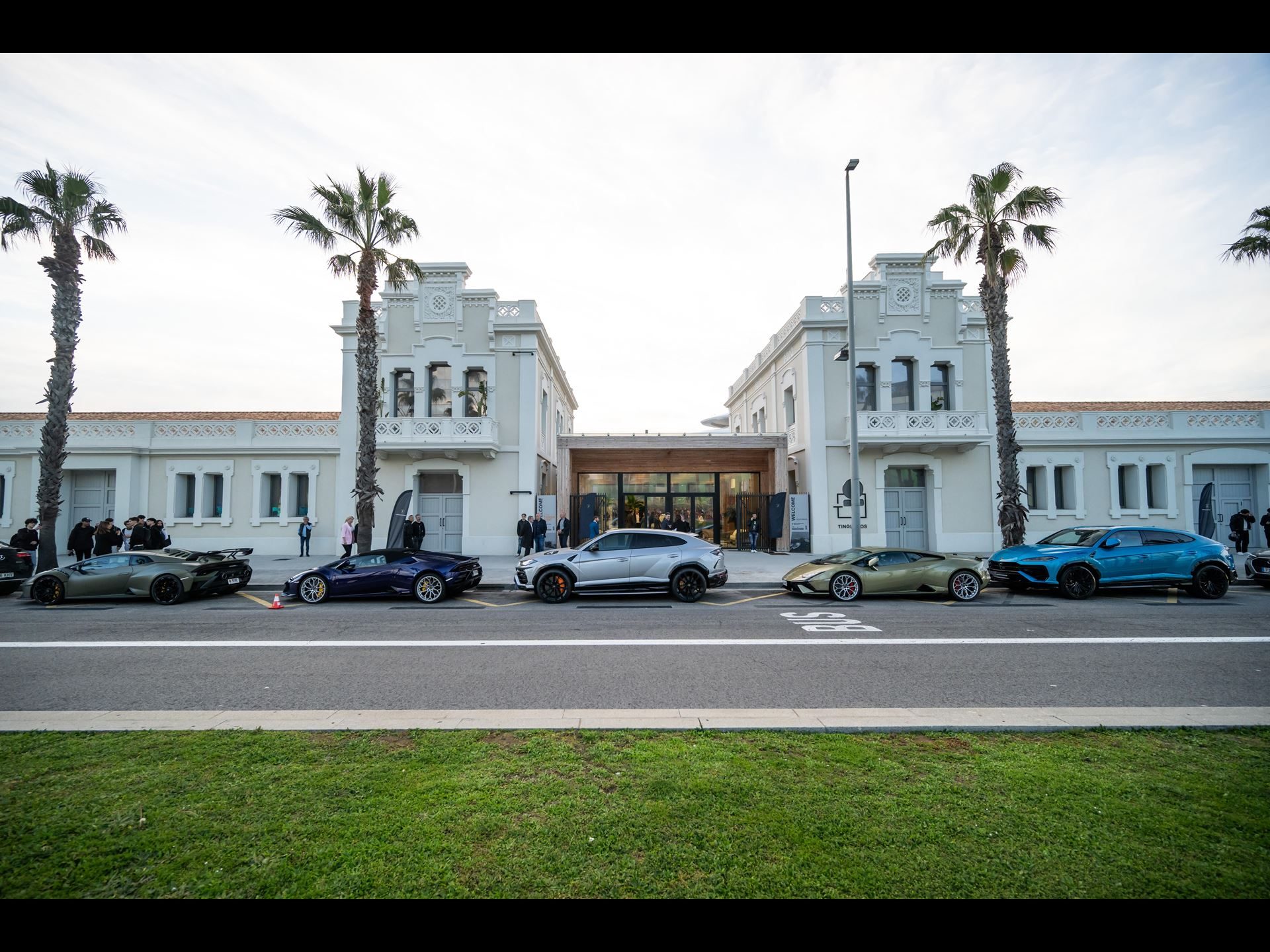
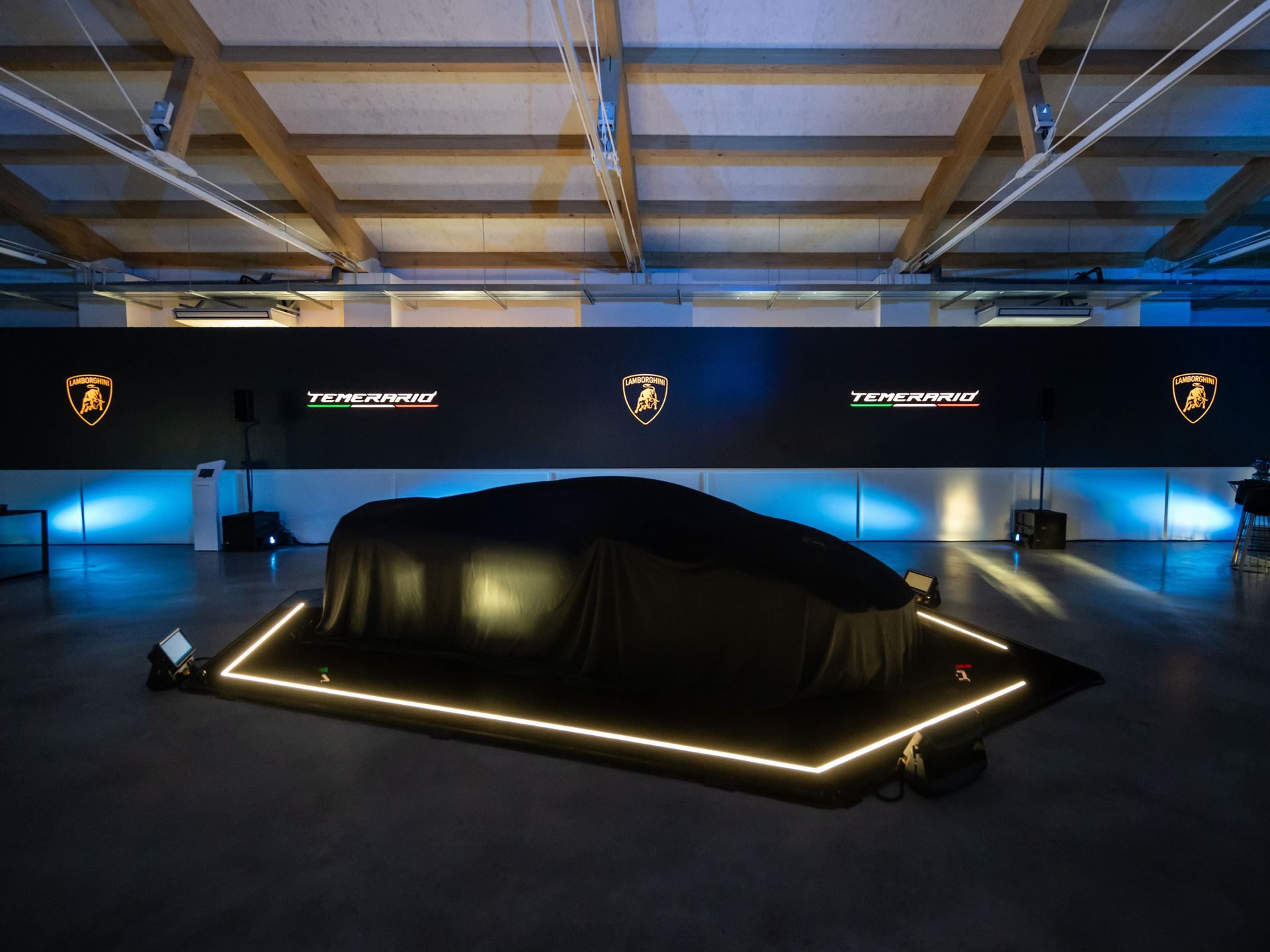
Lamborghini Barcelona presented the Temerario to over 160 clients and enthusiasts at the restored port sheds that hosted the 2024 America’s Cup, marking the car’s first appearance in Spain. The setting was polished, but the real story sits under the engine cover: a ground-up powertrain that abandons the Huracán’s naturally aspirated V10 for forced induction and electrification, yet refuses to surrender the high-revving character that defined its predecessor.
The twin-turbo 4.0-liter V8 alone delivers 800 horsepower, according to Lamborghini. Pair that with three electric motors and the total climbs to 920 CV (about 907 hp). Lamborghini quotes a 0-100 km/h sprint of 2.7 seconds and a top speed exceeding 340 km/h (roughly 211 mph). Those are manufacturer claims, not independently verified results, but they place the Temerario squarely in the upper tier of hybrid supercar performance. The car completes Lamborghini’s hybrid lineup, joining the Revuelto in what the company labels its HPEV (High Performance Electrified Vehicle) range.
Lamborghini describes its new V8 as the first and only production engine in a super sports car to reach 10,000 rpm. That claim deserves unpacking, because the number alone does not tell the full story. A turbocharged engine spinning to five figures is genuinely unusual. Turbochargers add heat and stress, and most forced-induction V8s in this segment top out well below 9,000 rpm. Reaching 10,000 rpm with boost requires specific engineering choices around bore-to-stroke ratios, valvetrain mass, and materials that can survive sustained high-speed rotation under pressure. Lamborghini says this engine was engineered and developed entirely in Sant’Agata Bolognese, signaling the company wanted full control over the architecture rather than adapting an existing Volkswagen Group unit.
Replacing the V10’s Soul With Revs, Not Just Power
For Huracán loyalists, the emotional question is straightforward: can a boosted V8 replace the visceral, linear scream of a naturally aspirated V10? Lamborghini is clearly betting that extreme revs will preserve the character its buyers expect. A turbocharged engine that breathes all the way to 10,000 rpm should deliver a powerband that feels more like a naturally aspirated motor than a typical turbo unit, with the surge arriving progressively rather than in a single mid-range wallop. Whether the exhaust note carries the same drama remains one of the biggest unanswered questions for prospective buyers, and Lamborghini’s official materials do not address it directly.
The three electric motors serve a complementary role in that equation. Combined with the V8, they push total output to 920 CV, but their deeper purpose is filling the torque gaps that turbocharging can introduce at low rpm. In a segment where Ferrari’s 296 GTB and McLaren’s Artura both use electrification to sharpen throttle response below the combustion engine’s power peak, Lamborghini’s approach follows a similar logic: use electrons to eliminate hesitation so the driver feels connected from idle to redline. The difference is that neither of those competitors claims a 10,000 rpm ceiling for its combustion engine.
Lamborghini positions the hybrid system as a performance multiplier rather than an efficiency exercise, and the company’s own HPEV branding reinforces that message. Fuel consumption and emissions data are still in the type-approval stage, so official efficiency figures do not yet exist. The primary source material does not specify battery capacity, electric-only range, charging capability, or the precise layout of the three motors. Those details matter for daily ownership, and buyers waiting for the Temerario should expect Lamborghini to fill in those blanks before sales open.

Design Language: Sharper, Lower, Built Around the Powertrain
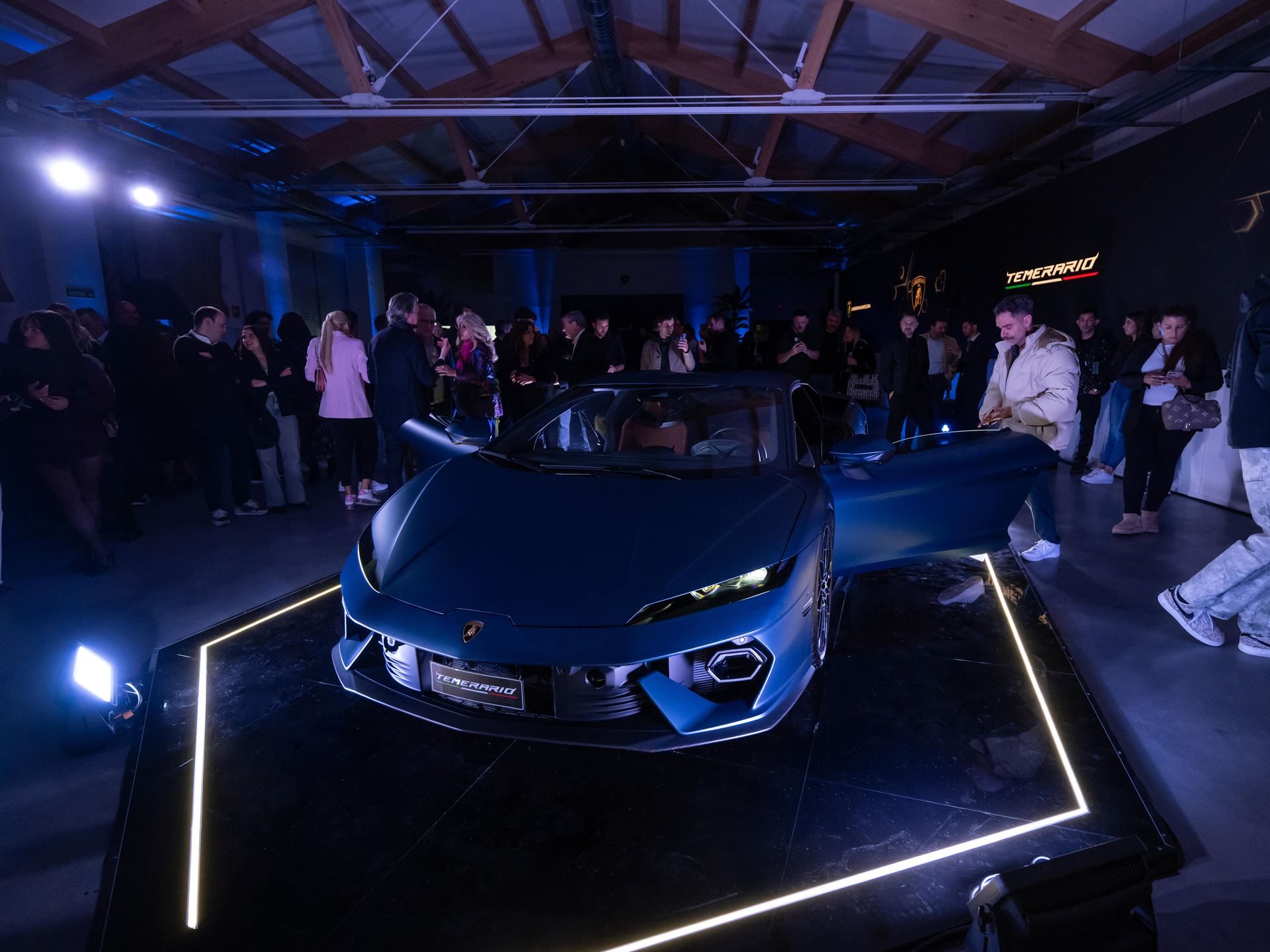
Lamborghini describes the Temerario’s front end as shark-inspired, and the images from Barcelona back that up. The nose is blunt and wide, dominated by hexagonal LED daytime running lights and deep-cut air intakes. Short overhangs pull the visual mass toward the center of the car, and the overall silhouette sits low and compact.
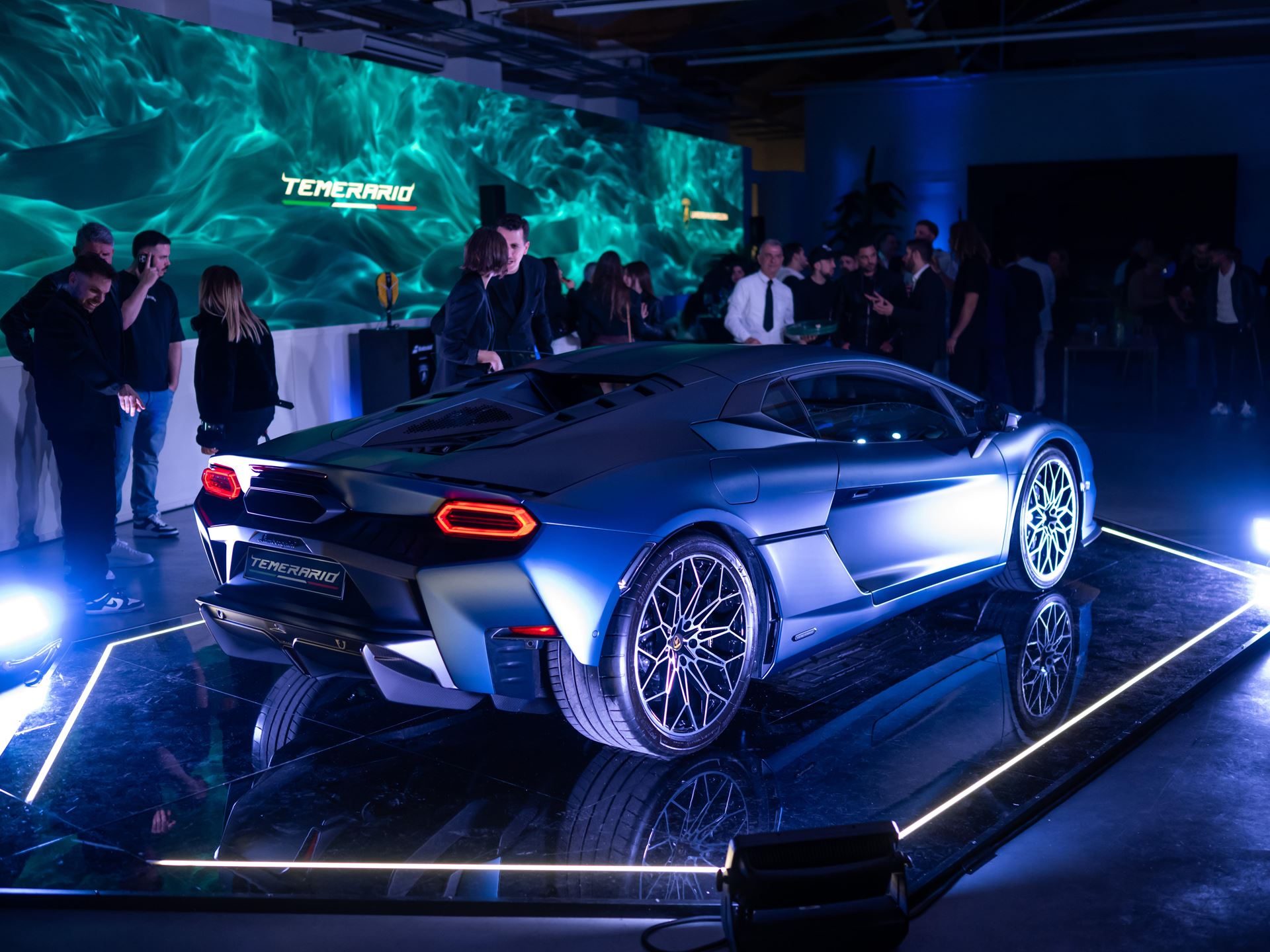
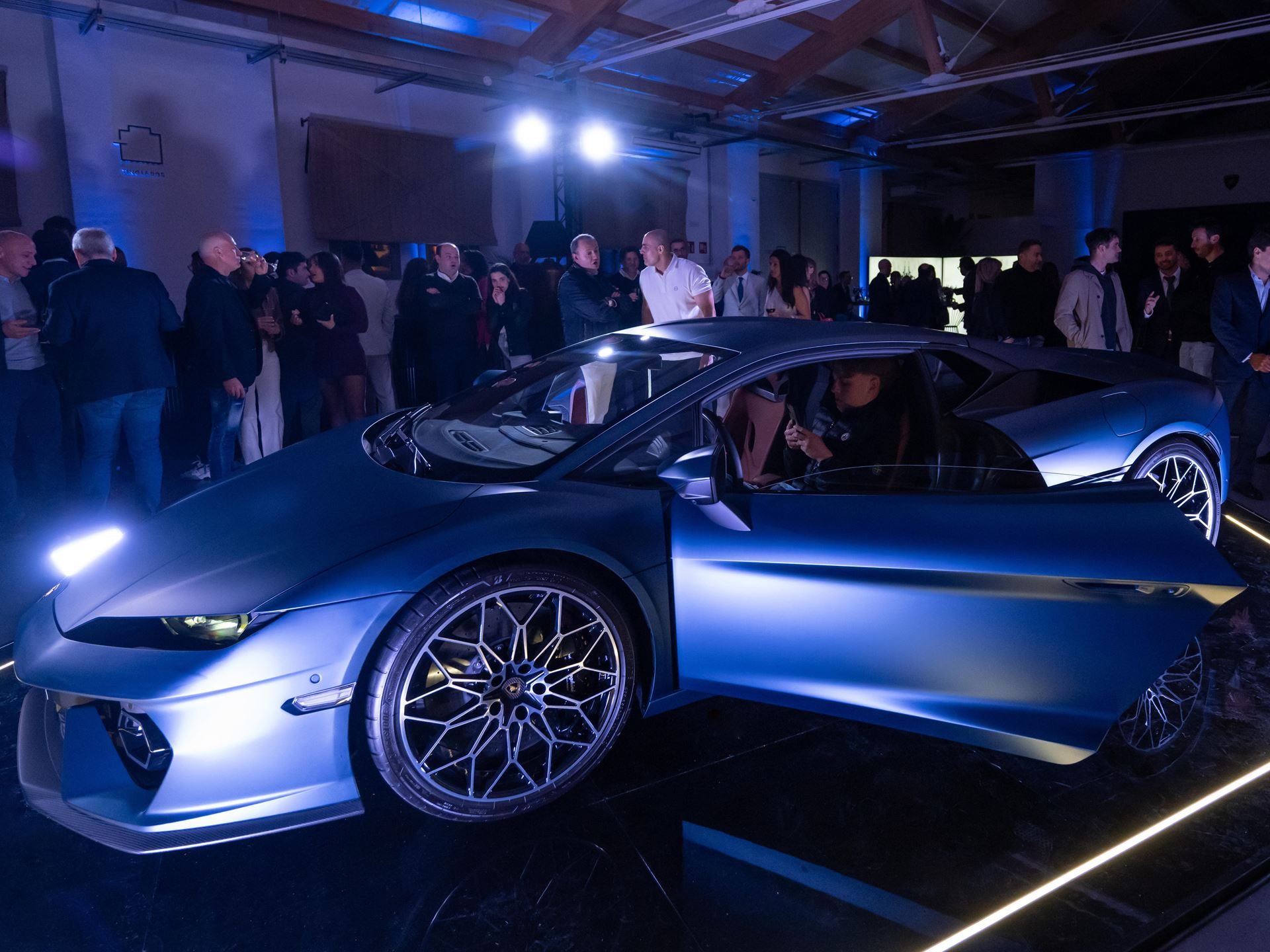
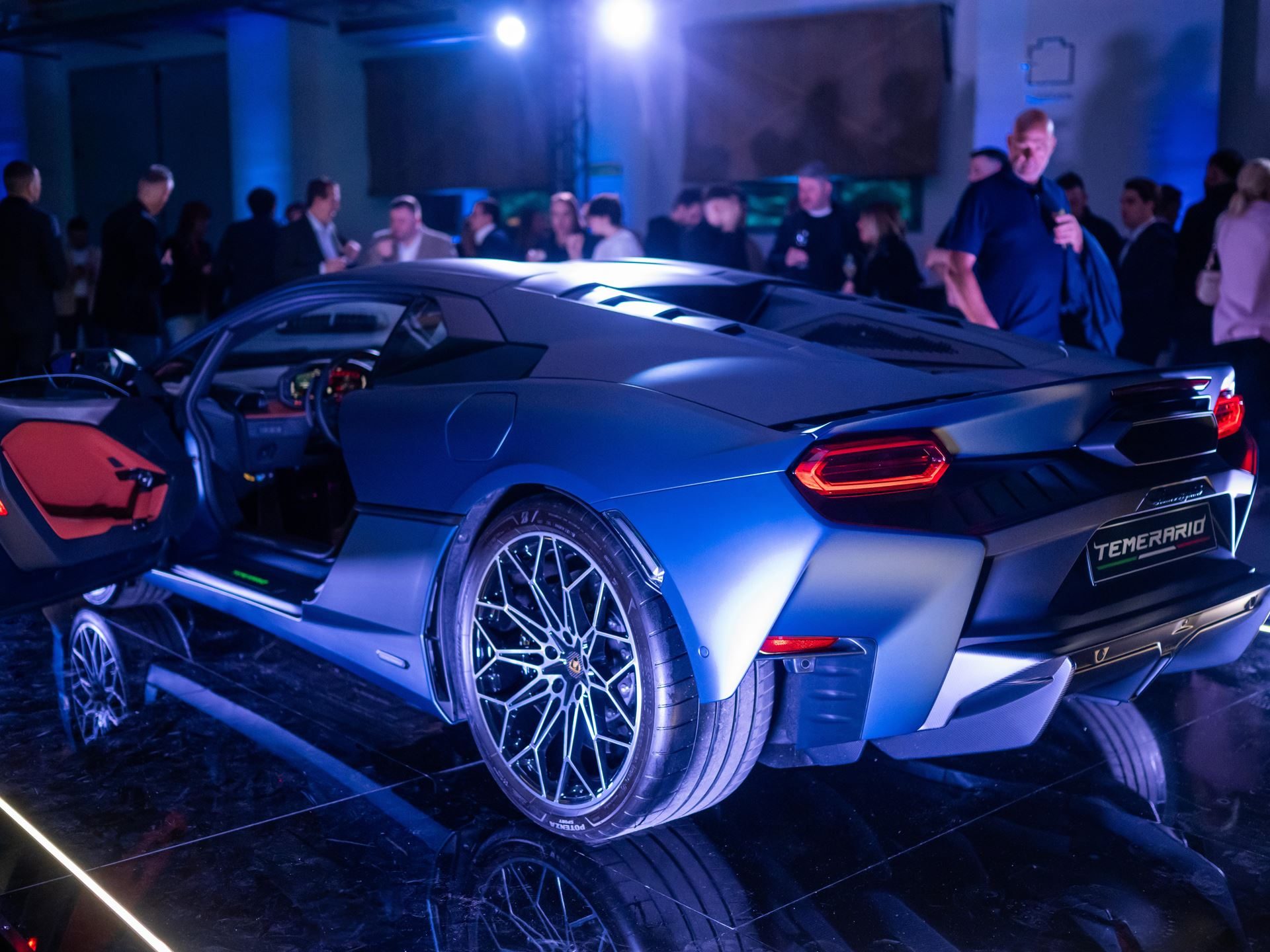
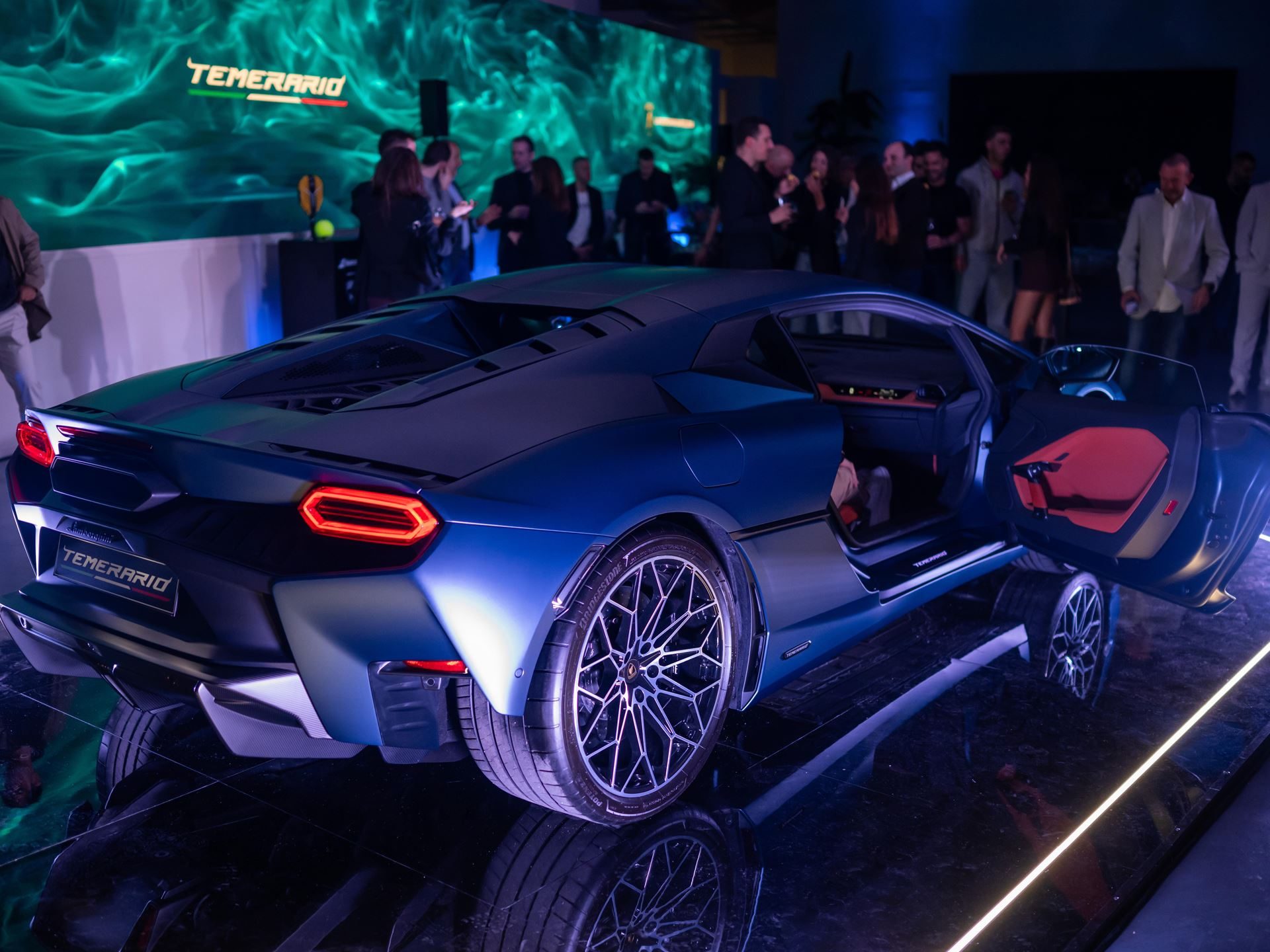
At the rear, hexagonal taillights echo the front lighting signature, while a pronounced diffuser and centrally mounted exhaust outlet give the car a distinctly race-derived look. The bodywork is tightly wrapped around the mechanical package, with exposed rear wheels and minimal decorative surfacing. Conventional doors (not scissor doors) are visible in the event images, a departure from the Aventador/Revuelto lineage but consistent with the Huracán’s approach.
The interior, visible through open doors at the Barcelona event, centers on a flat-bottom steering wheel with integrated controls, a large digital instrument cluster, and a central infotainment screen. Hexagonal air vents carry the exterior’s geometric theme into the cabin. Carbon fiber, leather, and Alcantara are all visible in the display car, which wore brown leather upholstery, with metallic accents around the vents tying the cabin to the exterior design language. The steering wheel carries integrated controls that appear to consolidate driving-mode selection and vehicle functions into thumb-reach positions, consistent with the kind of interface a driver needs when managing a hybrid powertrain with multiple power sources. Lamborghini’s official material does not detail the infotainment software or connectivity features, but the physical layout suggests the company prioritized a clean, uncluttered driving environment. Lamborghini typically offers extensive interior personalization through its Ad Personam program, and the Temerario is expected to follow that pattern.

Alleggerita Pack: Where the High-Rev Philosophy Meets Aerodynamics
Lamborghini claims the Temerario’s rear aerodynamic load increases by 103% compared to the Huracán EVO. Opt for the Alleggerita lightweight package and that figure jumps to 158%. A presentation screen at the Barcelona event displayed additional Alleggerita numbers: total downforce up 67% and weight savings exceeding 25 kg.
Those are significant claims, and they suggest Lamborghini designed the Alleggerita Pack as a genuine track-oriented option rather than a cosmetic upgrade. A 25 kg diet on a hybrid supercar, where battery mass is a constant constraint, indicates meaningful material substitution (likely carbon fiber body panels and lighter interior trim, based on Lamborghini’s history with similar packages on the Huracán STO and Tecnica). The jump to 158% rear downforce with the lightweight package puts the Temerario into territory where aerodynamic grip starts to meaningfully change corner speeds, the kind of gains that reward a driver willing to explore the upper reaches of that 10,000 rpm powerband on circuit.
Lamborghini’s official materials do not yet specify pricing for the Alleggerita option or whether it affects ride quality for street use. For buyers considering the Temerario as a weekend track car, though, this looks like the box to tick.

The Cockpit Up Close
The cabin shots from Barcelona show a driver-focused cockpit that looks meaningfully more modern than the outgoing Huracán’s interior. A large digital instrument cluster replaces the Huracán’s partially analog gauges, and the central infotainment screen is more prominently integrated into the dashboard architecture.

Pricing, Availability, and What Comes Next
Lamborghini confirms the Temerario is not yet offered for sale. Fuel consumption and emissions data remain in the type-approval stage, which means official sale dates and regional pricing are still to come. The company’s official material from the Barcelona event does not include an MSRP or delivery timeline.
For buyers already on a Lamborghini dealer’s list, the practical takeaway is that the Temerario represents a complete departure from the Huracán: a new engine, a new hybrid architecture, and a new chassis. Early specification decisions, particularly around the Alleggerita Pack, will likely define whether a given car feels more street-oriented or track-focused. Lamborghini’s Ad Personam customization program is confirmed for the Temerario, and the company’s history with the Huracán suggests the options list will expand considerably once production ramps up.
The competitive landscape is clear. Ferrari’s 296 GTB and McLaren’s Artura both occupy this hybrid mid-engine supercar space, and both are already in customer hands. Lamborghini’s response arrives with a higher-revving combustion engine and a larger total power figure, but prospective buyers will need to wait for independent driving assessments and confirmed pricing before making direct comparisons. What Lamborghini accomplished in Barcelona was establishing the Temerario’s engineering identity: a hybrid supercar that chases combustion-engine drama as aggressively as it chases lap times.

Gallery