Lamborghini’s 2022: A Record Built on Strategy, Not Luck
Lamborghini declared 2022 a year of unprecedented global achievement, and the numbers back the claim. One widely cited report indicates the company delivered 9,233 vehicles worldwide, a 10% jump over 2021, while turnover reportedly reached €2.38 billion (a 22% increase) and operating income surged 56% to €614 million. That 25.9% operating margin, if accurate, represents a best-in-class figure in the luxury automotive segment and the fifth consecutive year of margin improvement.
Raw figures, though, only tell part of the story. What made 2022 genuinely interesting for anyone who follows Sant’Agata Bolognese was the convergence of deliberate choices that reinforced one another: product diversification that broadened the buyer base without cheapening the brand, a scarcity model that kept demand permanently ahead of supply, and a customer experience apparatus designed to make ownership feel like membership in something exclusive. Lamborghini says this success stems from collaboration across its worldwide team and a commitment to putting customer desires first. The thread running through every initiative was the same: controlled growth, rooted in heritage, aimed at long-term desirability rather than short-term volume.
Product Diversification as a Competitive Weapon
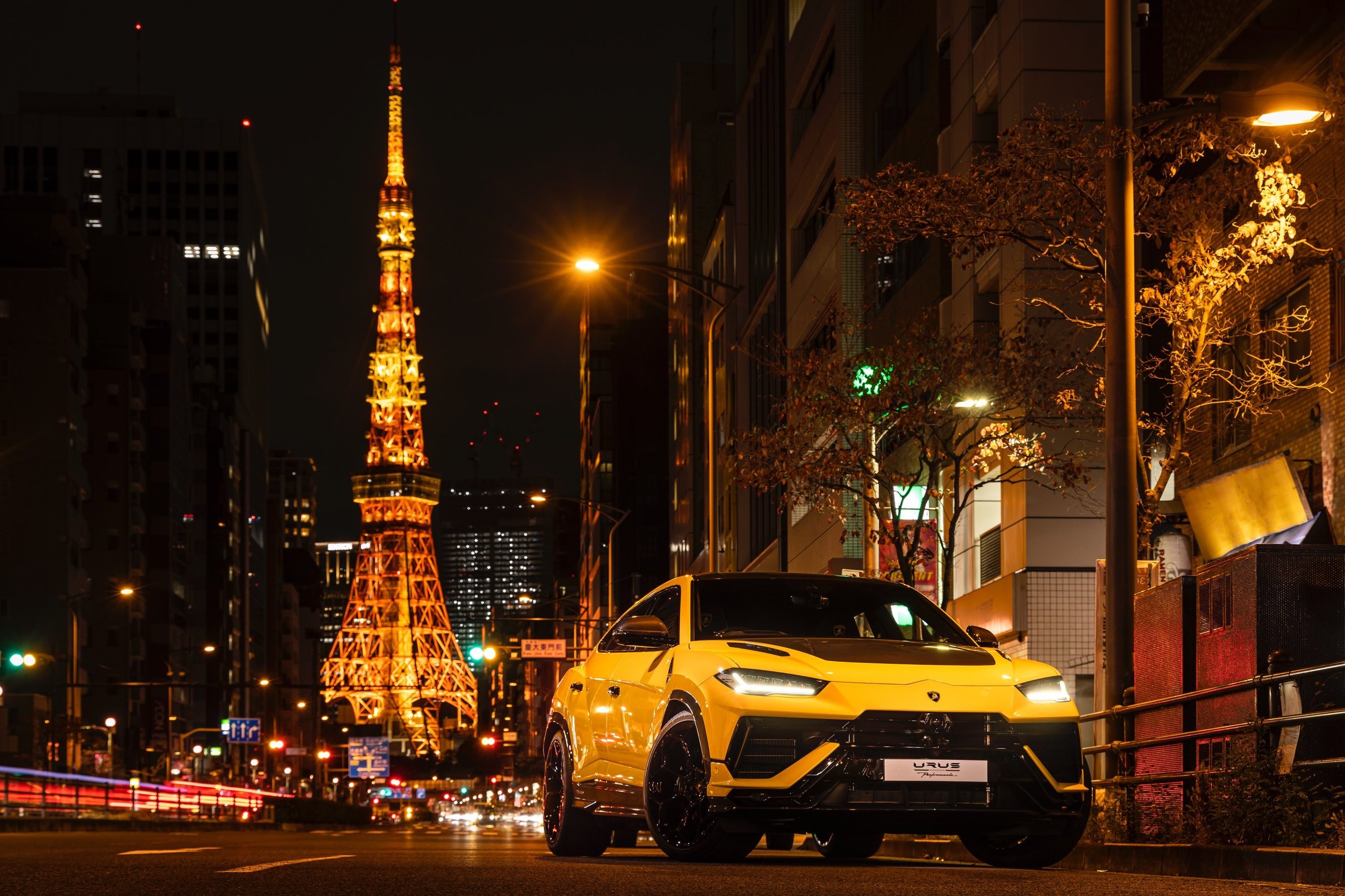
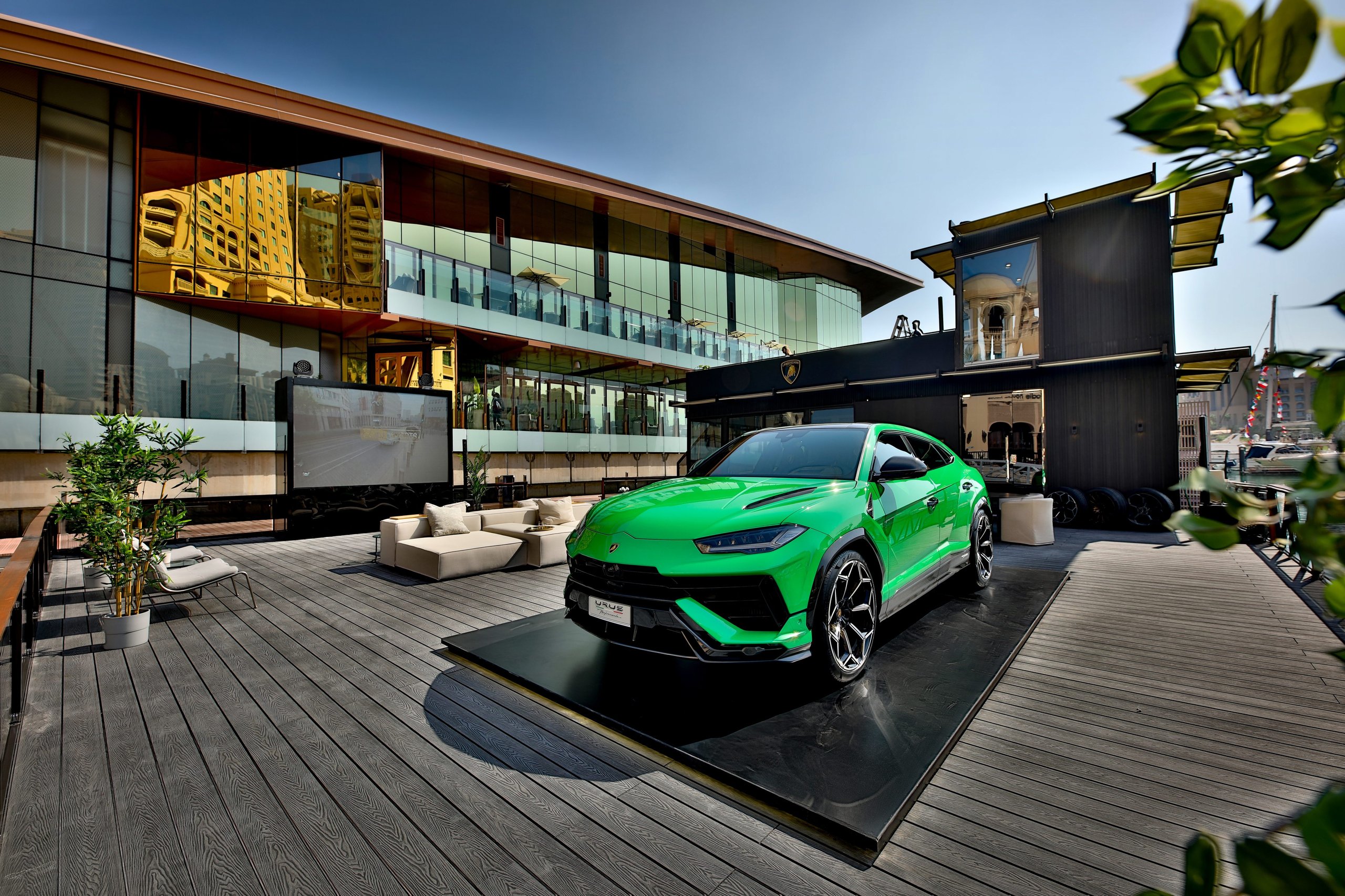
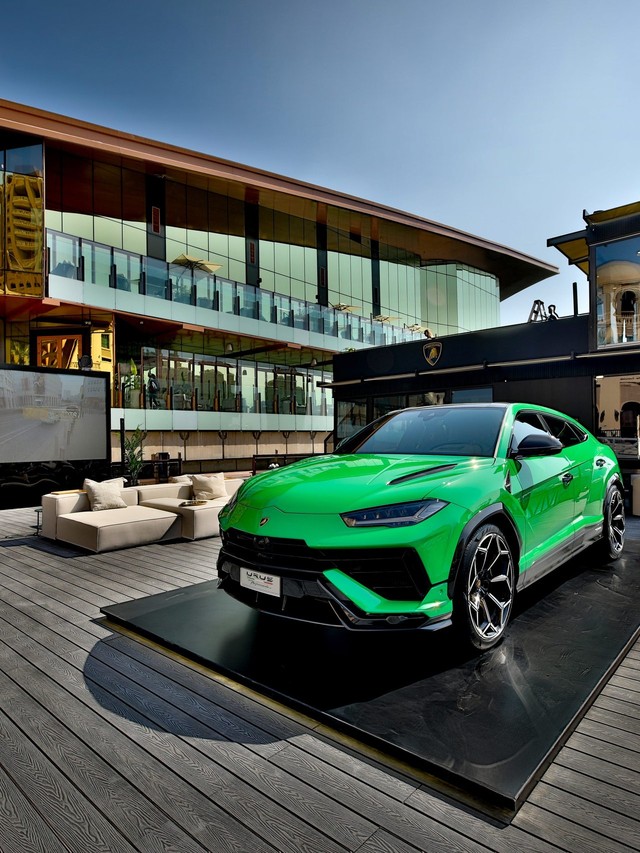
The Urus remained the engine room of Lamborghini’s growth. According to one report, the Super SUV accounted for 5,367 deliveries in 2022, more than half the total, with a 7% year-over-year increase. The Huracán contributed 3,113 units (up 20%), while the Aventador, which concluded production in September 2022, added 753 units in its final year.
Those three pillars already represent a broader product strategy than most rivals deploy. Ferrari, by comparison, delivered 13,221 units globally in 2022 across a wider model range but did not yet field a direct SUV competitor; the Purosangue arrived later. McLaren, still working through its post-pandemic restructuring, operated at a fraction of Lamborghini’s volume. Lamborghini managed to grow aggressively while keeping its lineup to just three core nameplates, each serving a distinct buyer profile.
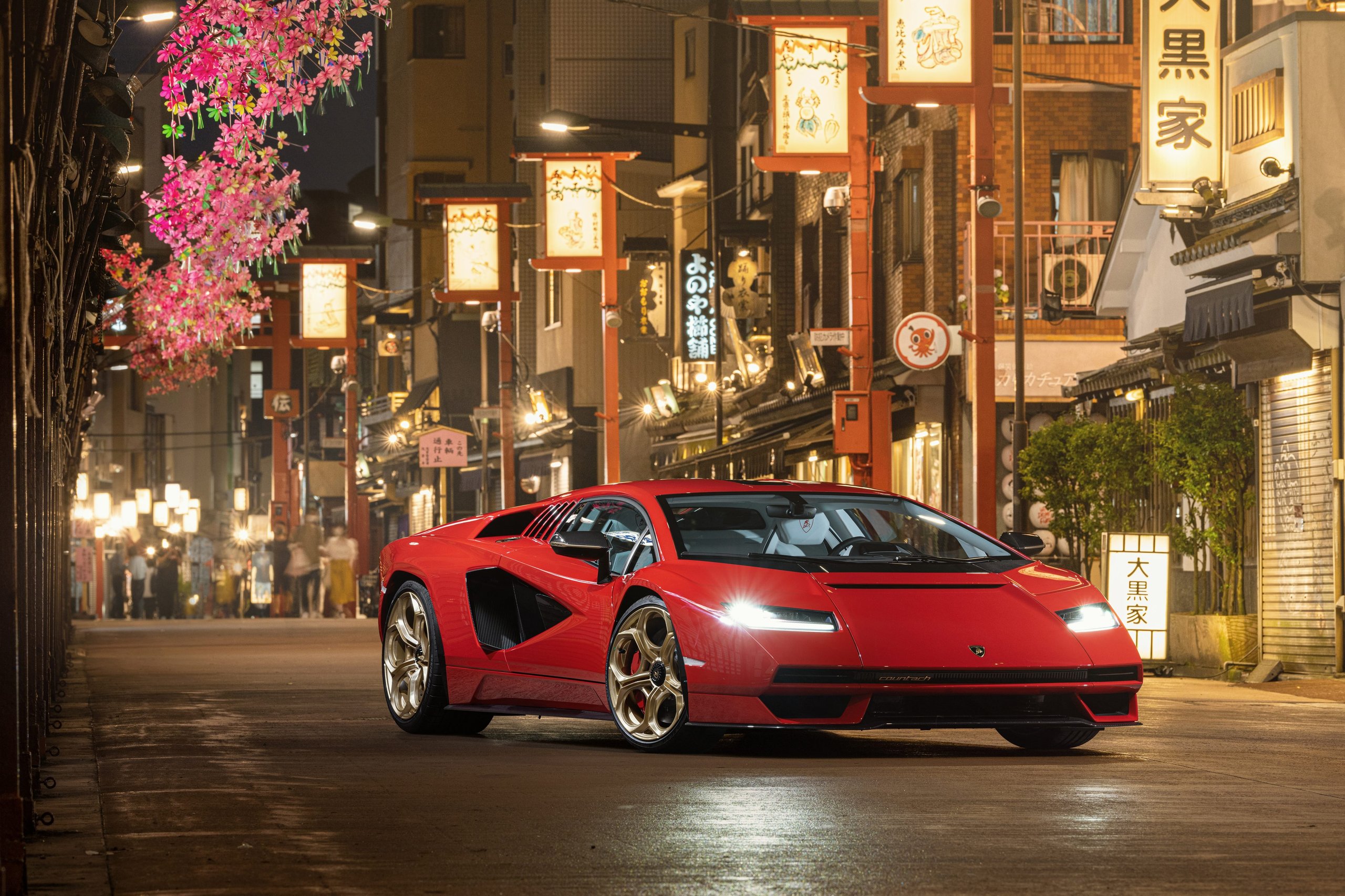
Then came the outliers. The Huracán Sterrato, visible in official imagery kicking up dust in a rocky quarry with its raised ride height and rally-inspired lights, represented a bold expansion of the supercar concept into terrain no competitor was seriously exploring. The Countach LPI 800-4 and the Sián FKP 37 occupied the ultra-exclusive hybrid hypercar space, reinforcing technological ambition without flooding the market. Lamborghini reportedly produces some special models in runs as small as 20 or 40 units. That kind of deliberate scarcity converts cars into cultural objects, and it feeds the same strategic logic that governed the entire 2022 lineup: grow the brand’s reach while tightening its grip on exclusivity.

The Huracán Sterrato conquers a dusty quarry, showcasing its off-road prowess under a golden, hazy sky. Image: Automobili Lamborghini.
Selling the Experience, Not Just the Car
Scarcity alone does not build loyalty. Lamborghini emphasizes that constant listening to its community and special attention to customers sit at the core of its approach, and in practice this means the brand sells a lifestyle as much as a vehicle. The Ad Personam customization program lets buyers collaborate directly with Lamborghini’s designers and engineers, turning each car into a personal statement. For buyers spending well into six figures, that kind of access matters more than any brochure.
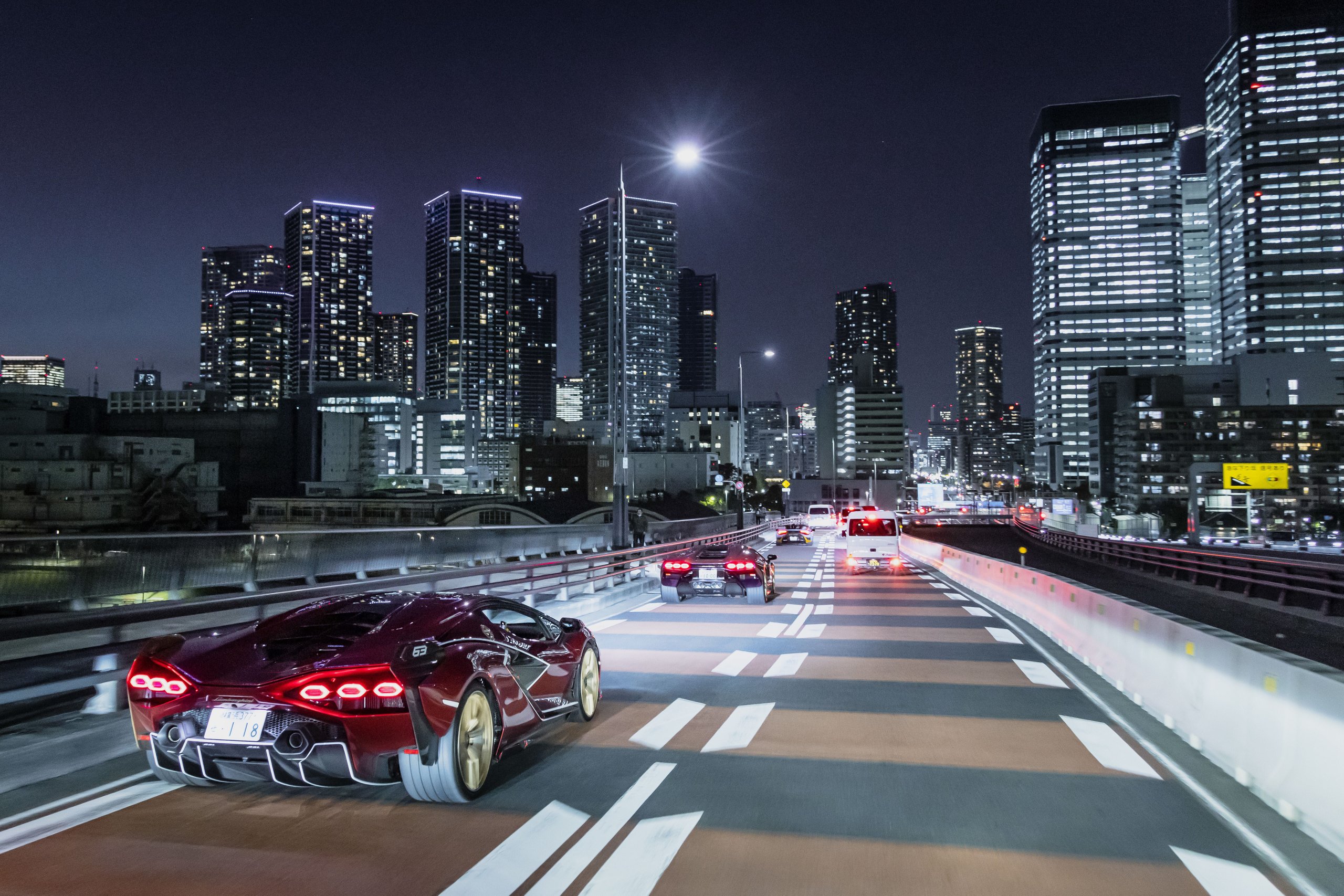
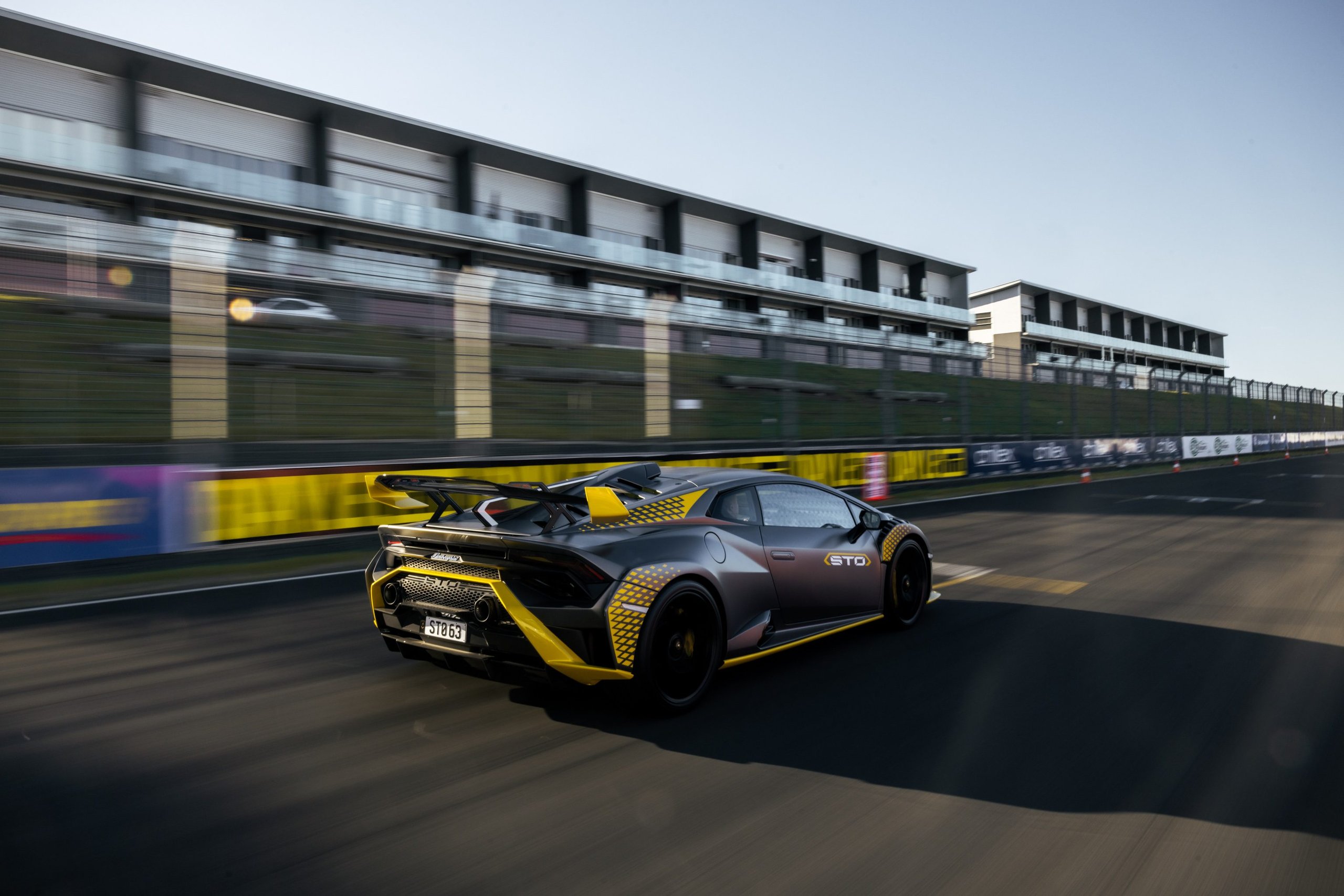
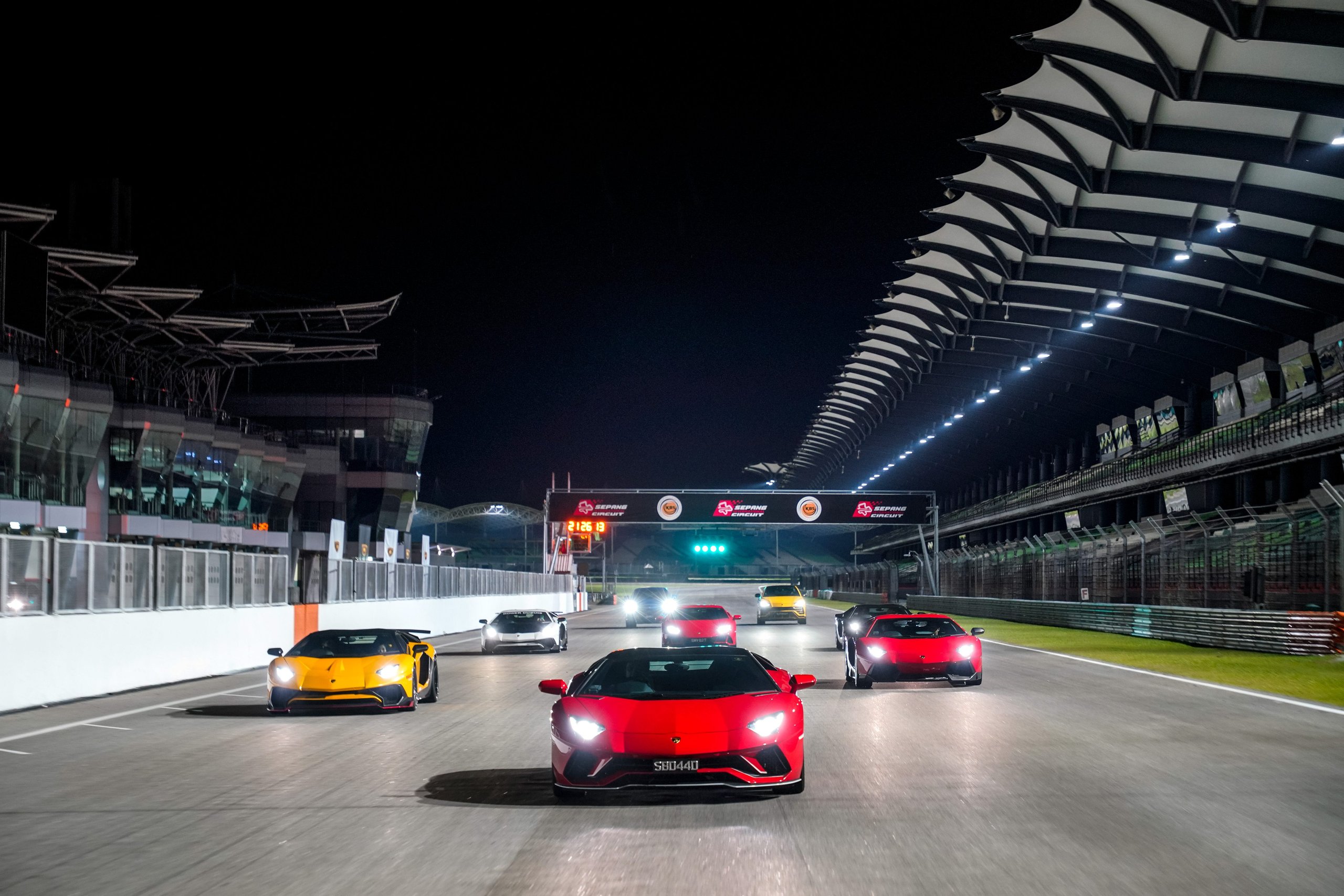
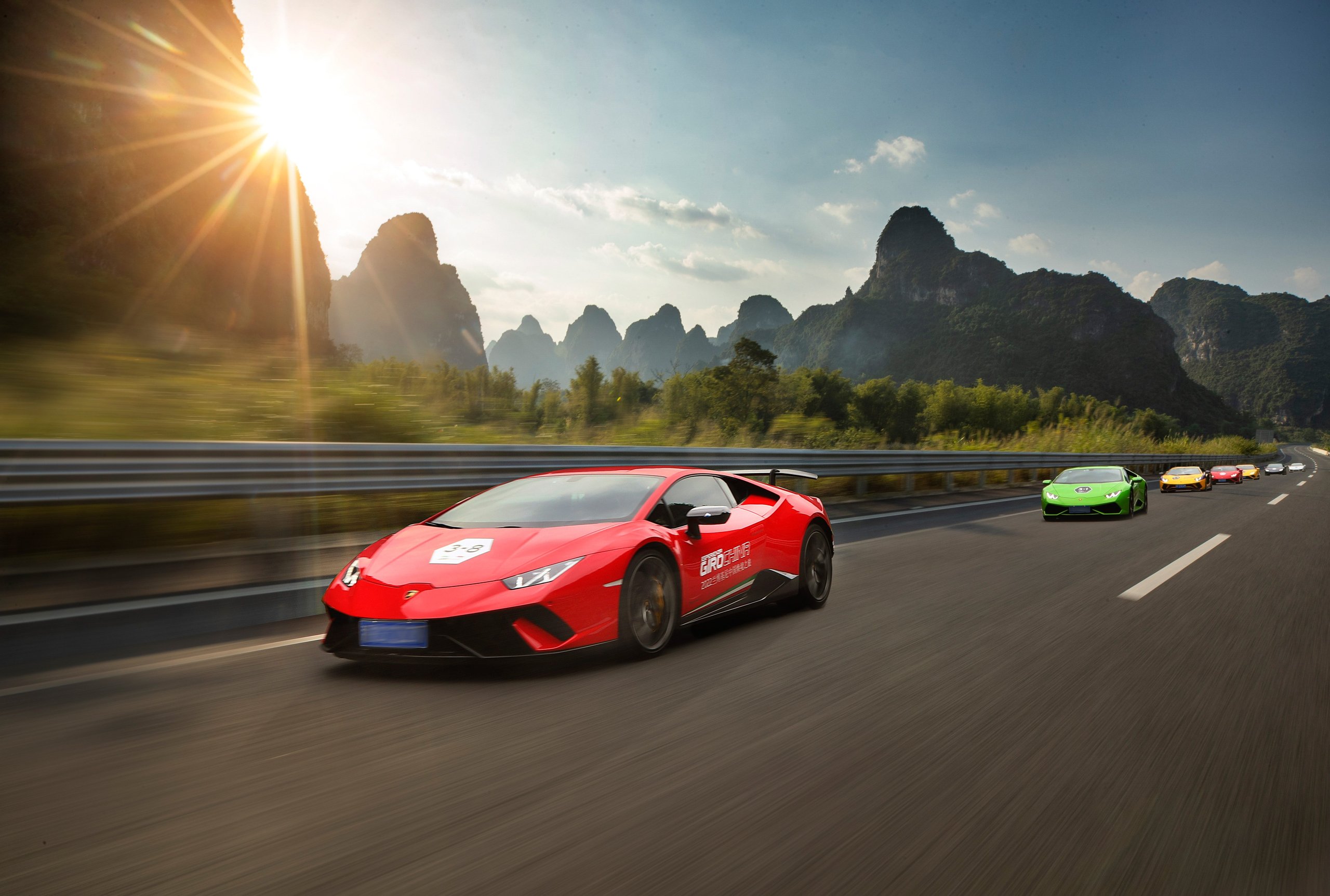
Official imagery from 2022 tells this story vividly: Urus convoys threading through historic Italian villages, Huracán formations crossing dramatic red arch bridges, STO pairs blasting across urban bridges against city skylines at sunset. These curated driving events accomplish something no spec sheet can. They bind owners to the brand emotionally, creating a sense of belonging that discourages defection to Maranello or Woking.
Longtime Lamborghini owners on enthusiast forums frequently describe the purchase as a decades-long aspiration finally realized. That emotional investment, cultivated through events and community engagement, explains why Lamborghini reportedly carried an 18-month waiting list extending into 2024. When demand consistently outstrips supply, the brand controls the conversation, and every touchpoint beyond the showroom reinforces the strategic scarcity that defined 2022.

A vibrant convoy of Lamborghini Urus SUVs lines a historic village path, showcasing a spectrum of colors. Image: Automobili Lamborghini.
Sant’Agata’s Balancing Act: Heritage Meets Hybrid Ambition
Every strategic thread in 2022 traced back to a single geographic and philosophical anchor: Sant’Agata Bolognese. Lamborghini highlights the small town in Italy’s storied Motor Valley as the enduring reference point for its global operations, even as the brand expands into 49 markets through 145 dealers worldwide. The United States remains the largest single market, and Asia led regional growth in 2022 with a reported 14% increase.
The tension between heritage and evolution defines Lamborghini’s next chapter. The company embarked on the second phase of its Direzione Cor Tauri electrification roadmap in 2022, reportedly backed by a €1.8 billion investment over five years. CEO Stephan Winkelmann has indicated a preference for hybrids over a fully electric future for certain models, a position that resonates with enthusiasts wary of losing the visceral character that defines the brand. The Revuelto, which already carried over 3,000 orders before its official debut, represents the clearest proof that buyers accept hybridization when it augments rather than replaces the core experience.
Lamborghini reportedly allocates more than 10% of its revenue to research and development, roughly double the automotive industry average. That investment underwrites projects like the Terzo Millenio research initiative, which explores energy storage, engine sophistication, and the reinvention of automotive sound. For a company that built its identity on naturally aspirated V10s and V12s, the acoustic question is not academic. It is the next frontier of the same controlled-growth philosophy that made 2022 so effective: evolve the product without diluting the desire.

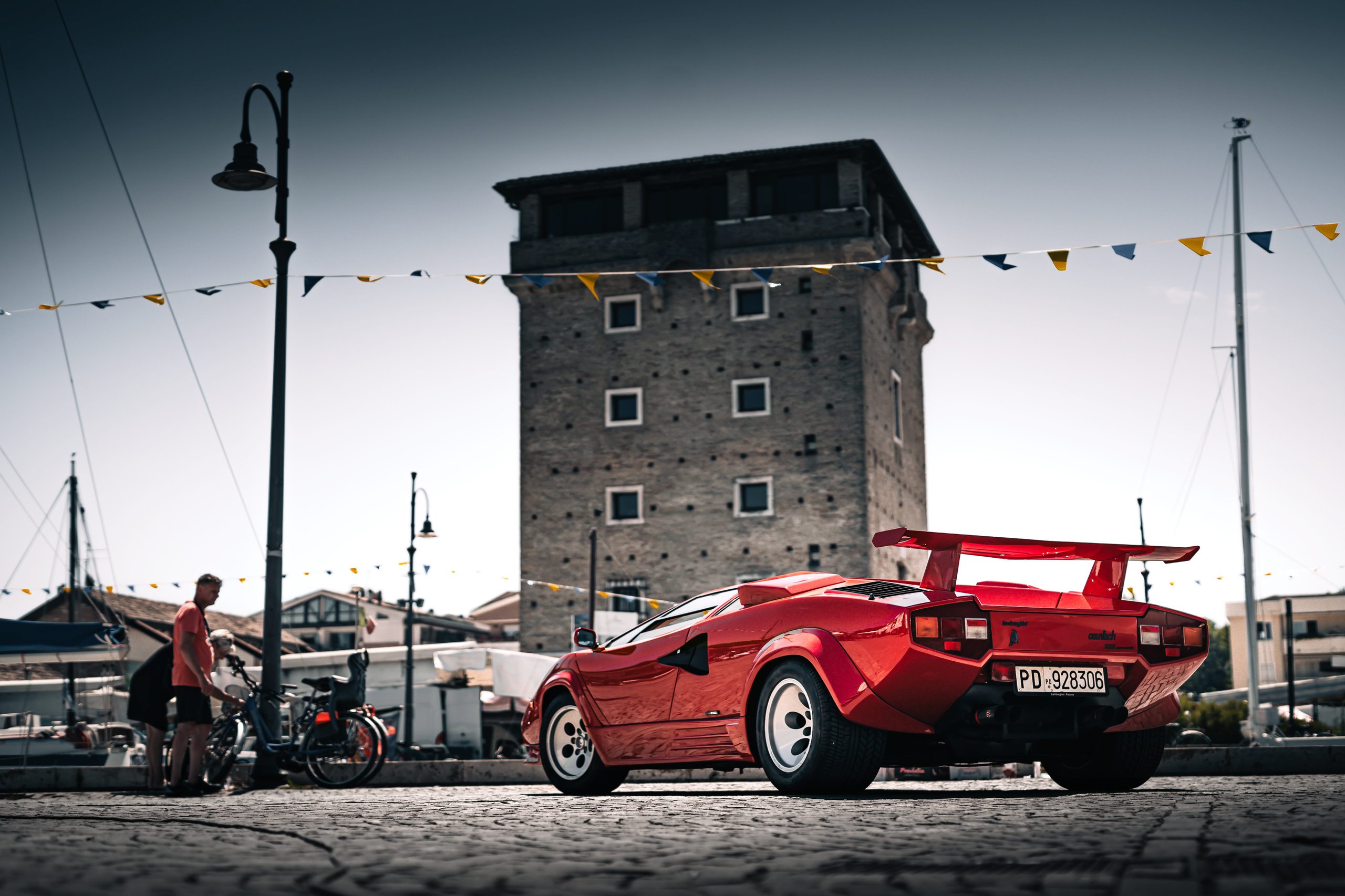
A timeless Lamborghini 400 GT 2+2 elegantly parked on a classic London street, exuding vintage charm. Image: Automobili Lamborghini.
What This Means for Rivals and for You
Lamborghini’s 2022 trajectory exposed a competitive reality that Ferrari and McLaren each face differently. Ferrari’s larger volume (13,221 units in 2022) and higher total revenue reflect a broader model portfolio, but Lamborghini’s reported 25.9% operating margin rivaled or exceeded Ferrari’s 24.1% EBIT margin for the same year. Profitability per car, driven by scarcity pricing and rich option lists, is where Lamborghini punches hardest.
McLaren, meanwhile, lacked a volume anchor comparable to the Urus and spent much of the period stabilizing its business. Lamborghini’s ability to fund an aggressive electrification roadmap from a position of financial strength, rather than necessity, gives it a strategic flexibility that smaller rivals cannot easily match.
For current and prospective Lamborghini buyers, the practical takeaway is straightforward: demand will continue to outpace supply. Both the Urus and Revuelto are sold out through 2026, and no new SUV models are planned beyond the current Urus. Lamborghini’s confirmed future lineup includes plug-in hybrid successors and a 2+2 EV GT, but the company shows no intention of chasing volume for its own sake. The 2022 results validated the scarcity model. Expect Sant’Agata to lean into it harder, not soften it. That is the real lesson of the year: Lamborghini did not simply sell more cars. It proved that disciplined restraint, anchored in heritage and amplified by experience, is the most powerful growth strategy in the luxury performance segment.

Three distinct Lamborghini Huracán models, including the EVO, STO, and Tecnica, line up on a track at sunset. Image: Automobili Lamborghini.
Gallery