200 Owners, 11 Dealerships, One Hybrid Debut
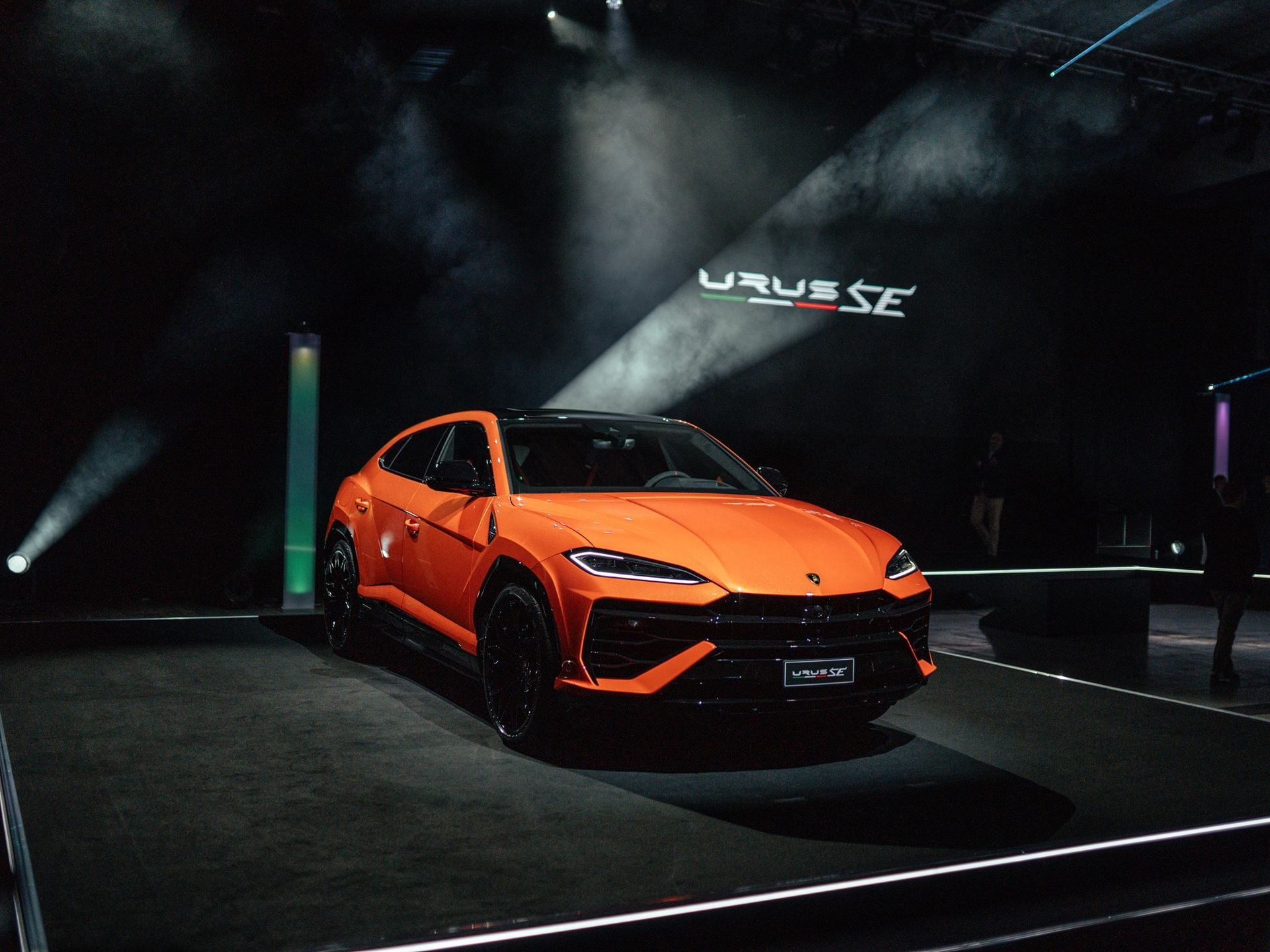
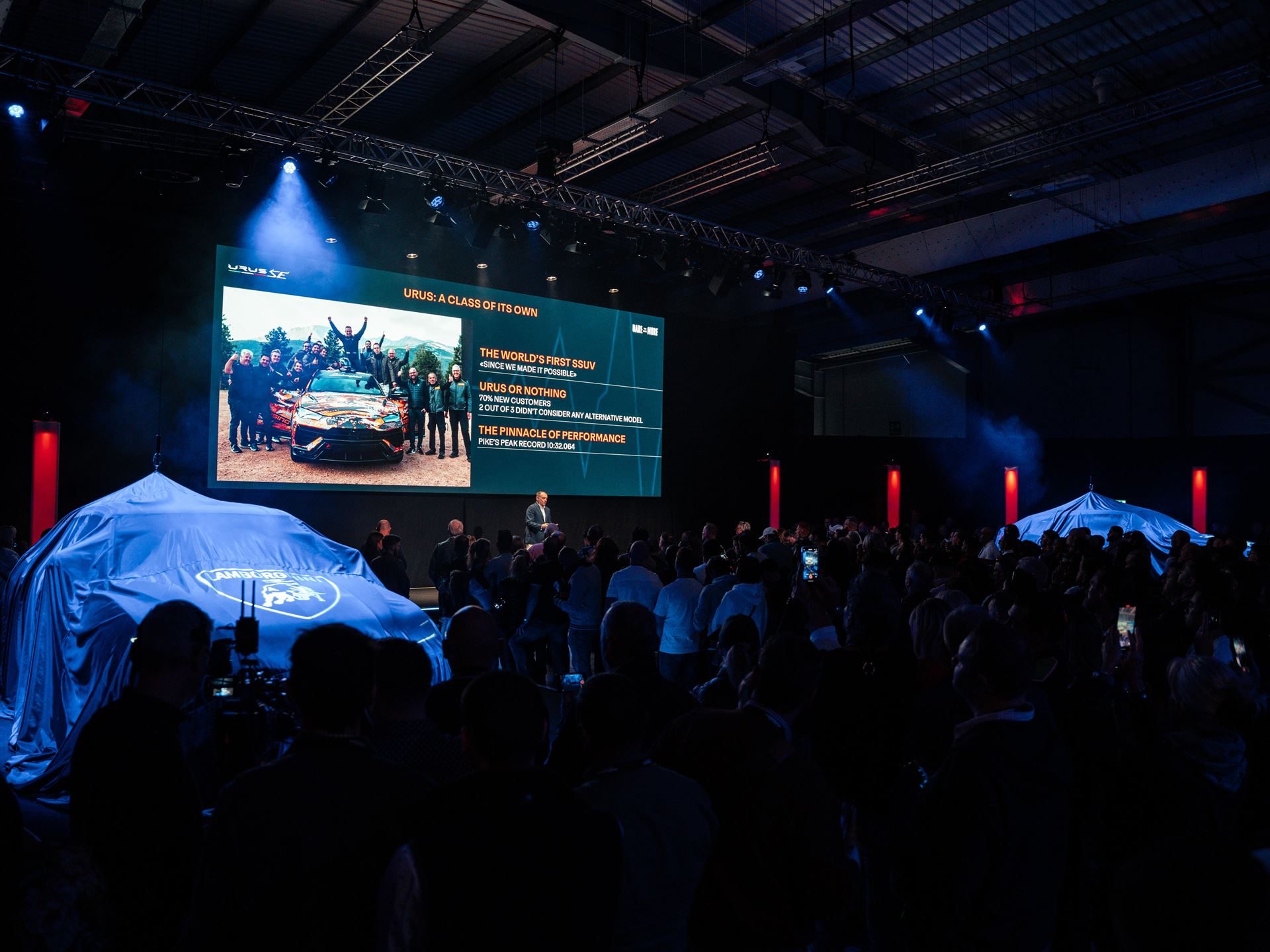
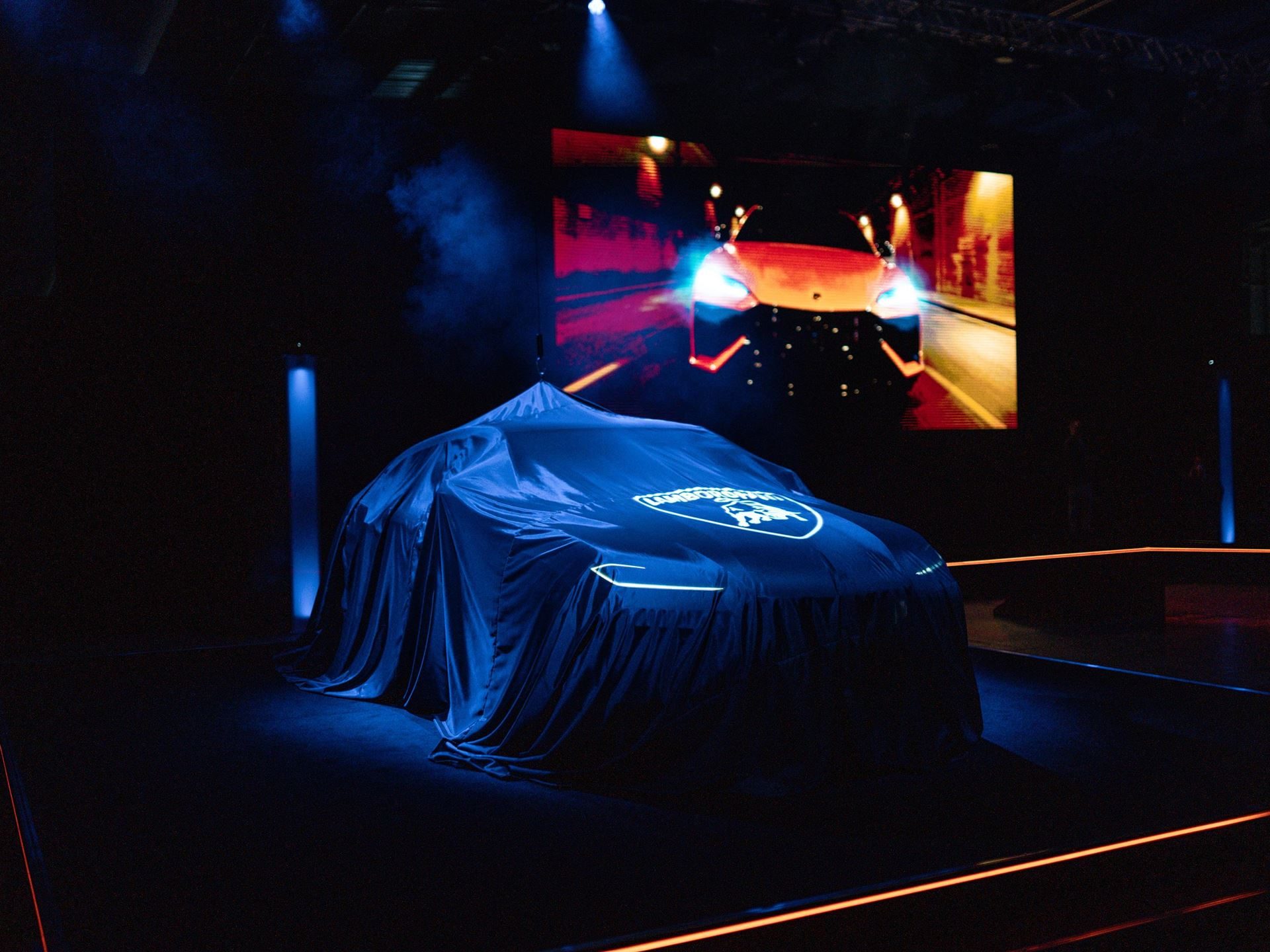
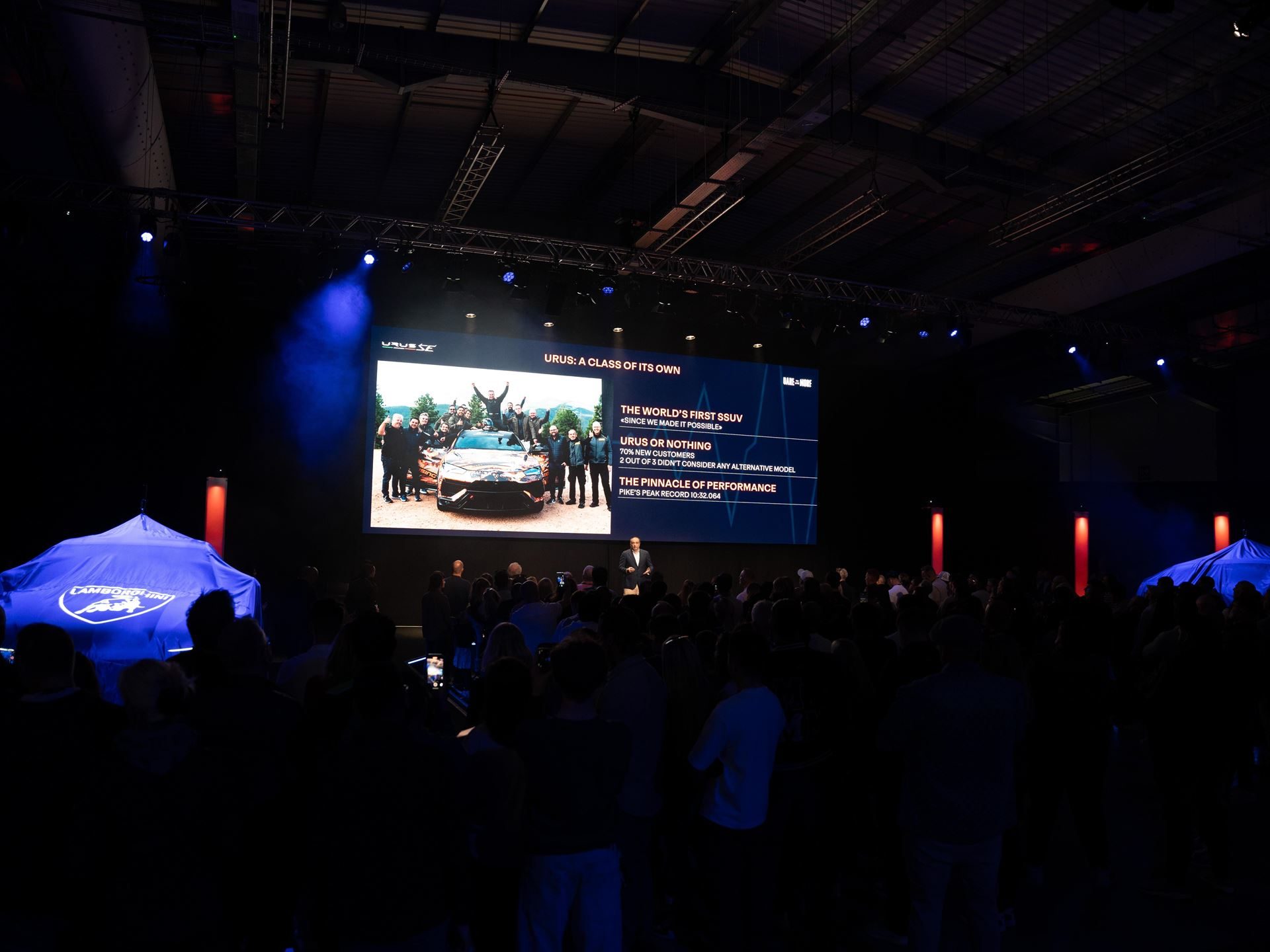
Most automakers reveal a new model under fluorescent convention-hall lighting, then hope the right people notice. Lamborghini took the opposite approach with the Urus SE’s first UK appearance: it summoned more than 200 owners to Farnborough International Exhibition and Conference Centre on 4 May, routed them through coordinated ‘Bull Run’ convoys from all 11 UK dealerships, and only then pulled the cover off its plug-in hybrid Super SUV. The car had made its international debut at the Beijing auto show just the previous week. Bringing it to a curated owner gathering in Hampshire within days tells you how seriously Lamborghini treats this market.
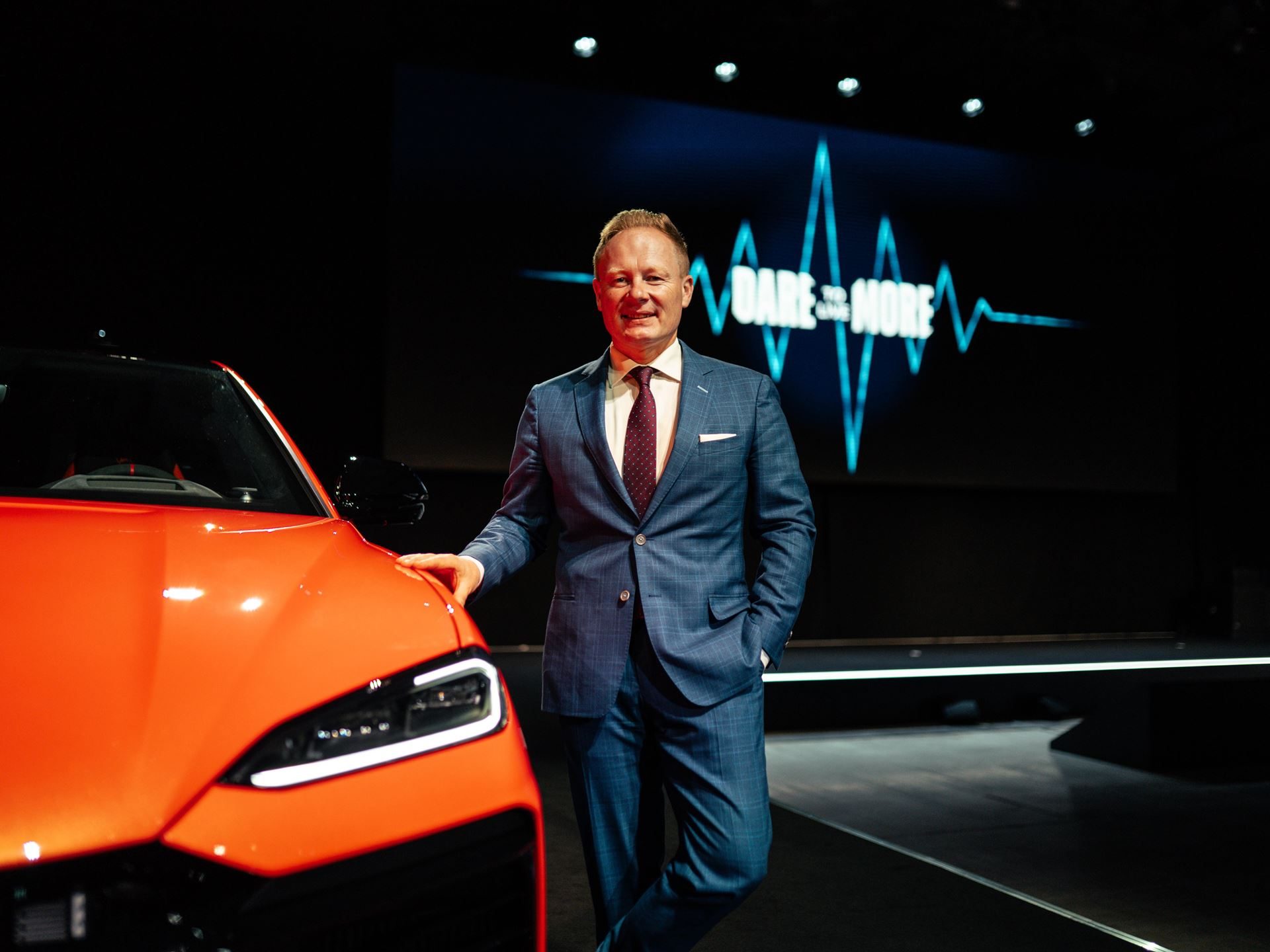
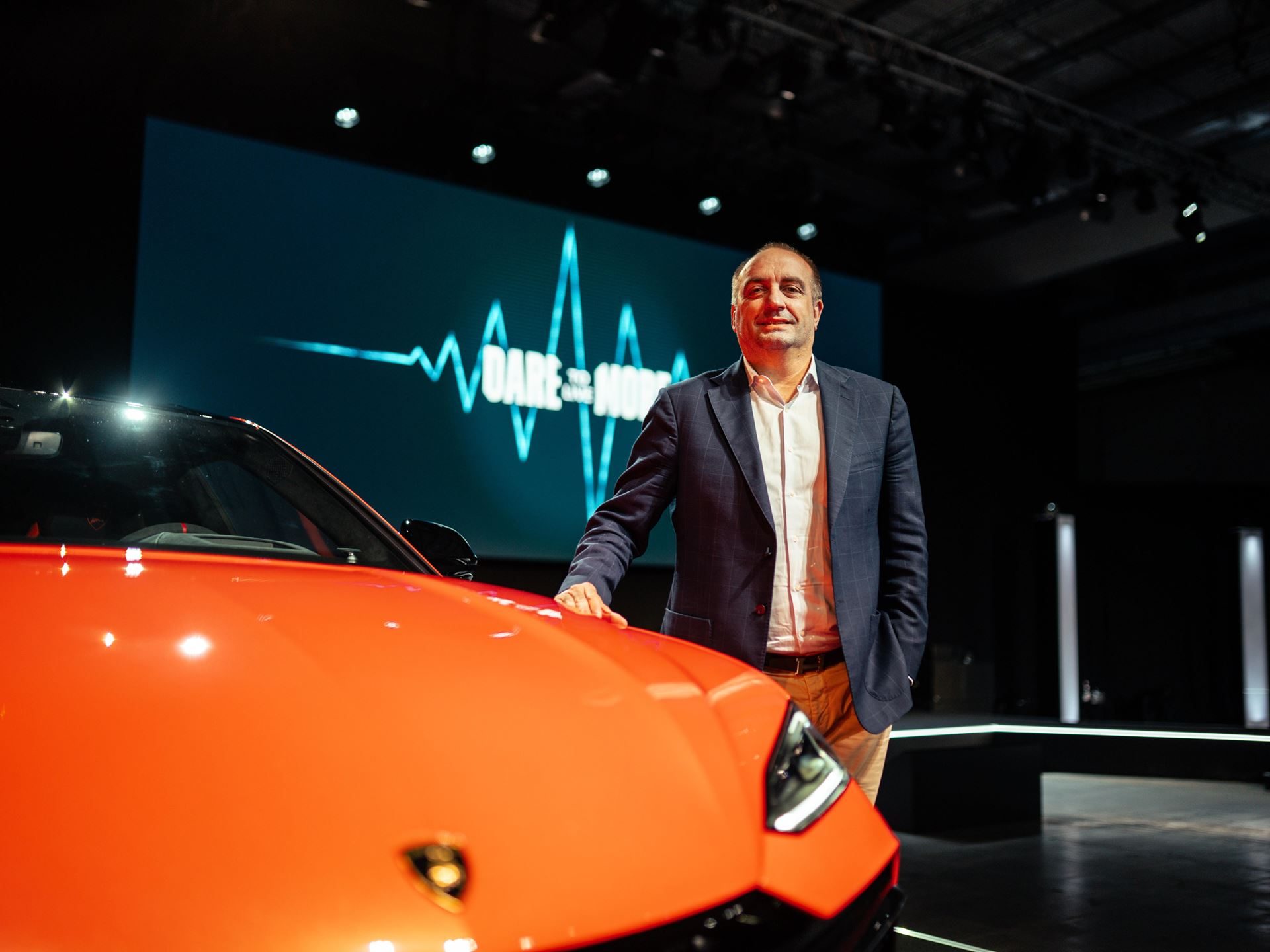
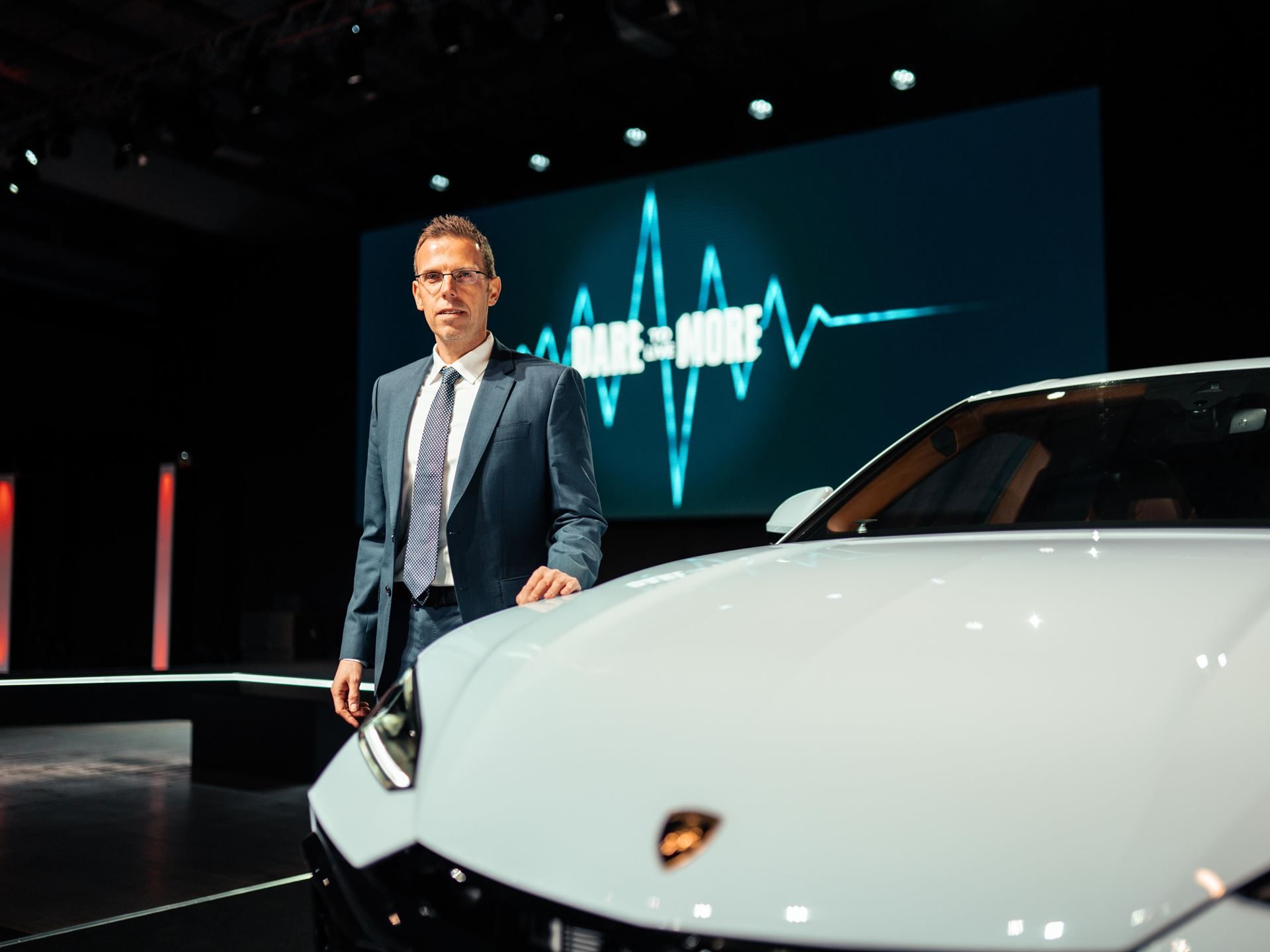
The UK is the company’s fourth-largest globally, with record deliveries exceeding 800 cars in 2023. Presenting the Urus SE to existing customers first, rather than through a conventional dealer launch, is a deliberate loyalty play, one that frames a product reveal as a reward for brand allegiance. Senior leadership reinforced the point: Chief Sales and Marketing Officer Federico Foschini, Chief Technical Officer Rouven Mohr, Design Director Mitja Borkert, and Aftersales Director Alessandro Farmeschi all attended to present the car in person. Every element of the day, from the convoy arrivals to the heritage displays to the personalization studios, served the same purpose: wrapping a significant new product inside an experience that makes owners feel like insiders rather than consumers.

The Urus SE: 800 CV and a New Kind of Torque Delivery
The car at the center of all this theater is genuinely new, not a mild refresh. Lamborghini says the Urus SE pairs a re-engineered 4.0-liter twin-turbo V8 producing 620 CV and 800 Nm with a 192 CV electric motor integrated into the 8-speed automatic transmission, yielding a combined 800 CV and 950 Nm of torque. That torque arrives at just 1,750 rpm and holds through 5,750 rpm, which in practical terms means the power band feels wide and immediate.
Performance claims follow accordingly: 0-100 km/h in 3.4 seconds (a tenth quicker than the Urus S), 0-200 km/h in 11.4 seconds (a full 1.1-second improvement), and a top speed of 312 km/h. The weight-to-power ratio improves to 3.13 kg/CV from the S’s 3.3 kg/CV.
More interesting than the headline numbers is how the Urus SE distributes all that torque. A new centrally located longitudinal electric torque-vectoring system uses an electro-hydraulic multi-plate clutch to split drive continuously between front and rear axles, working alongside a new electronic limited-slip differential on the rear axle. Lamborghini says the combination enables “on demand” oversteer, the intent being to make a 2,500-kg-class SUV rotate like a sports car when you want it to while defaulting to stable all-wheel-drive traction the rest of the time. Whether that promise holds up on a wet B-road in the Cotswolds remains to be seen, but the engineering architecture is genuinely new for this platform.
A 25.9-kWh lithium-ion battery sits below the load floor, giving the Urus SE more than 60 km of EV-only range with the electric motor driving all four wheels independently of the V8. Lamborghini also claims an 80% reduction in emissions, though the company did not specify the baseline or test cycle for that figure. For buyers navigating London’s ULEZ or similar urban zones, the EV capability is a practical ownership benefit that the non-hybrid Urus variants simply cannot offer.

Ad Personam, Centro Stile, and Why Personalization Sells the Brand
Revealing the Urus SE was the opening act, but much of the Farnborough venue was given over to experiences designed to pull owners deeper into the brand’s ecosystem, and that balance was deliberate.
An Ad Personam studio let clients experiment with color, trim, and material combinations for new orders. Alongside it, a specially commissioned Revuelto wore a diagonal fading paint scheme in Rosso Bia and Nero Granatus, with shiny carbon roof, matt black tailpipes, and red-embroidered headrests. The car existed purely to demonstrate what the personalization program can achieve when given free rein. Centro Stile designers ran live workshops showing how a concept moves from sketch to production, with event imagery capturing a designer hand-drawing the Urus SE’s side profile on black paper in front of attendees.
This kind of activation matters commercially. Personalization programs carry significant margin for manufacturers, and they create emotional investment that makes customers less likely to cross-shop. Ferrari runs its Tailor Made program with a similar philosophy, but Lamborghini’s approach at events like this one is more communal: owners browse together, compare notes, and see finished examples in person rather than through a configurator screen. For prospective Urus SE buyers, encountering the breadth of Ad Personam options in a physical space is a far more effective sales tool than any PDF brochure. It also reinforces the event’s underlying logic: the car is the reason you came, but the brand world around it is the reason you stay.

Countach to Revuelto: Heritage as a Strategic Asset
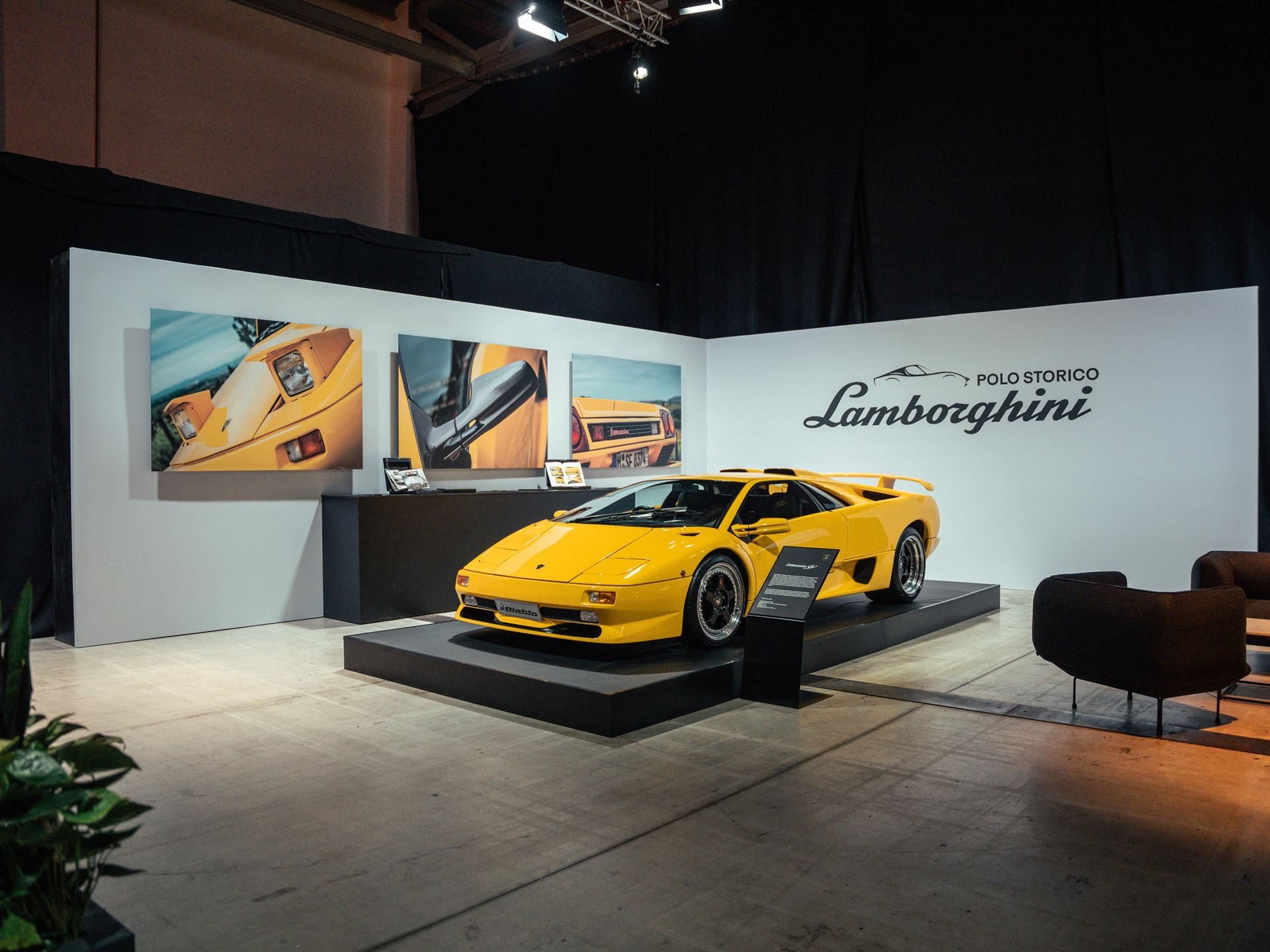
Polo Storico, Lamborghini’s heritage department, brought a Diablo SV and a lineup of Countach models spanning the original LP 400 production car through the LP 500 S to the limited-edition Countach LPI 800-4. The Countach display marked the model’s 50th anniversary, and parking a hybrid limited-edition next to the original wedge-shaped LP 400 made a visual argument that electrification is an extension of Lamborghini’s history, not a departure from it. That narrative dovetails neatly with the Urus SE reveal: if the Countach bloodline can absorb a hybrid powertrain and remain recognizably itself, so can the Urus.
A separate area celebrated the V10 lineage with Huracán and Gallardo examples, plus the Sesto Elemento concept that debuted at the 2010 Paris motor show. Weighing under 1,000 kg and quoted at 2.5 seconds to 100 km/h, the Sesto Elemento served as a reminder of how aggressively Lamborghini pursues lightweight performance when regulations allow it.
A Revuelto in a VR area let guests explore the V12 HPEV’s hybrid architecture virtually, bridging the heritage displays with the brand’s current flagship. Placing the 1,015 CV Revuelto experience steps away from a 1970s Countach is calculated storytelling, reminding owners that the company’s identity runs through its engineering ambition, whether the power source is a carbureted V12 or a hybridized one.

The Wider Ecosystem: Partners, Cartiera, and eSports
Even the peripheral activations at Farnborough reinforced the same immersion strategy. Pirelli displayed tyre options including a range for the Urus. Tod’s showed a clothing collection developed with Lamborghini. Culti provided fragrances, Lavazza handled the espresso, and an eSports lounge running The Real Race simulators drew guests into Lamborghini’s virtual racing world.
The Cartiera initiative, a partnership with a Bolognese ethical manufacturer, displayed accessories made from Lamborghini’s leather production offcuts. A sustainability exhibition highlighted the company’s CO2 neutrality, which Lamborghini says it has maintained since 2015. These are small details in the context of an 800 CV hybrid reveal, but they serve the same purpose as the heritage cars and the Ad Personam studio: they tell owners the brand thinks about more than lap times, and they give Lamborghini talking points that resonate with a buyer demographic increasingly conscious of environmental messaging. Nothing at Farnborough existed in isolation; every touchpoint fed back into the central proposition that owning a Lamborghini means belonging to a world, not just possessing a car.

What Lamborghini Day UK Tells Us About the Brand’s Playbook
Ferrari runs Corso Pilota track experiences. Porsche operates extensive driving academies. Lamborghini’s approach at Farnborough was different: less about seat time and more about immersion in the full brand world, from design sketches to heritage cars to the configurator. For a company whose UK sales are driven heavily by the Urus, staging the hybrid successor’s debut inside an owner community event rather than at a motor show or press-only venue is a smart retention strategy, one that treats the product launch as the hook and the brand experience as the close.
Lamborghini says both the Urus S and Performante are sold out through the end of their production runs, and that the Urus SE already carries a strong order bank. UK pricing remains unannounced, and the company did not specify delivery timing for British customers. What the event did confirm is that Lamborghini views the Urus SE as the vehicle that will carry its volume story into the hybrid era, and it wanted its most loyal customers to see it first.
The practical takeaway for owners and prospective buyers watching from outside Farnborough is this: the Urus SE adds genuine EV capability and a meaningful performance bump over the outgoing S, with a new torque-vectoring system that could change how the car behaves at its limits. Whether that translates to a noticeably different driving experience will depend on independent reviews. Lamborghini, for its part, is betting that the combination of 800 CV, 60 km of electric range, and a curated ownership ecosystem will keep its fourth-largest market coming back. The day at Farnborough suggests the company understands that in 2024, the car alone is not enough. The world you build around it is what holds the community together.

Gallery