Best Quarter in Company History, and It Barely Scratches the Surface
Lamborghini reported 2,539 global deliveries in the first quarter of 2022, making it the strongest opening quarter the company has ever recorded. Deliveries rose 5% over Q1 2021 and 31% over Q1 2020. Those numbers alone would be worth noting, but the figure that matters more sits behind them: an order backlog comfortably exceeding 12 months of production.
According to Chairman and CEO Stephan Winkelmann, “Every month the orders we take outstrip our output.” That single sentence reframes the quarterly result. The 2,539 cars delivered represent what Sant’Agata could build, not what customers wanted to buy. Demand is running well ahead of supply, and the company is choosing to keep it that way.
The result follows a record-breaking 2021, when Lamborghini delivered 8,405 units, generated turnover of €1.95 billion, and achieved a profitability margin of 20.2%. That margin sits comfortably above most luxury automakers and several mainstream volume brands. Lamborghini is small, but it prints money. And that financial cushion is precisely what allows the company to approach its biggest powertrain transition with confidence rather than anxiety.
What a Year-Long Wait Actually Means for Buyers
A 12-month backlog sounds like a logistics problem. For Lamborghini, it functions as a strategic asset. Controlled scarcity keeps residual values high, discourages the worst dealer markup behavior, and reinforces the sense that owning one of these cars is an earned privilege rather than a simple transaction.
For prospective buyers, the practical reality is straightforward: place an order today and you are unlikely to take delivery before mid-2023 at the earliest. Spec your car carefully, because you will be living with those choices for a while before you see them in person. Buyers who want a specific limited variant or a particular model nearing the end of its production cycle face even tighter windows.
The backlog also creates a secondary effect that few competitors discuss openly. When every car is spoken for months in advance, Lamborghini can be more selective about allocation, rewarding loyal customers and giving dealers less incentive to flip units to the highest bidder. Whether that discipline holds perfectly in practice is another matter, but the structural advantage is real. More importantly, it means the company enters its hybrid era with a customer base already conditioned to wait, already committed, and already trusting that whatever arrives next will be worth the patience.
Sales distribution remained balanced across EMEA (40%), America (32%), and Asia Pacific (28%), with growth in nearly all markets. The exception was Russia, where Lamborghini confirmed it suspended business operations.

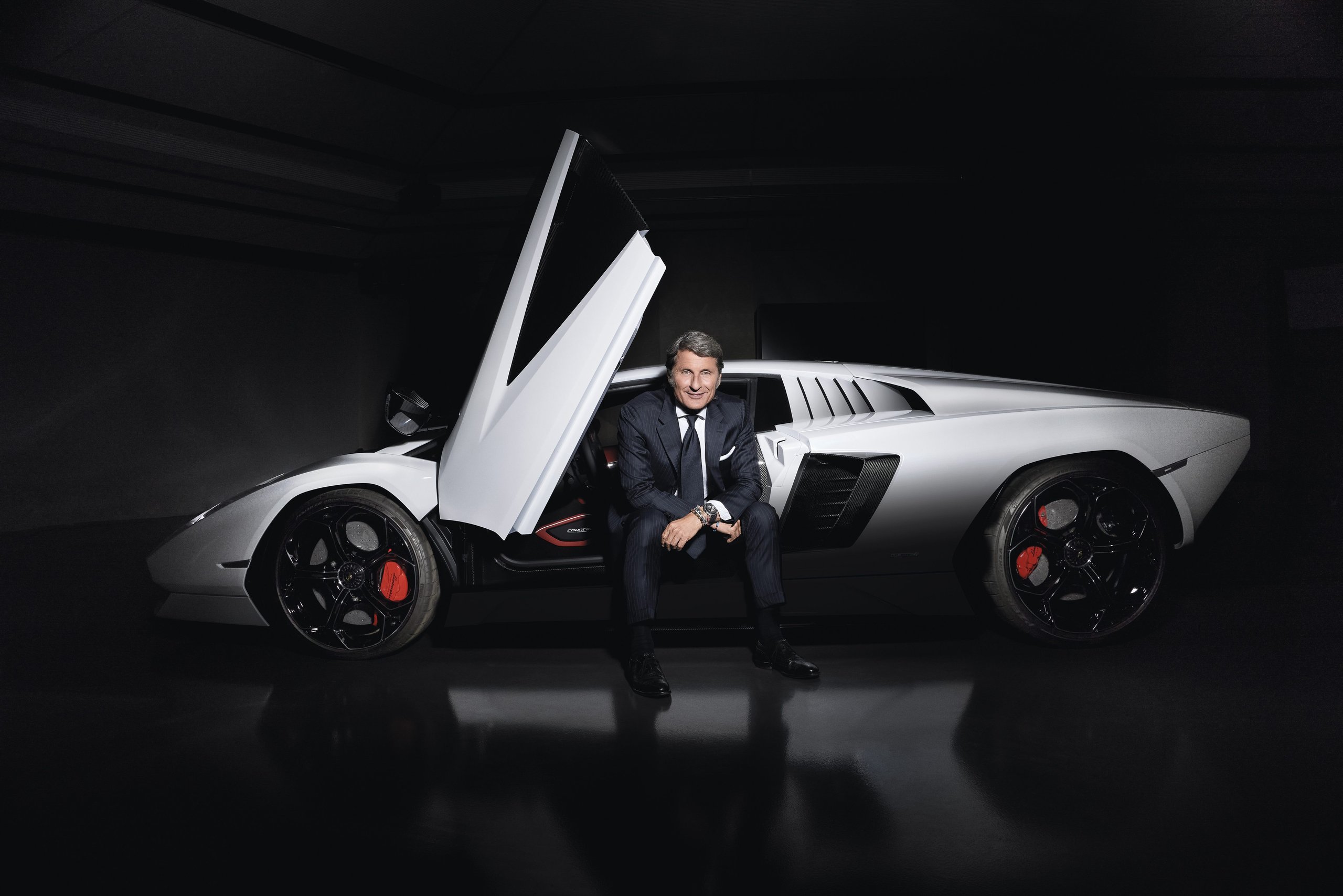
Stephan Winkelmann surveys a vibrant line of Lamborghini Huracán models on the factory floor.
Urus Carries the Volume, Sports Cars Hold the Identity
Roughly half of all Lamborghini customers chose the Urus Super SUV, with worldwide deliveries reaching 1,547 units. The other half split between the Huracán (844 units) and the Aventador, which is approaching the end of its production cycle.
That 50/50 split between the SUV and the sports cars is worth watching. The Urus transformed Lamborghini’s business when it launched, effectively doubling the company’s volume and funding the R&D pipeline that now feeds into hybrid development. But the balance matters. If the Urus share climbs too far past 50%, the brand risks diluting the supercar identity that makes the Urus desirable in the first place. Lamborghini appears to understand this tension, which is why three new product announcements are scheduled for the second half of 2022: two for the Urus and one for the Huracán.
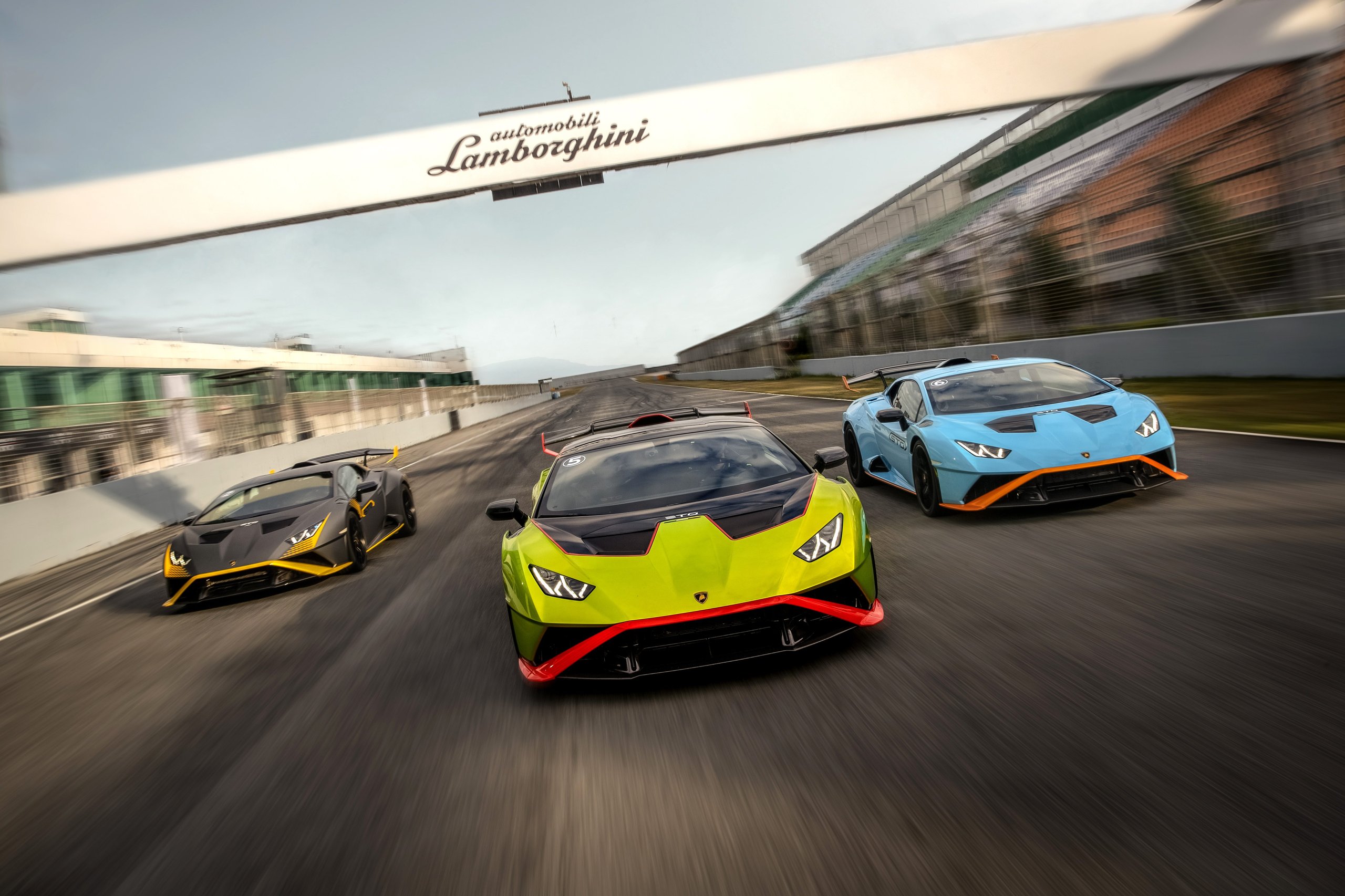
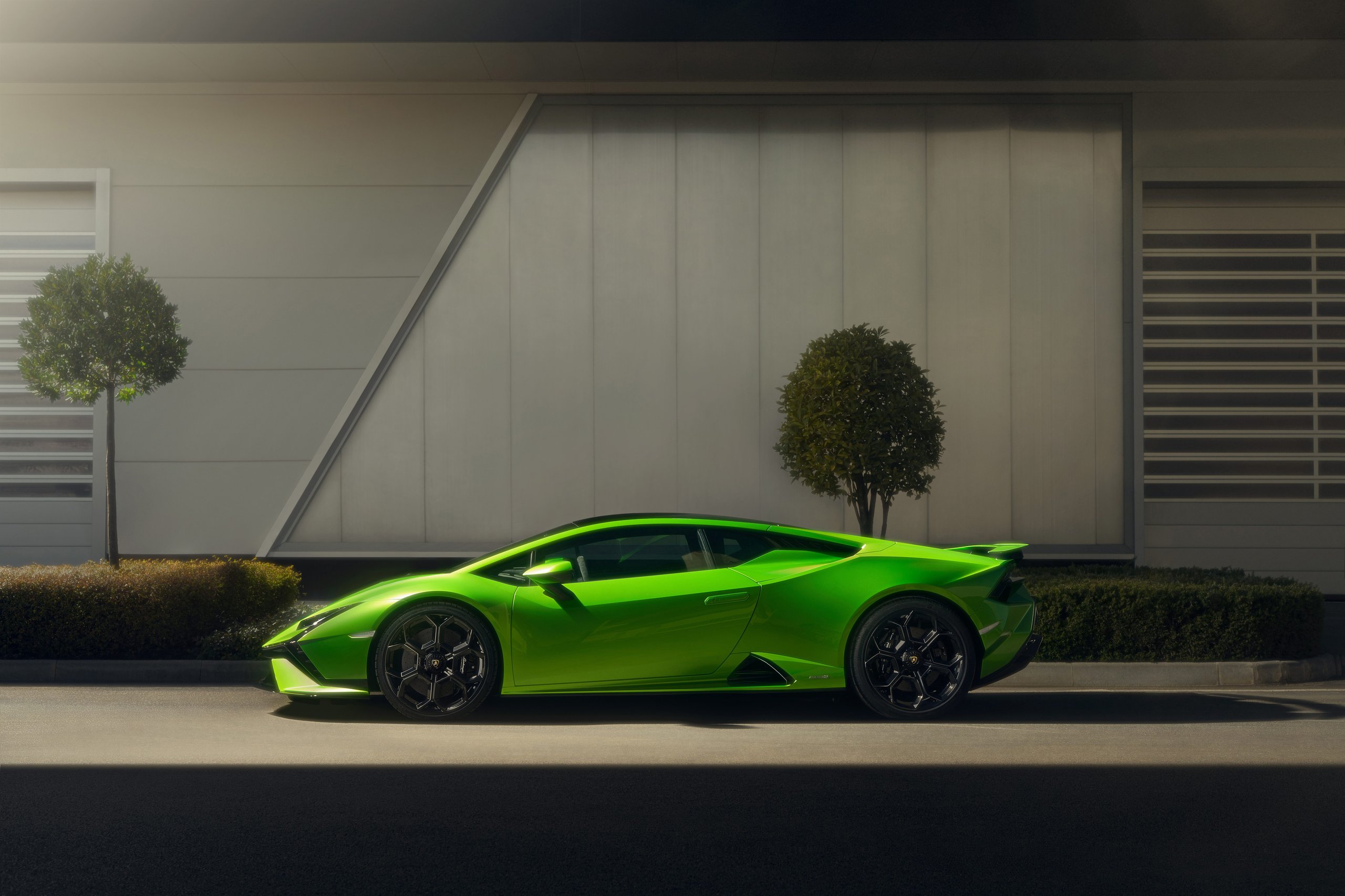
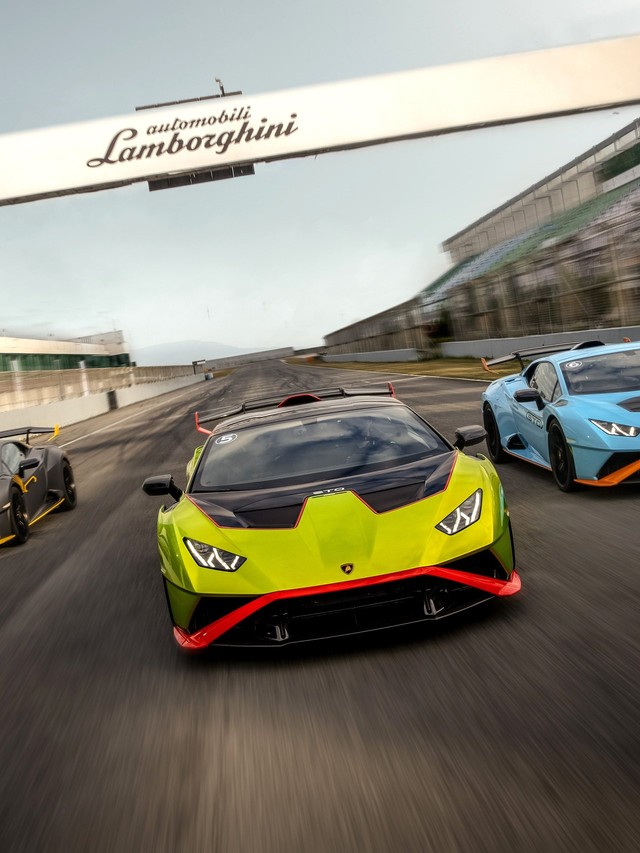
The Huracán Tecnica, revealed on April 12, already signals where the V10 lineup is heading in its final chapter. Rather than letting the Huracán fade quietly, Lamborghini is giving it a proper sendoff with targeted variants. Enthusiasts who want a naturally aspirated V10 should pay attention, because the window is closing, and the demand that created a 12-month backlog suggests these last V10 cars will be spoken for quickly.

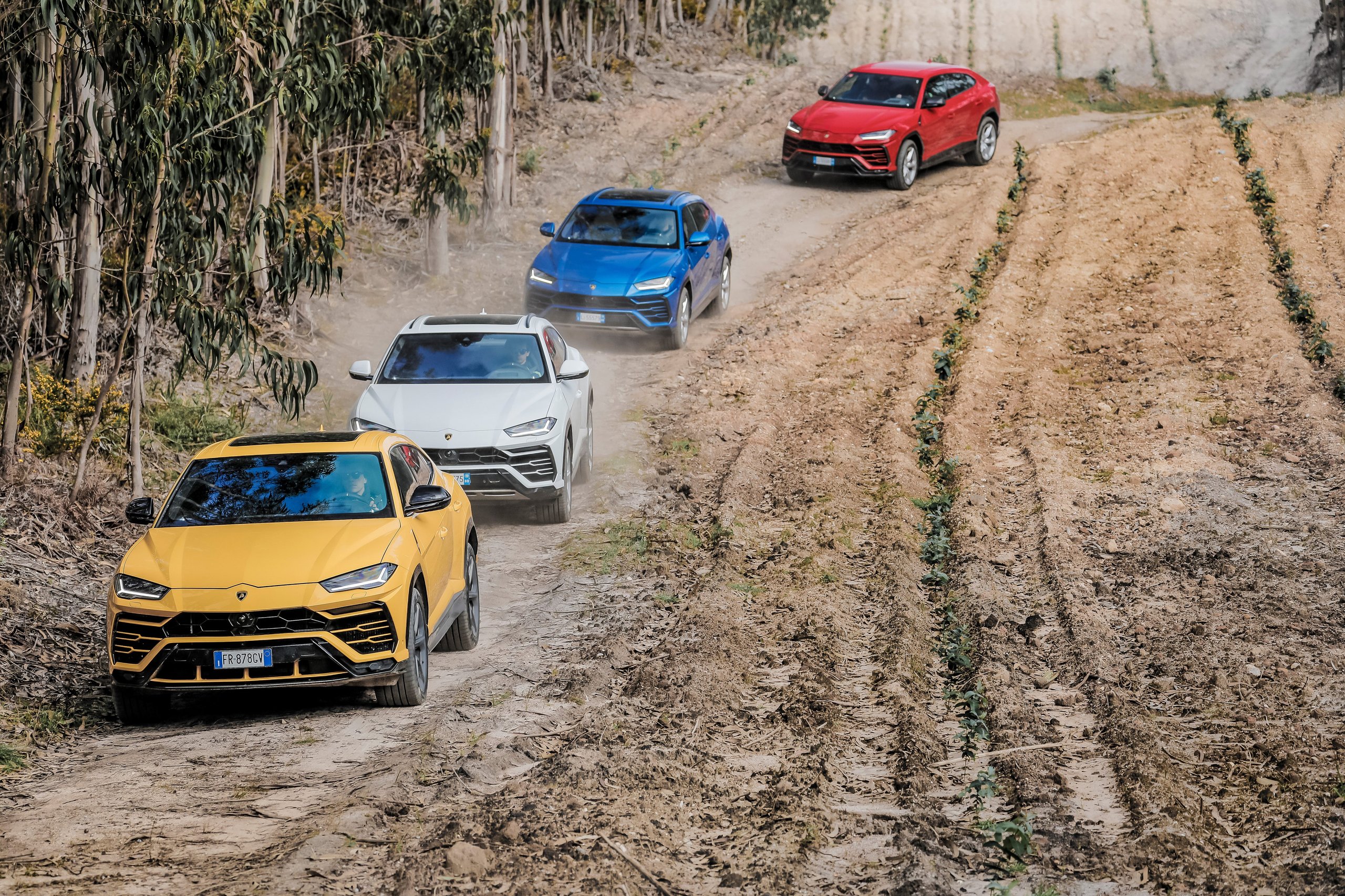
The powerful blue Lamborghini Urus conquers a dusty off-road trail under a dramatic sky.
The V12 Hybrid Looming Over Everything
Winkelmann confirmed that Lamborghini is preparing for the arrival of a new V12 hybrid model in 2023. He framed it as “a new stage in the Lamborghini story,” which is corporate language for something genuinely significant: the Aventador’s successor will be the first Lamborghini flagship to pair its V12 with electric motors.
The financial results give that transition a cushion of confidence. When you are sitting on a year’s worth of orders and a 20.2% profit margin, you can afford to take engineering risks. The V12 hybrid does not arrive out of desperation or regulatory panic. It arrives from a position of strength, which gives Lamborghini room to prioritize performance character over compliance box-checking.
How does this compare to what rivals are doing? Ferrari launched the SF90 Stradale with a twin-turbo V8 hybrid powertrain, not a V12. The 296 GTB followed the same formula. Ferrari’s V12 models, the 812 Competizione and the Daytona SP3, remained naturally aspirated through their production runs. Lamborghini is taking the opposite approach: hybridizing the V12 itself. The philosophical difference is meaningful. Lamborghini is betting that the V12’s character can survive electrification, while Ferrari chose to keep its V12 pure and electrify the smaller engine instead. Neither approach is wrong, but they reflect fundamentally different priorities about what defines a flagship.
Lamborghini has not disclosed specific power figures, drivetrain architecture, or the new model’s name. What the source confirms is timing (2023) and intent (electrification of the V12 platform). Speculation beyond that remains unconfirmed.

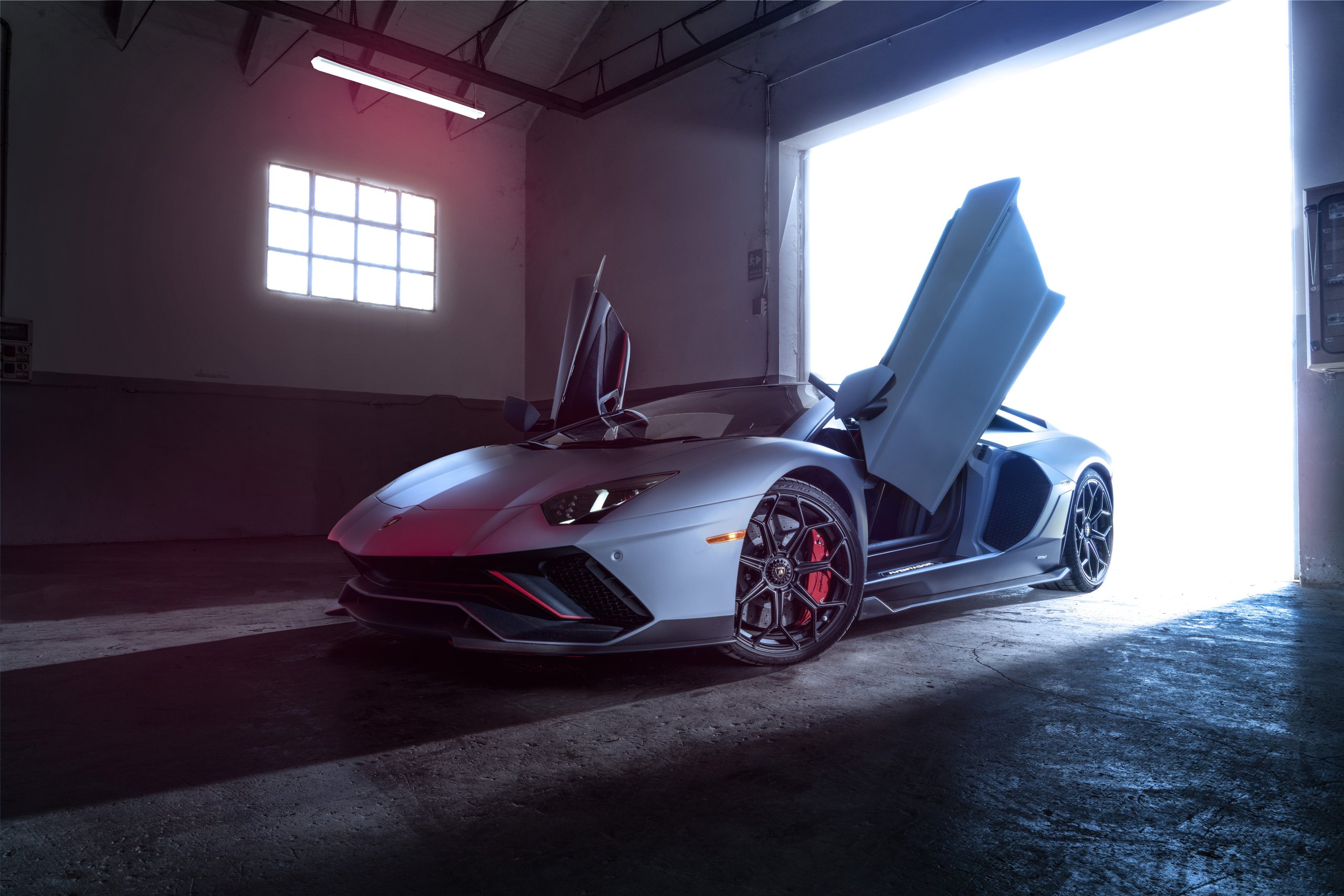
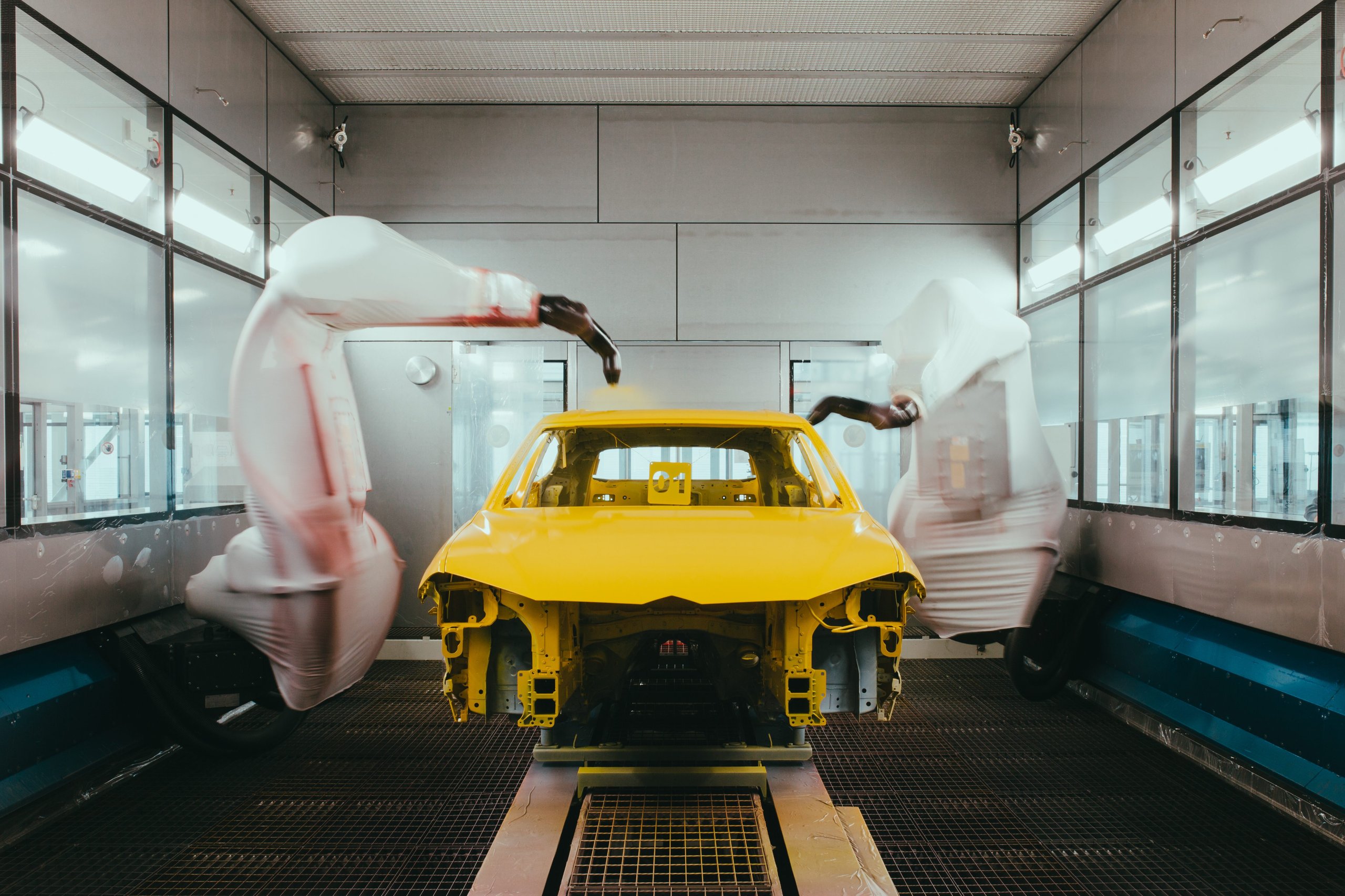
The stunning yellow Lamborghini Aventador Ultimae stands out in a modern, well-lit studio environment.
Full Order Books and the Confidence to Change
Between the Huracán Tecnica (already revealed) and the three additional product announcements scheduled for the second half of 2022, Lamborghini is running one of its most aggressive product cadences in years. Two of those announcements target the Urus, one targets the Huracán. Lamborghini has not disclosed what these models will be, but the pattern is familiar: late-lifecycle variants tend to be more focused, more collectible, and more expensive.
One detail from the financial results that often gets overlooked reinforces the broader picture. Q1 2022 turnover reached €592 million, a 13.3% increase over Q1 2021, according to one report. Operating profit climbed 25% to €178 million. Revenue growth outpacing volume growth is the clearest sign that Lamborghini’s pricing power remains intact, likely driven by personalization programs and limited-edition premiums. The company is not just selling more cars. It is selling them at higher average transaction prices, even as it prepares to electrify its entire lineup.
That thread connects every number in this quarterly report. Record deliveries, a year-long backlog, rising transaction prices, and a profit margin that funds ambitious engineering all point to the same conclusion: Lamborghini enters its hybrid era from a position no previous generation of leadership enjoyed. Full order books, record profitability, and a customer base willing to follow the brand into unfamiliar powertrain territory. The real test comes when the V12 hybrid arrives and buyers decide whether electrification enhances or compromises what made these cars worth waiting a year to own.

The striking green Lamborghini Huracán Tecnica gleams under the sunlight on an urban street.
Gallery