Lamborghini Plants Its Flag in São Paulo
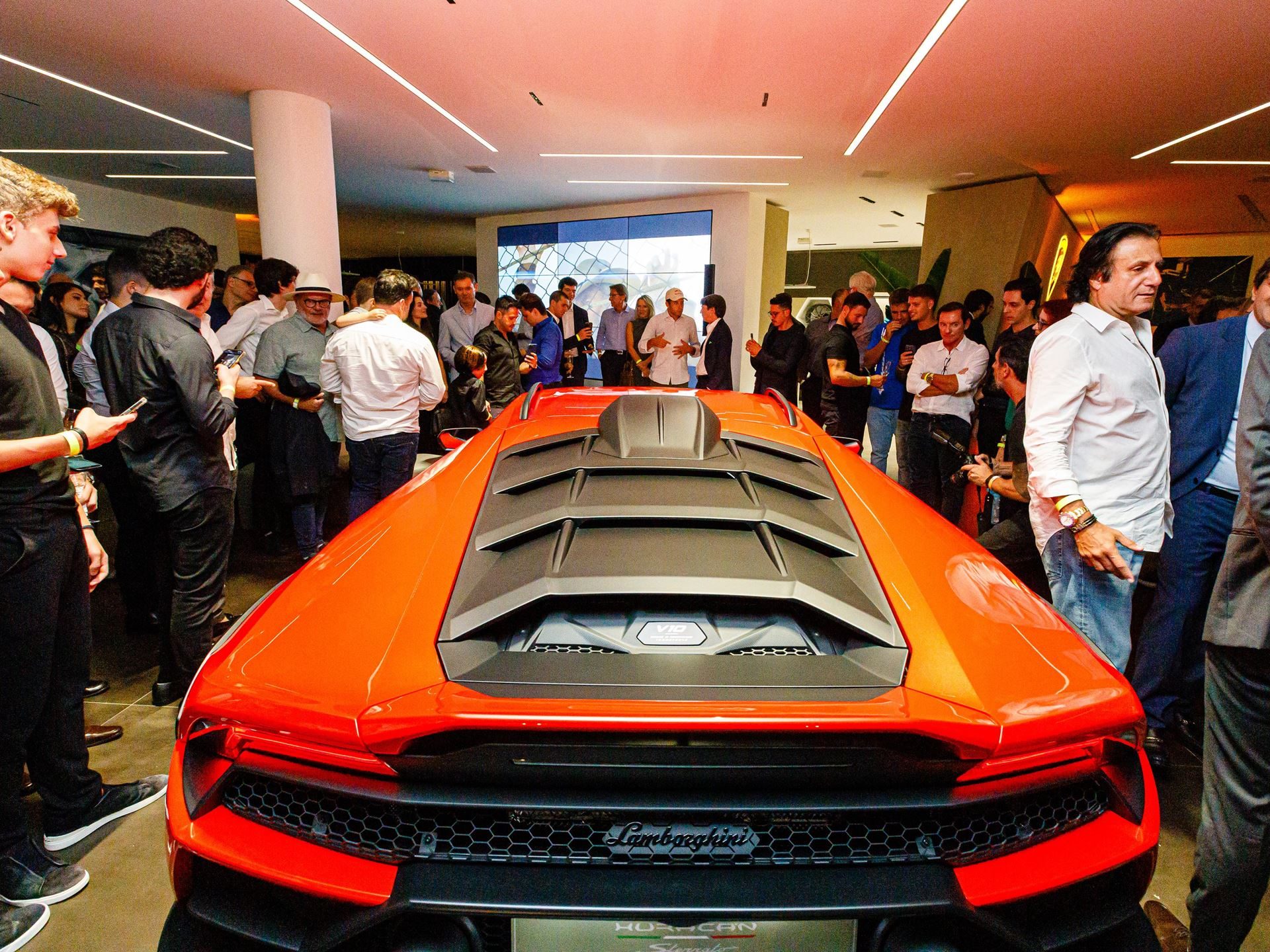
CEO Stephan Winkelmann, Chief Marketing and Sales Officer Federico Foschini, and Lamborghini America CEO Andrea Baldi cut the ribbon on the brand’s first São Paulo showroom in March 2024, turning the Pinheiros district into Lamborghini’s newest retail outpost. The centerpiece of the evening was the South American debut of the Huracán Sterrato, an all-terrain V10 supercar that, by any rational measure, should not exist. Its presence on the showroom floor told a sharper story than any corporate strategy slide could: Lamborghini is using a naturally aspirated farewell model to warm up a market that will soon receive only hybrids.
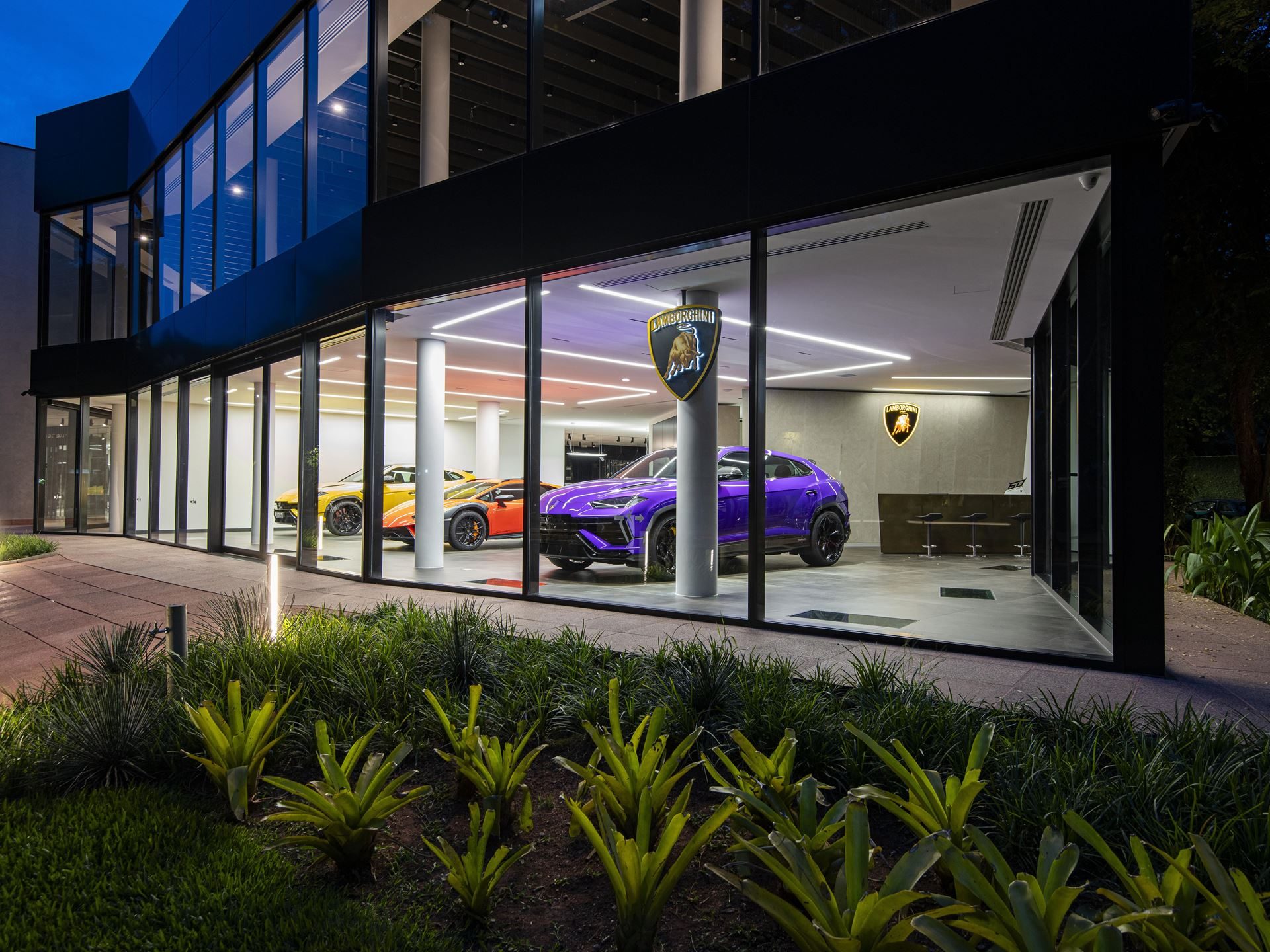
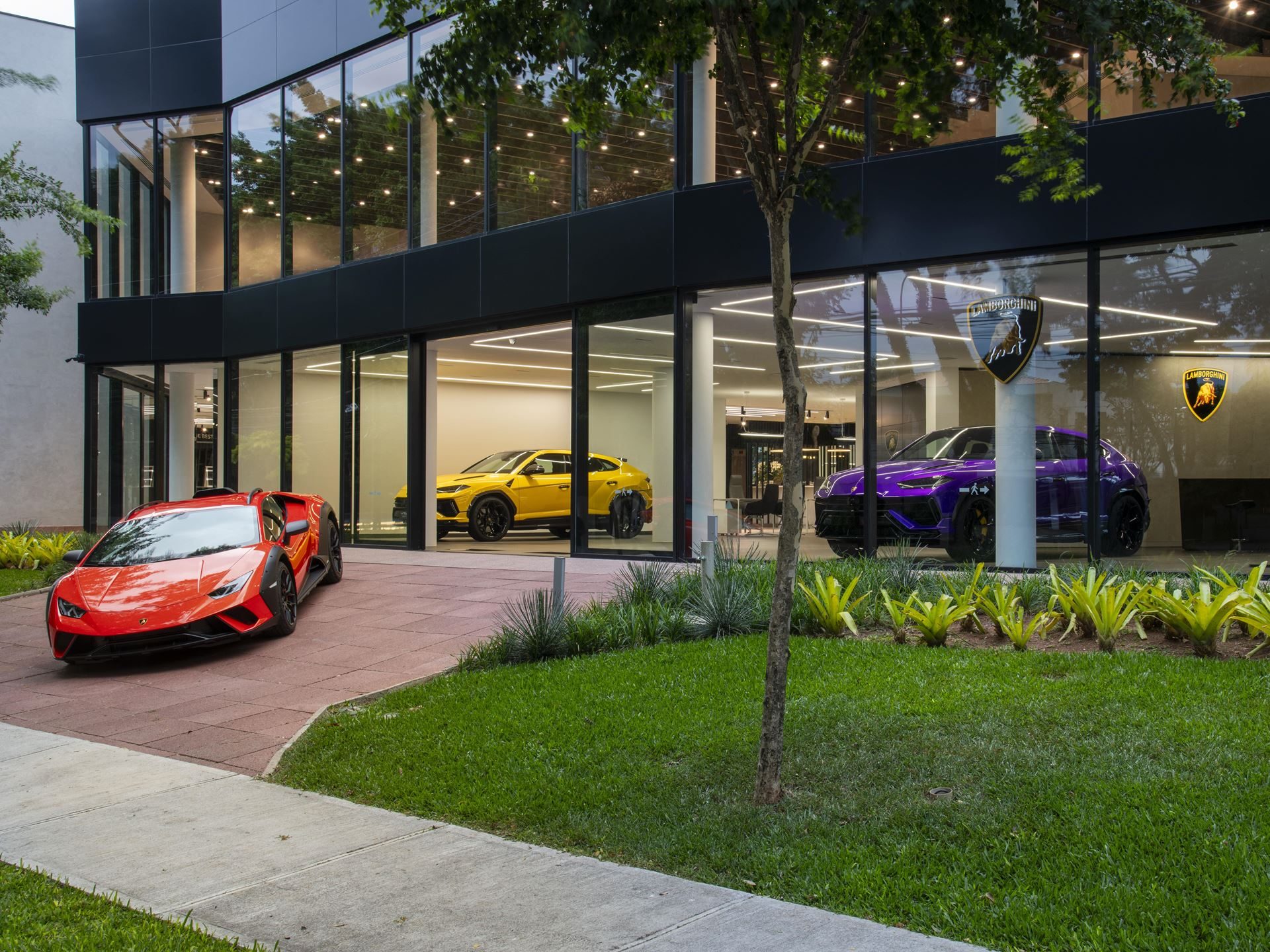
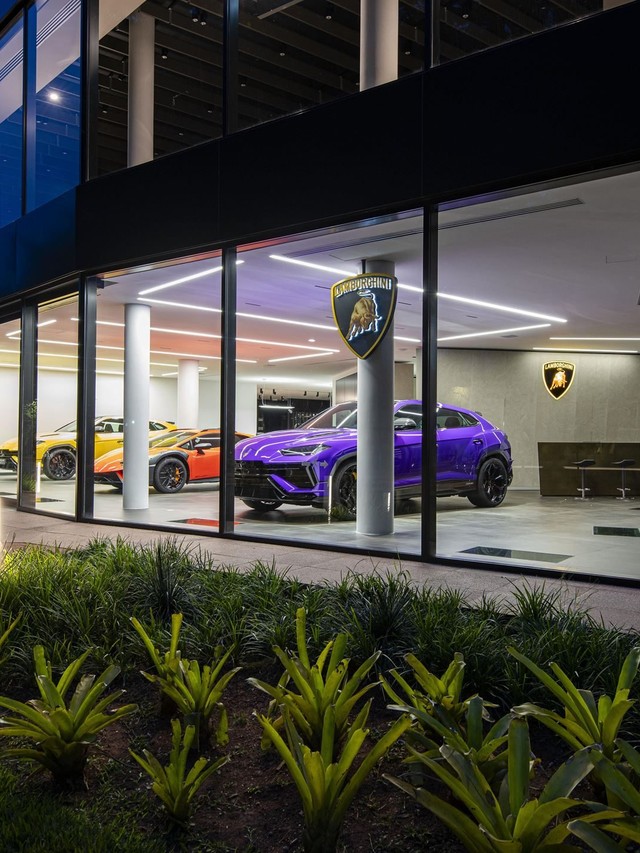
The facility, located at Av. Pedroso de Morais 2274, features floor-to-ceiling glass that puts the cars on permanent display to street traffic. Inside, the Huracán Tecnica, the Urus Performante, and the Urus S filled the floor, but the Sterrato drew the crowd. Winkelmann framed the opening as a direct extension of the company’s Direzione Cor Tauri electrification roadmap, a connection that might seem odd until you consider the deliberate sequencing at work. Lamborghini did not open this showroom with the Revuelto or the forthcoming Temerario. It chose a limited-run, naturally aspirated V10 that represents the end of a combustion era, giving Brazilian buyers a visceral reason to walk through the door before the next chapter arrives.

Stephan Winkelmann and partners celebrate the grand opening of the new Lamborghini São Paulo showroom.
Why São Paulo Matters More Than the Map Suggests
Brazil’s largest city is already a well-established luxury automotive market, and Lamborghini’s decision to plant a dedicated showroom here reflects a broader push into the Americas region. The Americas accounted for 3,465 deliveries in 2023, a 9% increase over the prior year, within a global total exceeding 10,000 units (up 10% year over year). Those numbers matter because they fund what comes next: the full hybridization of the lineup.
The São Paulo location joins a showroom in Lima, Peru, giving Lamborghini two dedicated retail spaces on the continent as it prepares to deliver hybrid models across the region. For prospective owners stepping into a Lamborghini showroom for the first time, the message is unmistakable: experience the V10 now, because the successor sounds different. Record global sales funded the expansion. The Sterrato gave it an emotional launch vehicle. And the infrastructure is built not for nostalgia, but for the cars that follow.
The Sterrato’s Quiet Statement
The Huracán Sterrato sits nearly two inches higher than a standard Huracán, rides on Bridgestone all-terrain tires, and features 6.4 inches of ground clearance. Its 5.2-liter naturally aspirated V10 produces 610 horsepower, reaches a top speed of 260 km/h, and fires to 100 km/h in 3.4 seconds. Those figures are slightly lower than the track-focused Huracán variants, and that is entirely the point. The Sterrato was never meant to chase lap times; it was meant to prove that a V10 Lamborghini could go places no one expected.
One report from Car and Driver describes the Sterrato as possibly the best Huracán for daily driving, noting that the Bridgestone A/T rubber still provides decent grip on pavement. According to one source, all 1,499 units of the production run are spoken for. For South American buyers encountering the car for the first time at the São Paulo showroom, the practical takeaway is straightforward: the Sterrato is a collector piece, not a catalog item you can casually order. Forum discussion on Lamborghini-Talk suggests some buyers are still searching for unclaimed allocations, which tells you everything about residual demand for the last pure-combustion Huracán. That scarcity only sharpens the showroom’s role as a bridge between eras: come for the V10 you cannot have, stay for the hybrid you can configure.

Stephan Winkelmann stands proudly beside the rugged Huracan Sterrato at the new Lamborghini showroom.
Ad Personam as a Competitive Weapon
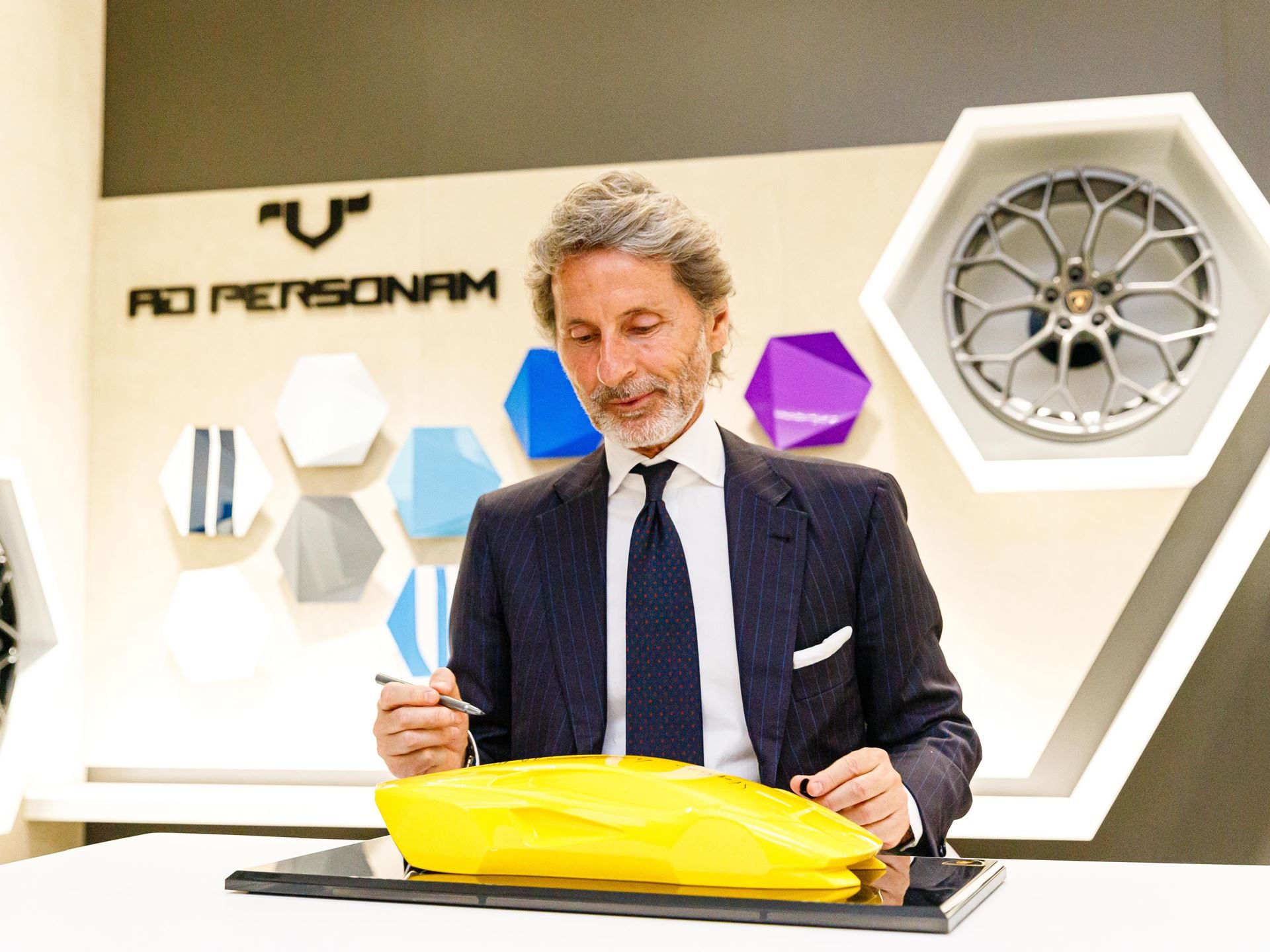
Every major supercar manufacturer offers some form of bespoke specification program. Ferrari calls it Atelier and Tailor Made. Porsche runs its Exclusive Manufaktur division. Lamborghini’s equivalent, Ad Personam, occupies a dedicated room inside the new São Paulo showroom, complete with material samples, wheel options displayed on the walls, and a consultation table where buyers configure their cars in person.
The distinction Lamborghini draws is one of theater. Where some competitors handle customization through digital configurators or offsite consultations, Lamborghini embeds the experience inside the showroom itself. Winkelmann was photographed signing a scale model at the Ad Personam station during the opening, a small gesture that underscores how central personalization is to the brand’s retail identity. For buyers spending well into six figures, the ability to sit in a curated room and physically handle leather swatches and carbon fiber samples is not a gimmick. It is the difference between ordering a car and commissioning one, and it ensures that when the Revuelto and Temerario arrive in Brazil, buyers will configure them in a room purpose-built for the task.

The Ad Personam studio offers a world of bespoke customization for discerning Lamborghini clients.
Direzione Cor Tauri Reaches South America
Lamborghini’s Direzione Cor Tauri strategy, named after the brightest star in the Taurus constellation, maps the company’s transition from pure combustion to full hybridization and, eventually, electrification. The hybridization phase began in 2023 with the Revuelto, which Lamborghini calls its first HPEV (High Performance Electrified Vehicle) hybrid super sports car. The Temerario, with its twin-turbo V8 hybrid powertrain, follows as the Huracán’s successor.
Opening a new showroom in São Paulo at this precise moment positions the dealership to receive those hybrid models as they enter production. The Sterrato debut served as the emotional hook, the last roar of the naturally aspirated V10, but the real investment is in what follows. Lamborghini did not confirm specific timelines for hybrid deliveries to the Brazilian market, and the company’s broader South American strategy remains undisclosed beyond the São Paulo and Lima locations. What the event does confirm is intent: Lamborghini is investing in physical retail presence in regions where it expects to grow, not retreating into digital-only sales channels the way some competitors have experimented with. The São Paulo showroom is a small but telling data point in that trajectory, built to bridge the gap between the combustion cars that created the demand and the electrified ones that will sustain it.

The sleek interior of the Lamborghini showroom proudly displays the iconic shield and two dynamic models.
Gallery