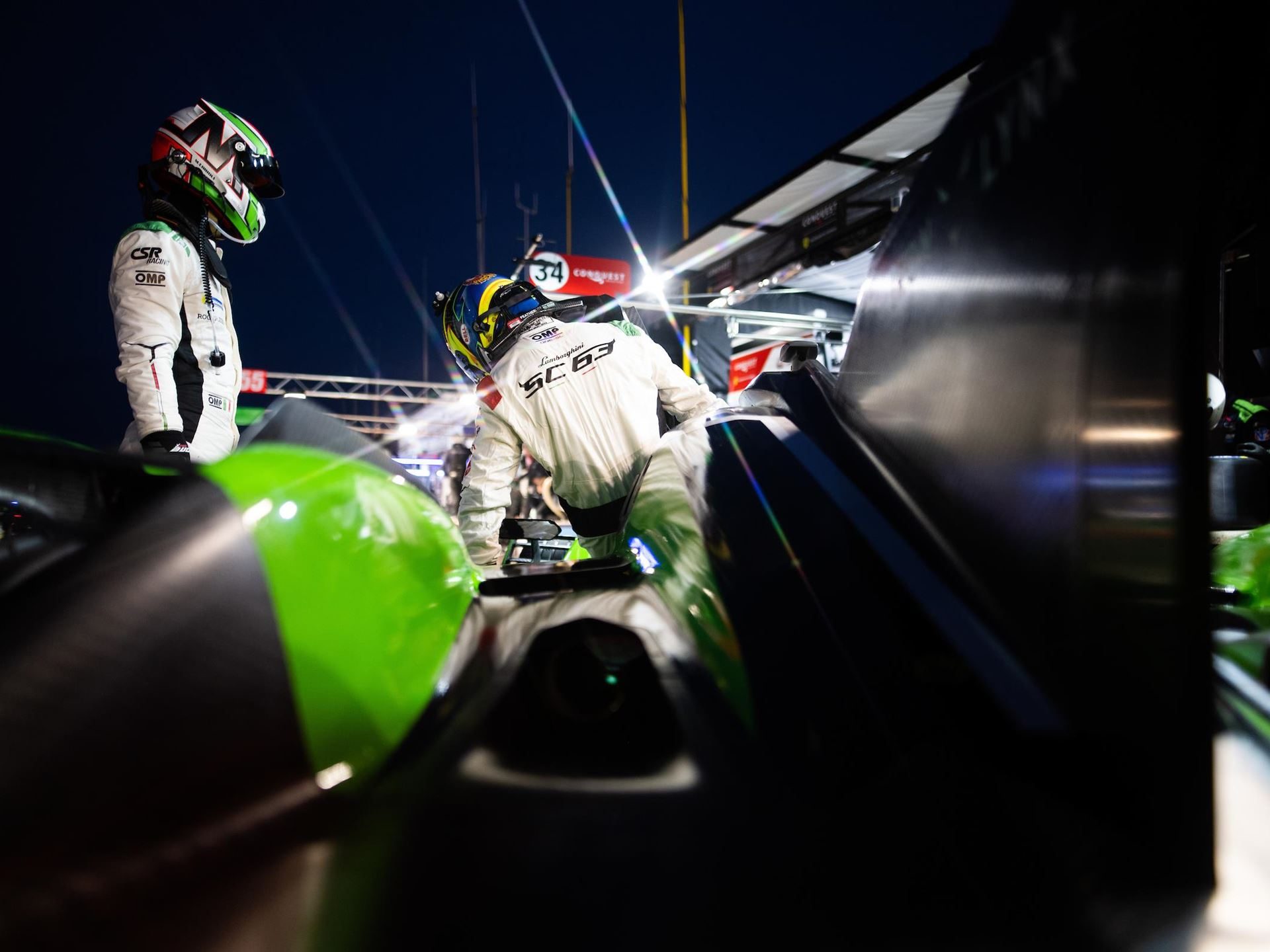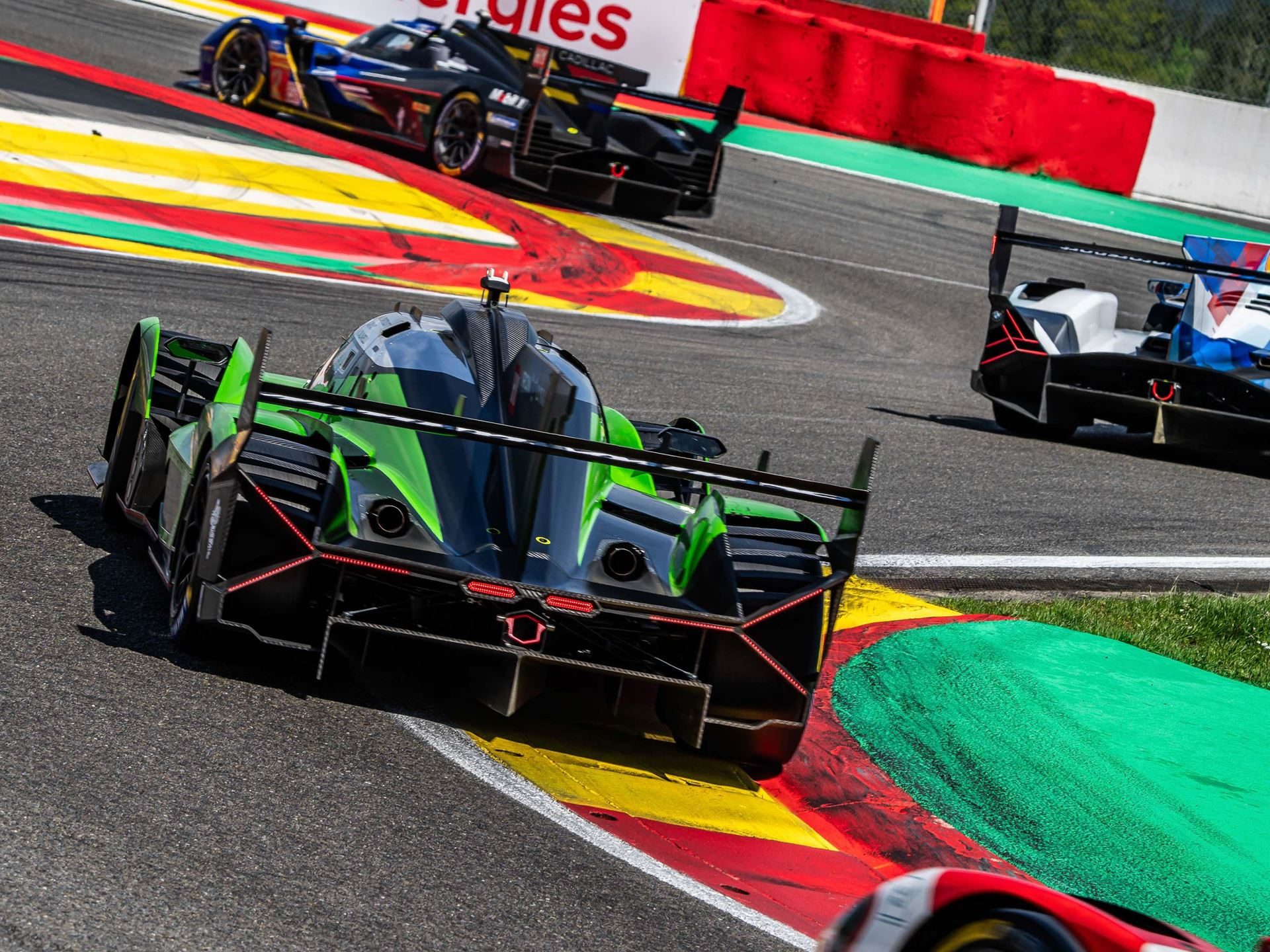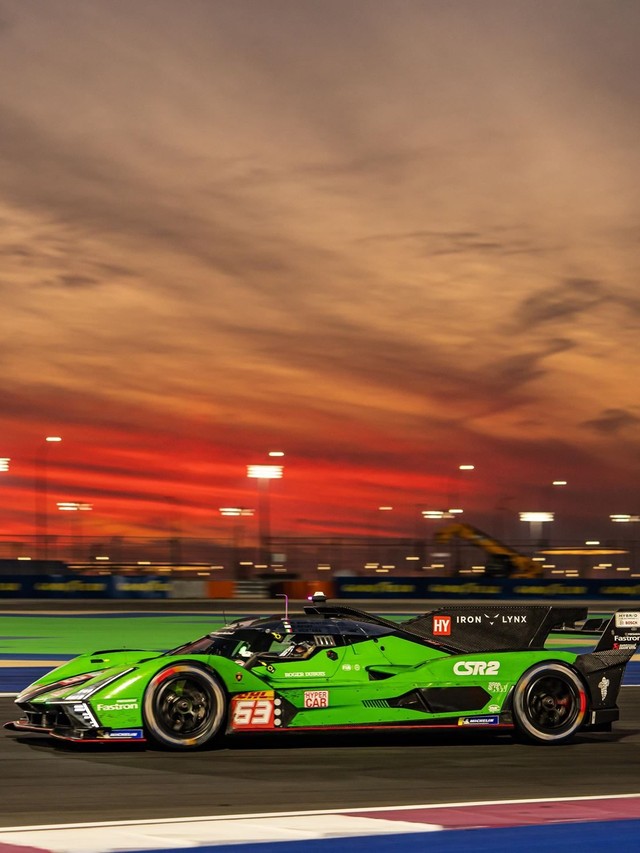
Two SC63s, One Historic Weekend
Lamborghini Squadra Corse and partner team Iron Lynx are bringing a two-car SC63 entry to the Circuit de la Sarthe for the 2024 24 Hours of Le Mans, turning what Lamborghini describes as the most significant race in the company’s history into a genuine program milestone. The event lands at the midpoint of the SC63’s first full season of competition, and the car arrives with a short but telling record: points on the board in two different championships, measurable improvement from race to race, and one painful retirement that exposed just how thin the margins are at this level.
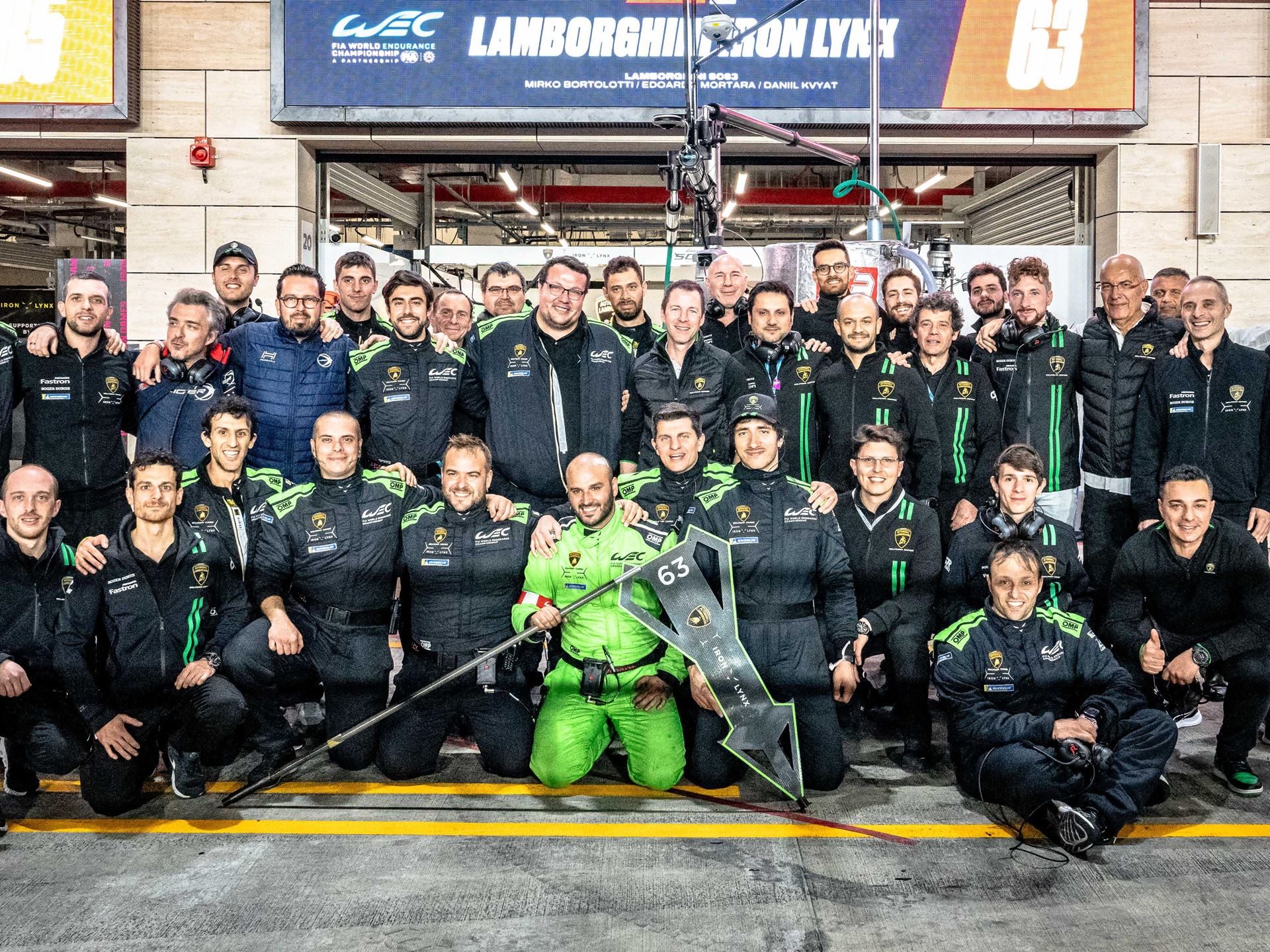
The No. 19 car pairs IMSA regulars Matteo Cairoli, Andrea Caldarelli, and former Formula 1 driver Romain Grosjean. The No. 63 entry features Mirko Bortolotti, ex-F1 racer Daniil Kvyat, and Edoardo Mortara, with Jordan Pepper serving as the team’s reserve driver for the week. For a brand that built its modern motorsport reputation on GT3 customer racing, fielding two factory prototypes against the likes of Toyota, Porsche, and Ferrari at Le Mans represents a different kind of ambition entirely. Everything the SC63 has done since March, the points, the finishes, the cracked axle at Spa, feeds into this single weekend.
Qatar to Spa: What Four Races Revealed
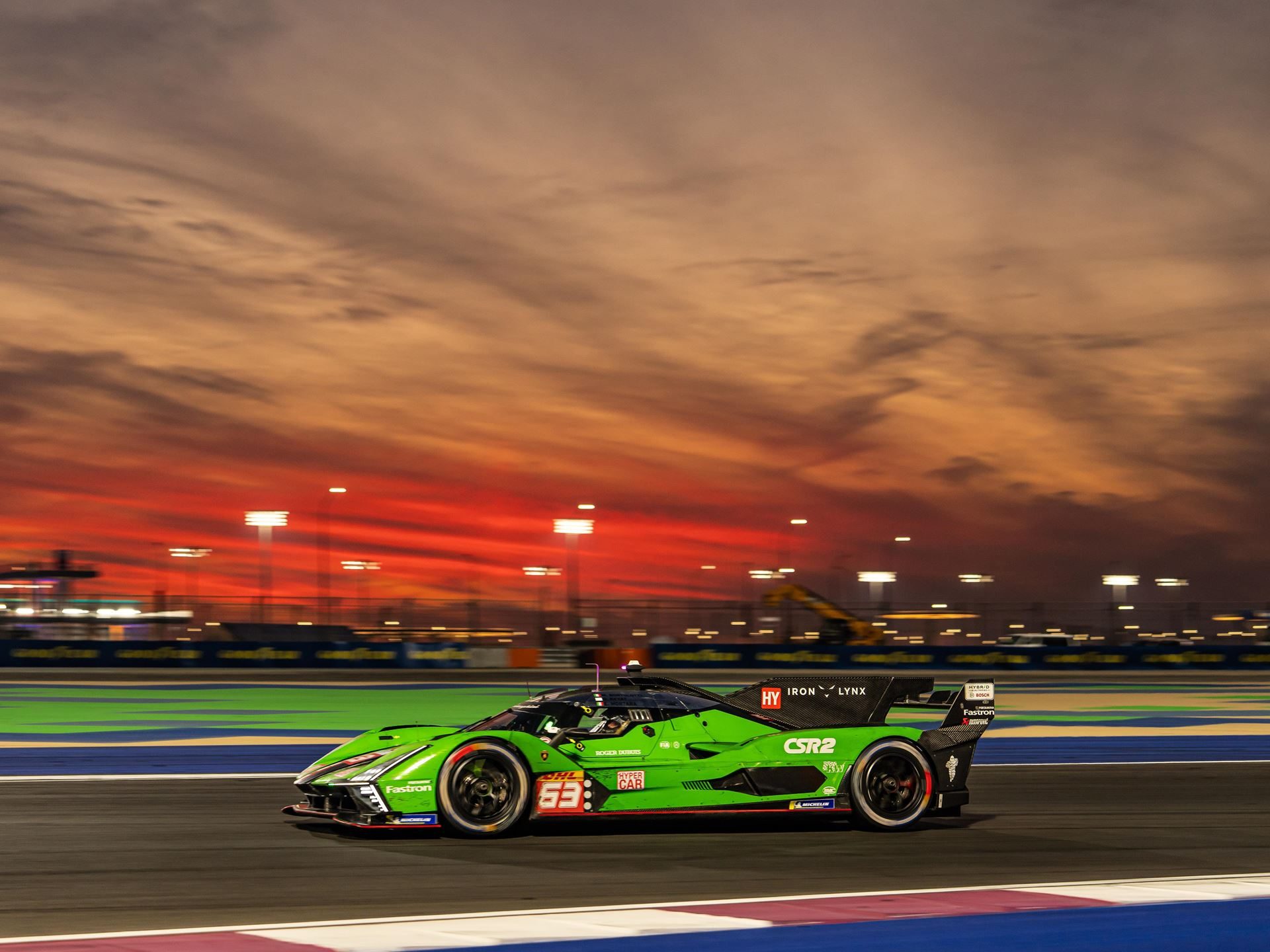
The SC63’s competitive life began in March at the Qatar 1812km, a brutal 10-hour opener to the WEC season. Kvyat qualified the car 18th, and while Lamborghini acknowledged that one-lap and longer-run pace fell short of expectations, the prototype completed the grueling event intact. A late suspension issue cost four laps, but the car was classified 13th after post-race penalties reshuffled the order. Finishing ahead of more established crews on debut counted as a small win for a program that Lamborghini says went from its first shakedown in August 2023 to a WEC grid in barely seven months.
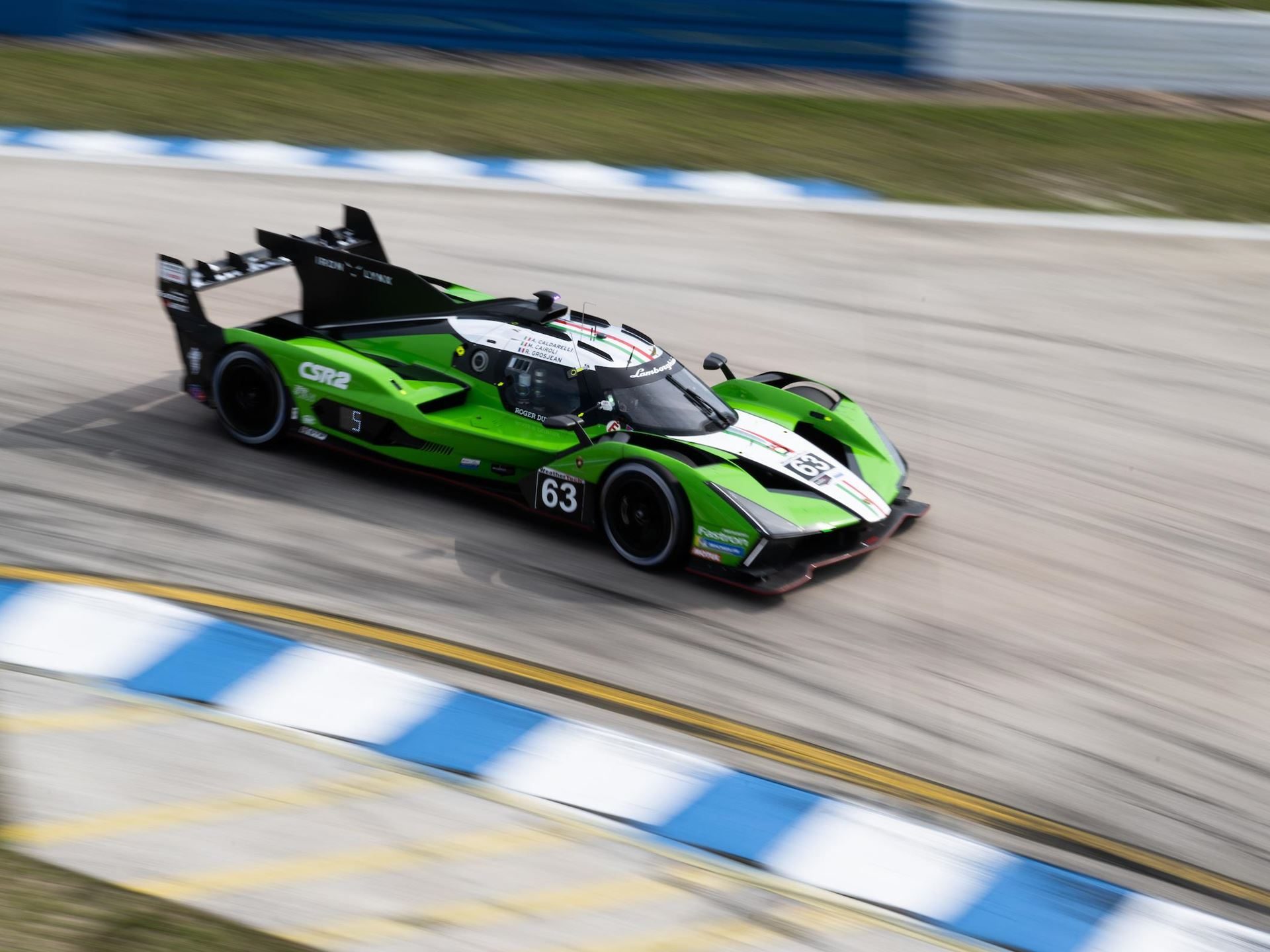
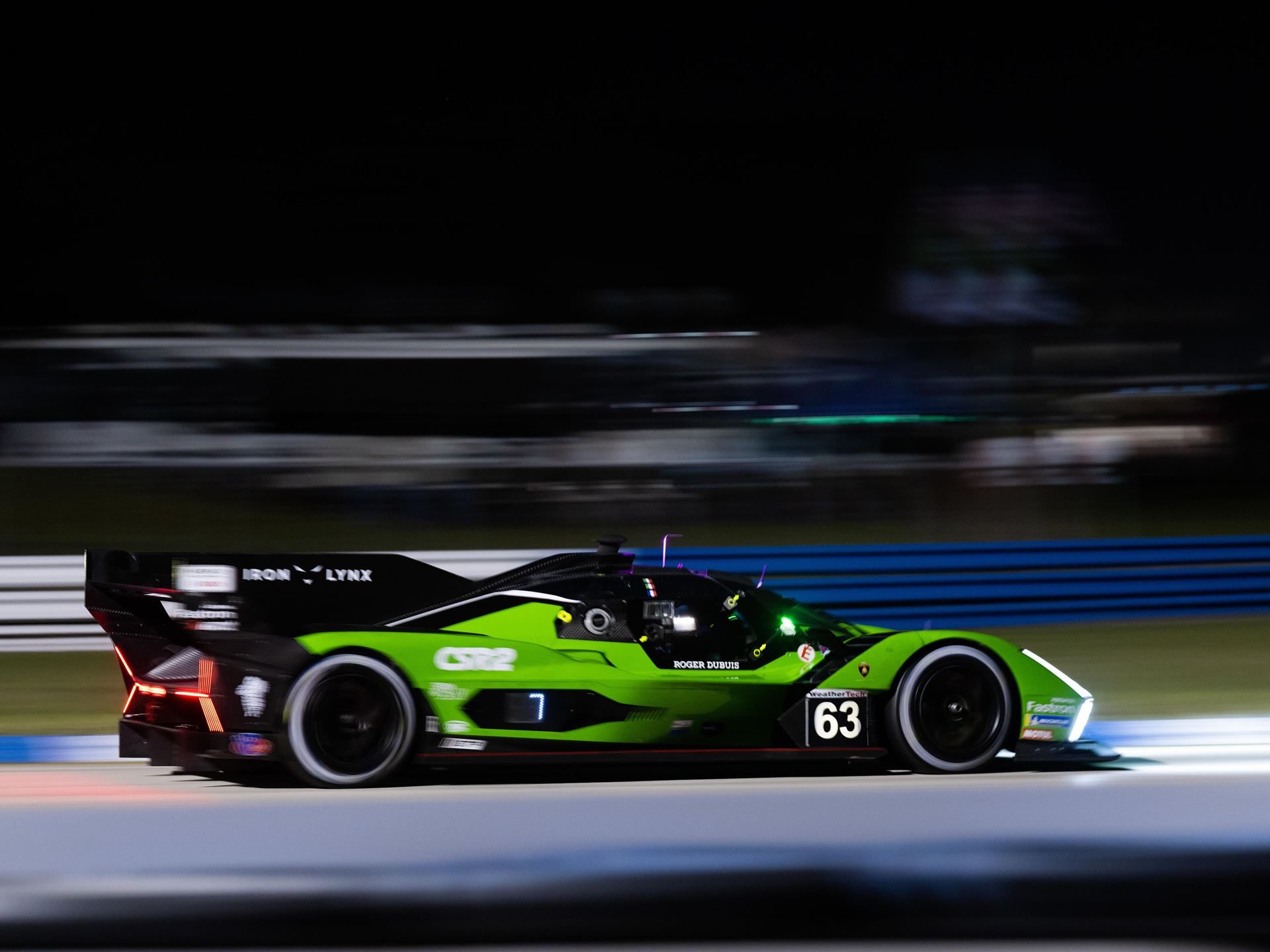
Two weeks later, the IMSA crew took over at the 12 Hours of Sebring. Cairoli qualified eighth before a red flag cut the session short, and tire warm-up after pit stops gave the engineering team a recurring homework assignment. A minor door issue forced an extra stop during Grosjean’s stint, but the Frenchman kept the car on the lead lap through the Florida night. Seventh place and the program’s first drivers’ championship points made Sebring the strongest result of the opening stretch.
Imola, the only Italian round on the WEC calendar, produced what Lamborghini calls the best all-round weekend of the first half. Bortolotti posted the fourth-quickest time in free practice, and the car finished 12th despite recurring steering issues and chaotic weather that scrambled strategies across the field. More manufacturer points followed.
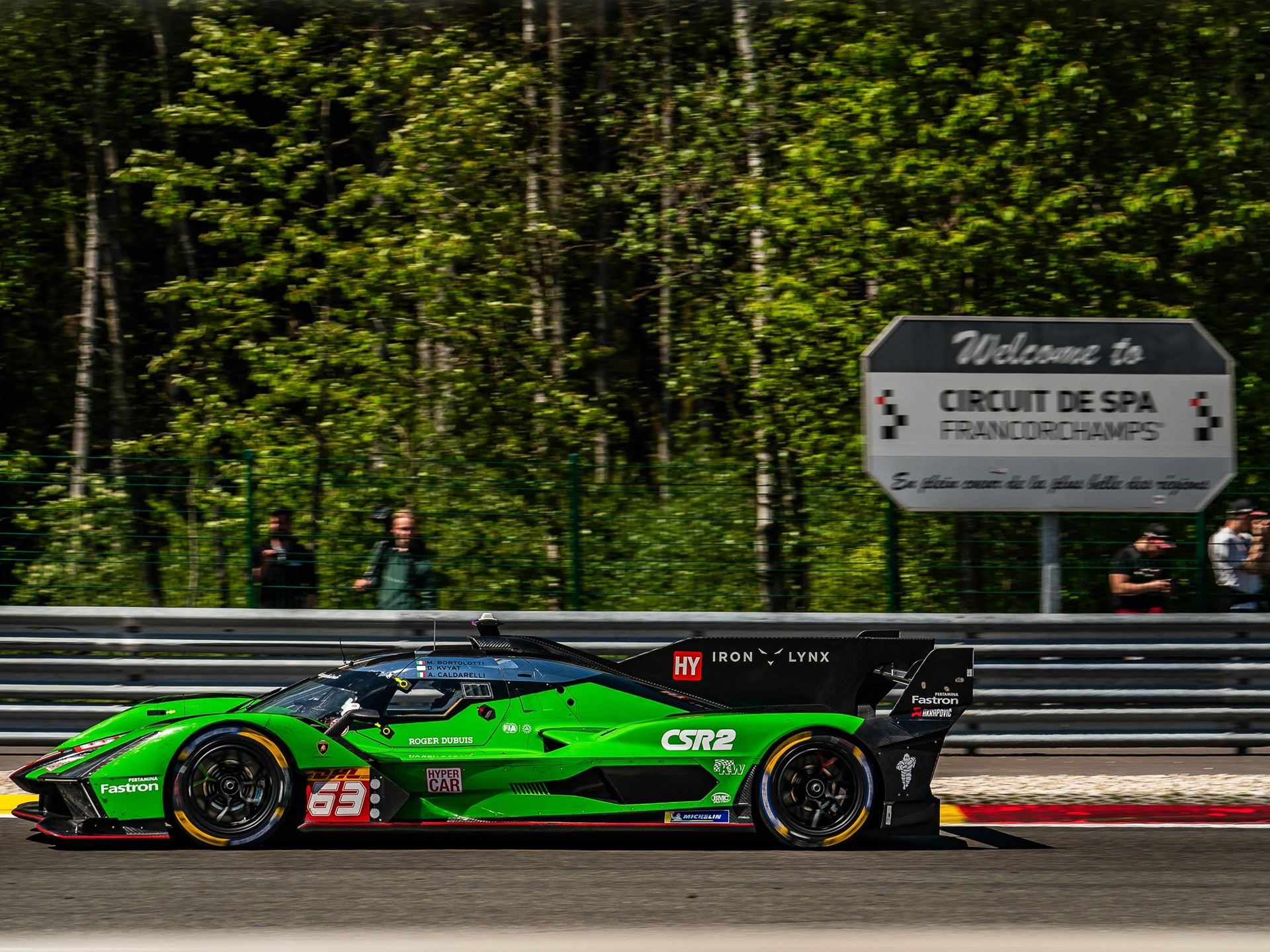
Then Spa-Francorchamps broke the streak. A cracked axle triggered a rear suspension failure with Caldarelli (standing in for Mortara) at the wheel, ending the race before halfway and delivering the SC63’s first retirement. The team framed the weekend as an extended test session, pointing to useful long-run data and setup learning, but the result underscored a basic reality: at this level, reliability is not a permanent achievement. It requires constant defense. That lesson now travels directly to Le Mans, where 24 hours of racing will test every fix the team has made since Belgium.

What Le Mans Asks That No Other Race Does
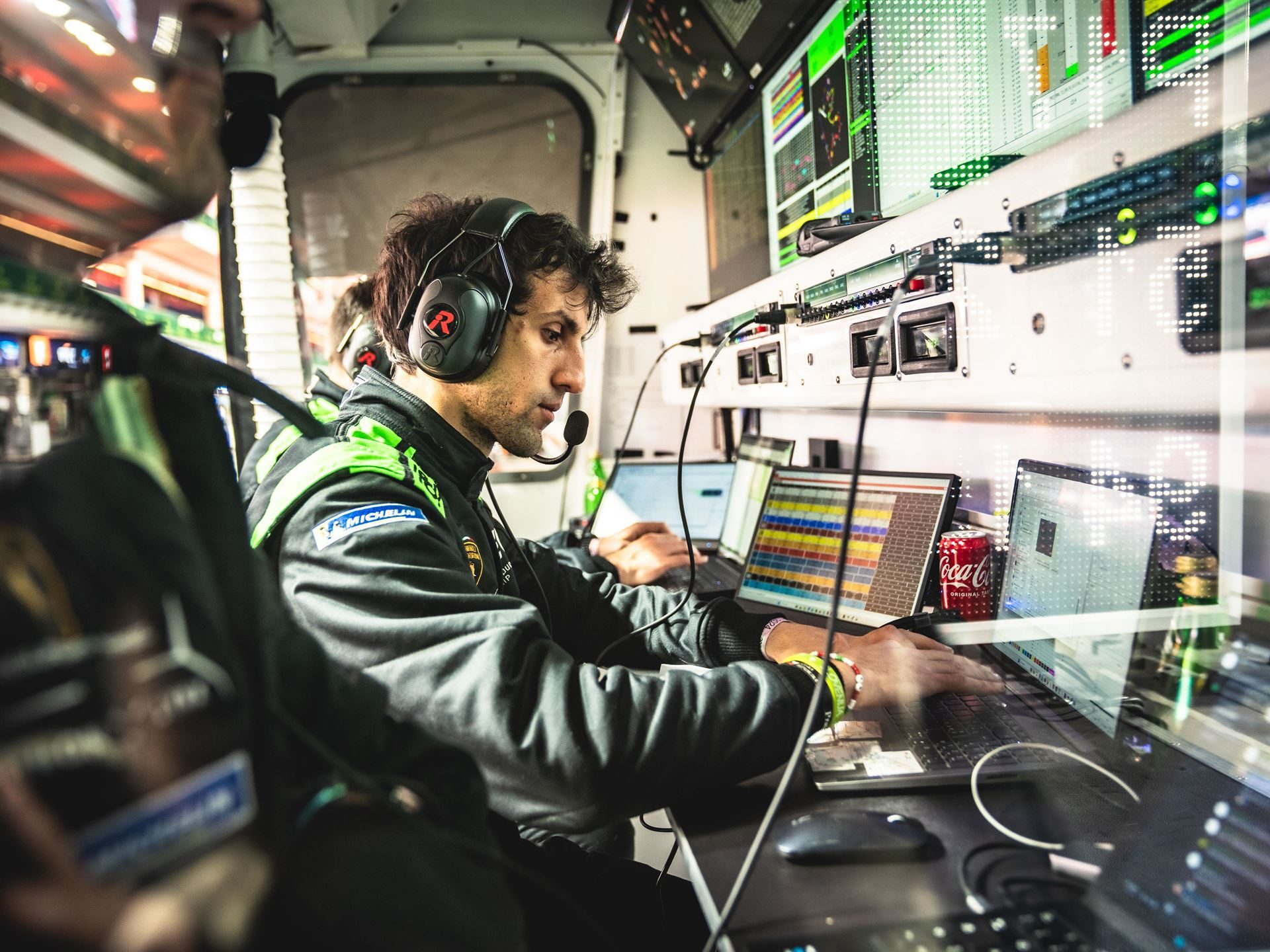
Running a single car in WEC and a single car in IMSA limits the data Squadra Corse and Iron Lynx can gather at any given event. Le Mans changes that equation. With two SC63s on the same circuit at the same time, the team doubles its real-time information flow: different setup directions, different tire strategies, different driver feedback loops all feeding the same engineering group over 24 hours.
Lamborghini says the bulk of its engineering and technical staff work across both the WEC and IMSA projects, so the Le Mans weekend also consolidates personnel who normally split their attention between continents. For a program still learning its own car, that concentration of resources matters more than it would for a manufacturer running prototypes for a third or fourth consecutive year.
The practical challenge is equally clear. Le Mans is the longest, fastest, and most punishing race on the calendar. The SC63 finished every event it entered before Spa. One cracked axle ended that run. Surviving 24 hours at La Sarthe, where cars routinely exceed 330 km/h on the Mulsanne straight and brake from those speeds into tight chicanes hundreds of times, will test every component the team has improved since March. Lamborghini frames the season so far around improving performance and encouraging reliability. Le Mans will pressure both of those claims simultaneously, in public, for an entire day and night.

A New Prototype Against Established Rivals
Context matters when reading the SC63’s early results. Lamborghini describes this as the first dedicated prototype racing car developed by Squadra Corse. The brand’s modern motorsport credibility was built on the Huracan GT3 platform, a customer car that dominates grids worldwide. Jumping from GT3 to the Hypercar and GTP classes means competing against manufacturers who have spent years, and in some cases decades, developing factory prototype programs.
Lamborghini says the team has made substantial progress against those established brands, and the evidence from the first four races supports cautious optimism rather than a breakthrough narrative. Points scored in both WEC and IMSA. A lead-lap finish at Sebring. Manufacturer points at Imola. Those are real, tangible results for a program that went from formal announcement in May 2022 to its first race less than two years later.
The gap to the front of the Hypercar field remains significant, though, and Lamborghini’s own language acknowledges as much. The company talks about learning, about homework, about improving lap-time and race pace. Nobody at Sant’Agata Bolognese is claiming podium contention at Le Mans. The goal, stated and implied, is to compete credibly, finish reliably, and accumulate the kind of race-distance data that no amount of private testing can replicate. Le Mans offers more of that data in a single weekend than any other event on the calendar.

The Driver Lineup and What It Signals
Lamborghini’s driver selections for Le Mans tell their own story about where this program sits. Grosjean brings 179 Formula 1 starts and serious endurance credibility. Kvyat, another F1 veteran, adds top-tier open-wheel experience. Mortara won the 2023 Formula E championship. Bortolotti is a Lamborghini factory stalwart who knows Squadra Corse’s culture from the inside. Cairoli and Caldarelli round out the roster with deep GT racing backgrounds.
This is not a lineup built around one marquee name. It spreads experience across both cars, ensuring each entry benefits from a driver who can develop the car’s setup as much as race it. That balance reflects where the SC63 program is: still gathering information, still refining, still building its understanding of how the car behaves across different circuits and conditions. Pepper’s role as reserve driver also means the team has a seventh prepared driver available if Le Mans week throws the kind of curveball that 24-hour races routinely deliver.
For Lamborghini enthusiasts watching from outside the pit wall, the roster signals genuine investment. These are professionals chosen to extract the maximum from a car that Lamborghini admits is still on its learning curve, not to fill seats.

From Announcement to Grid in Under Two Years
The SC63 timeline compresses what most manufacturers spread across three or four years into a much tighter window. Lamborghini formally announced the project on May 17, 2022. Iron Lynx joined as the official LMDh partner that November. The car was unveiled to the press at the Goodwood Festival of Speed in July 2023, completed its first shakedown at Vallelunga weeks later, and was racing in Qatar by March 2024.
That pace explains both the promise and the limitations of the early results. Lamborghini says the team achieved positive results and scored points in both championships after what it describes as a relatively short lead-time. The flip side is that limited pre-season testing, a single-car entry in each championship, and restricted data-sharing between the WEC and IMSA operations all constrain how quickly the team can close the gap to rivals who benefit from years of accumulated race data.
Le Mans, then, functions as more than just the biggest race on the calendar. It is the moment where the SC63 program’s compressed development timeline meets the sport’s most demanding examination. Two cars, 24 hours, and the full attention of the global motorsport audience. For a program built this quickly, the result matters less than what the team learns, and whether the SC63 can survive the race intact to deliver that education. Everything since May 2022 has been building toward this weekend at La Sarthe.

Gallery