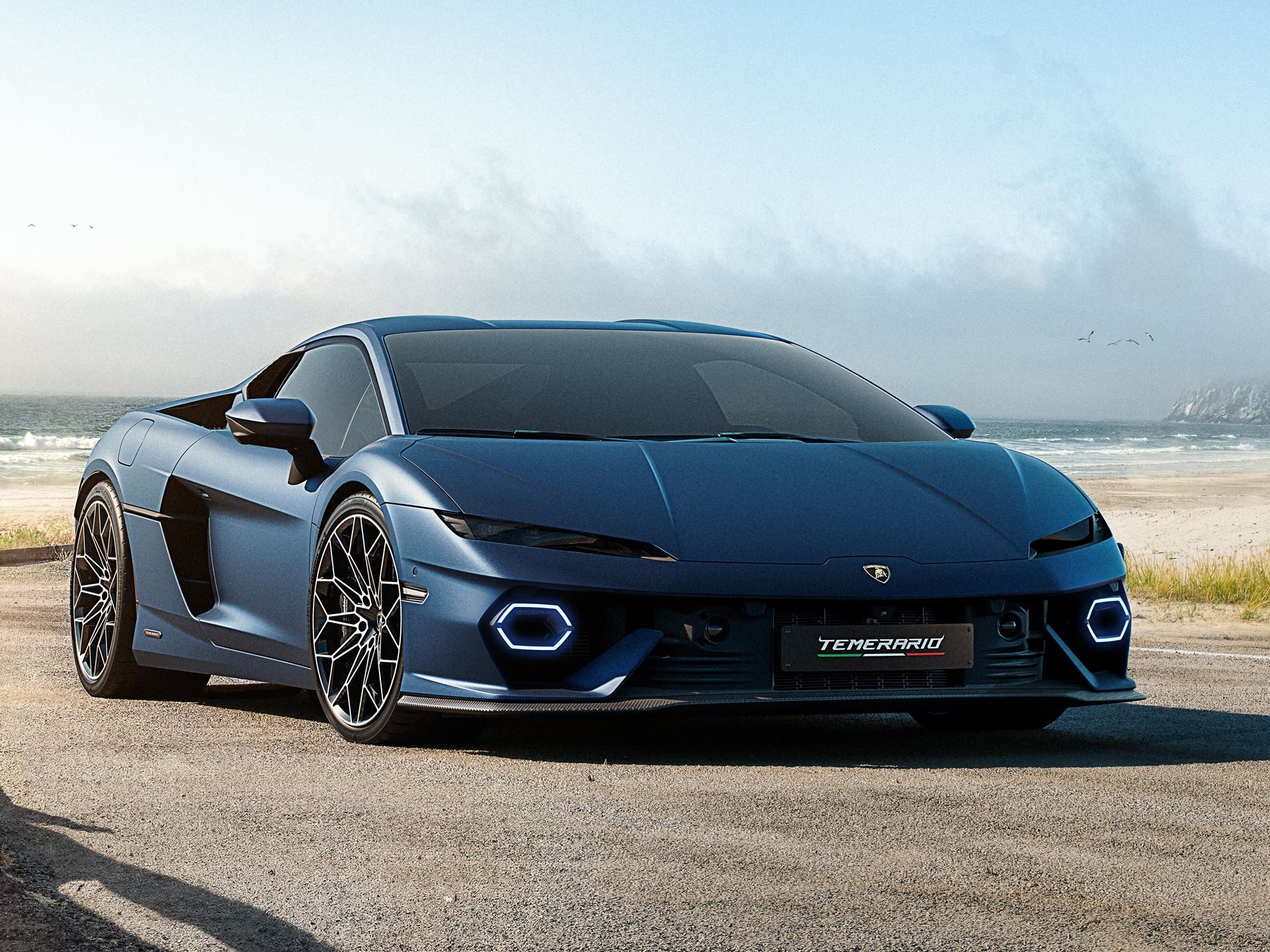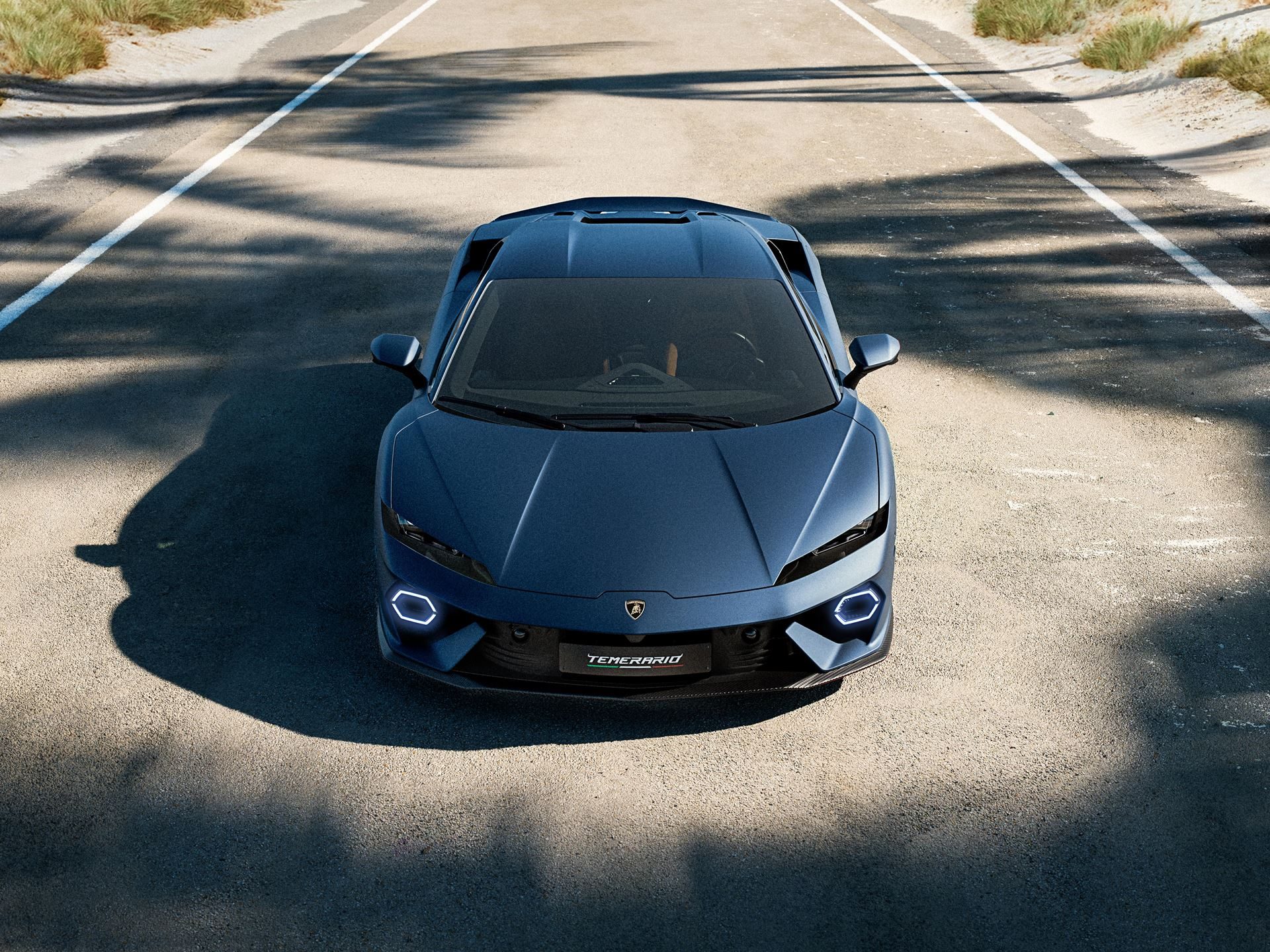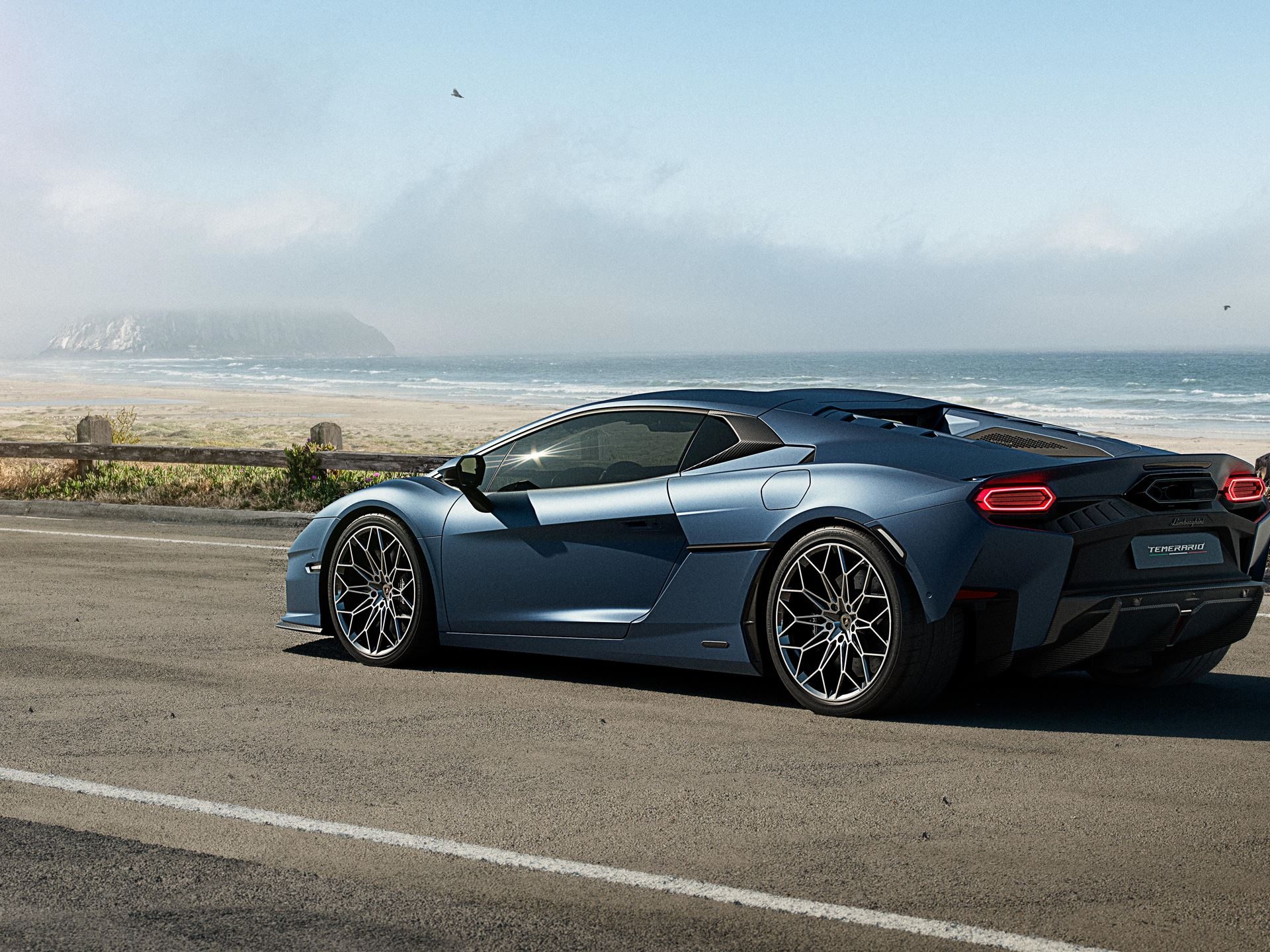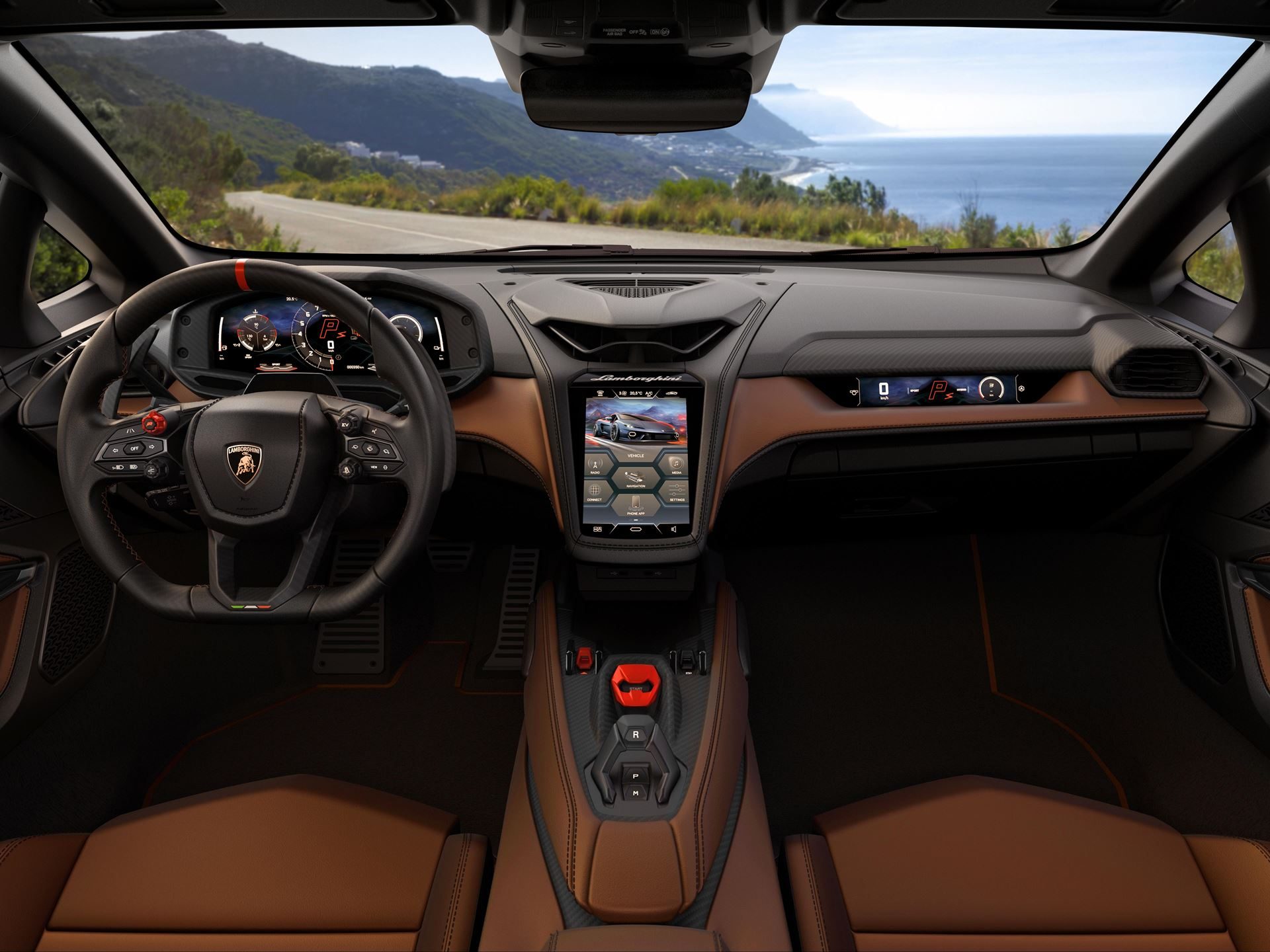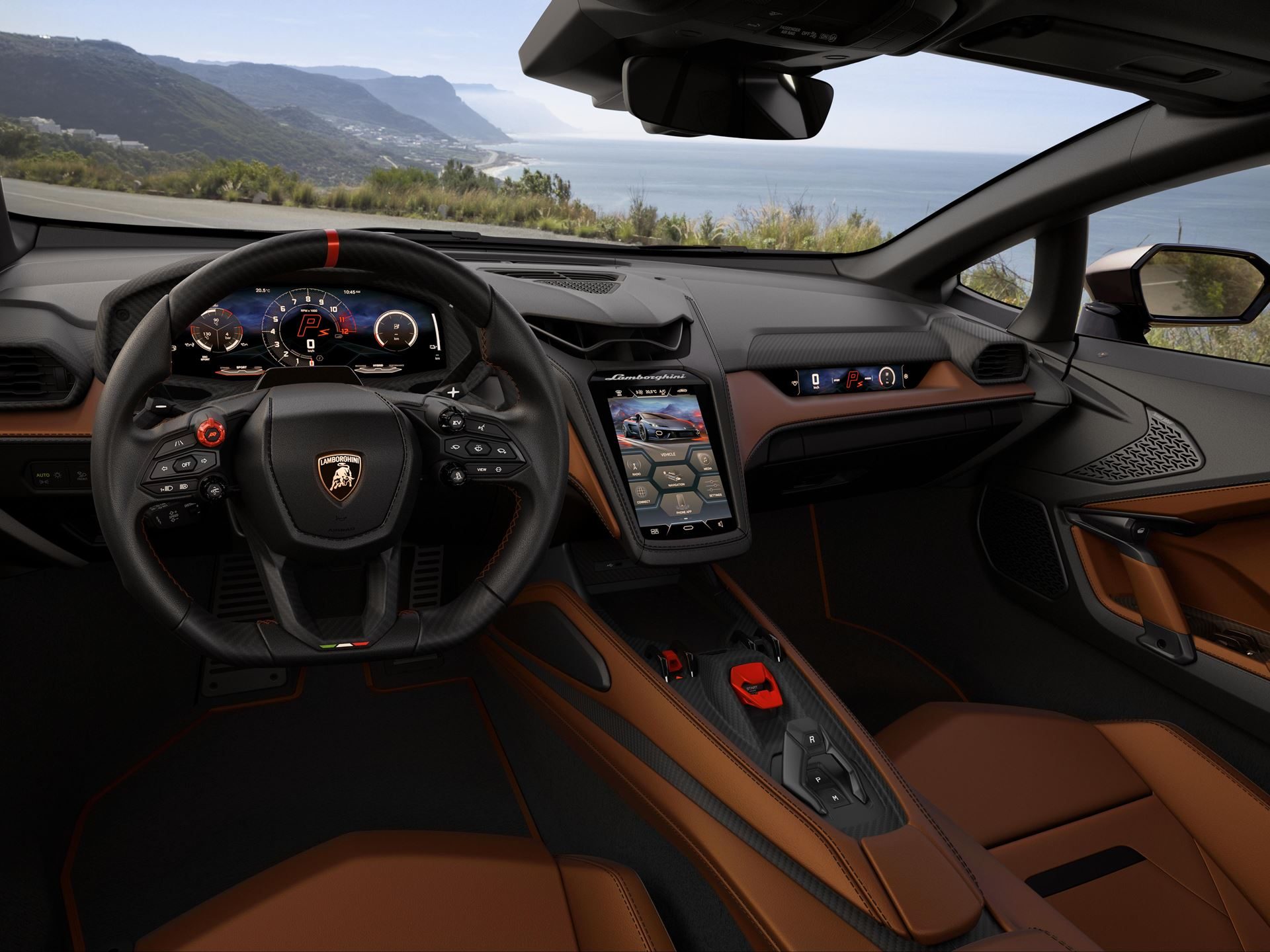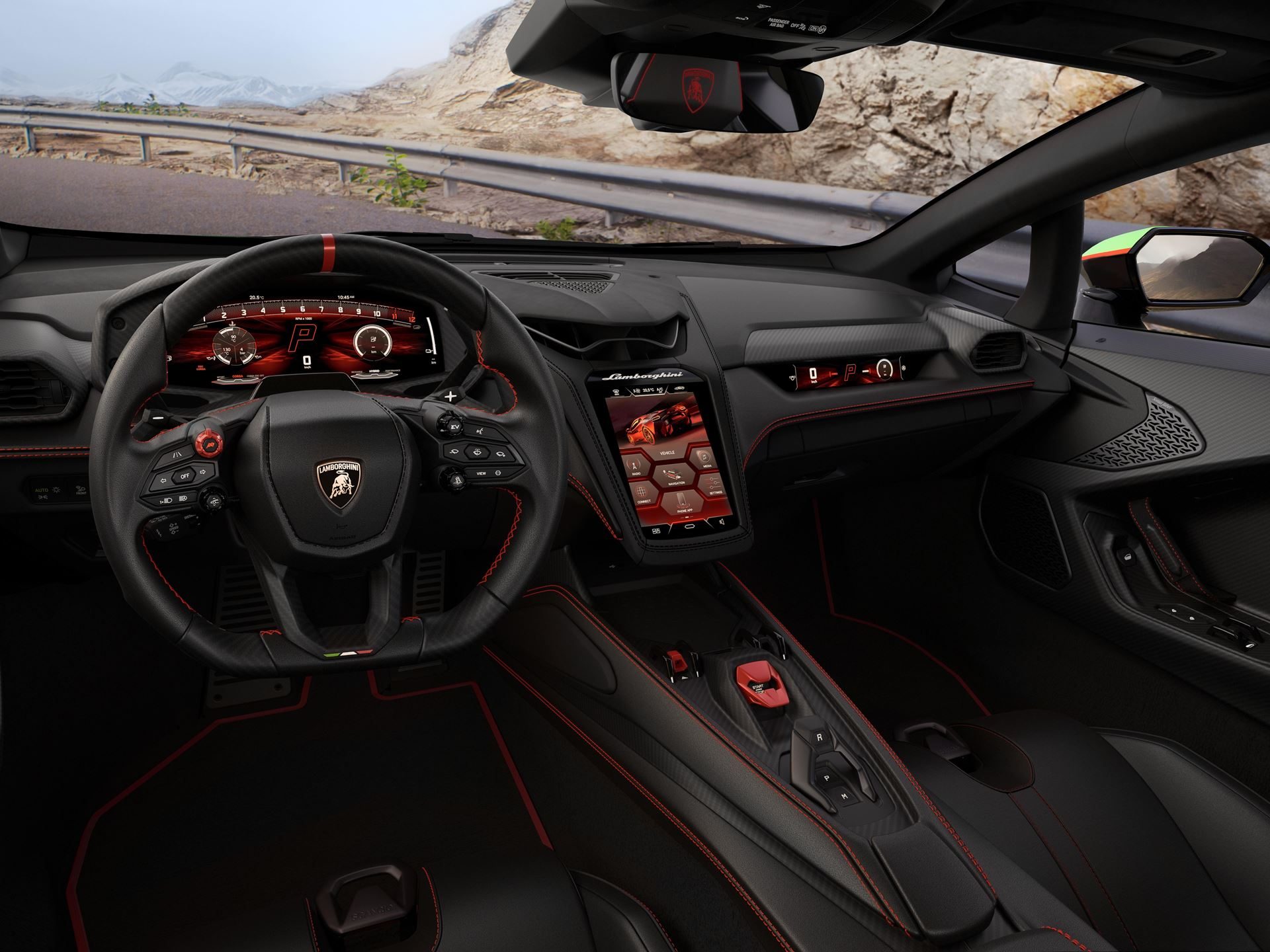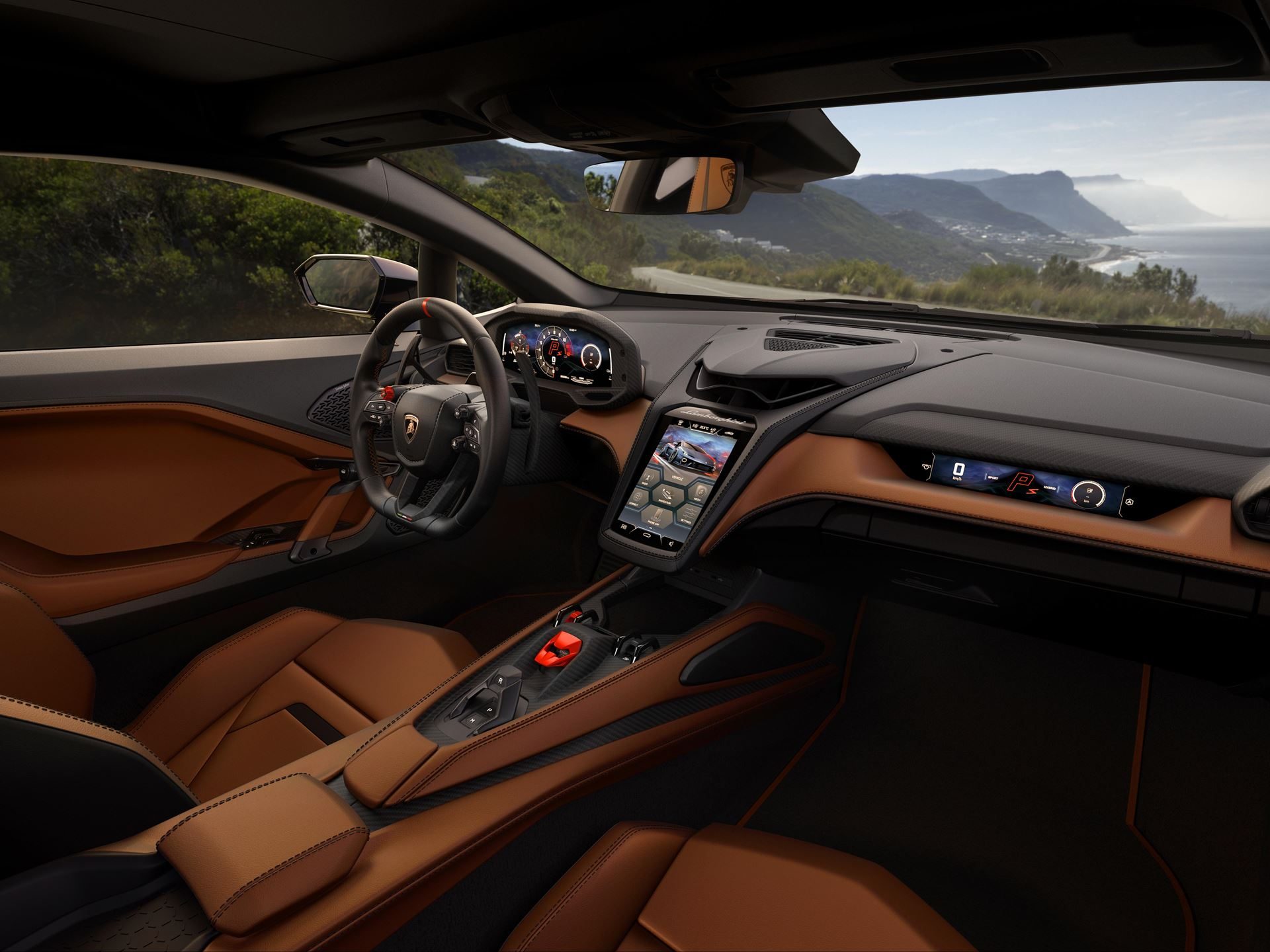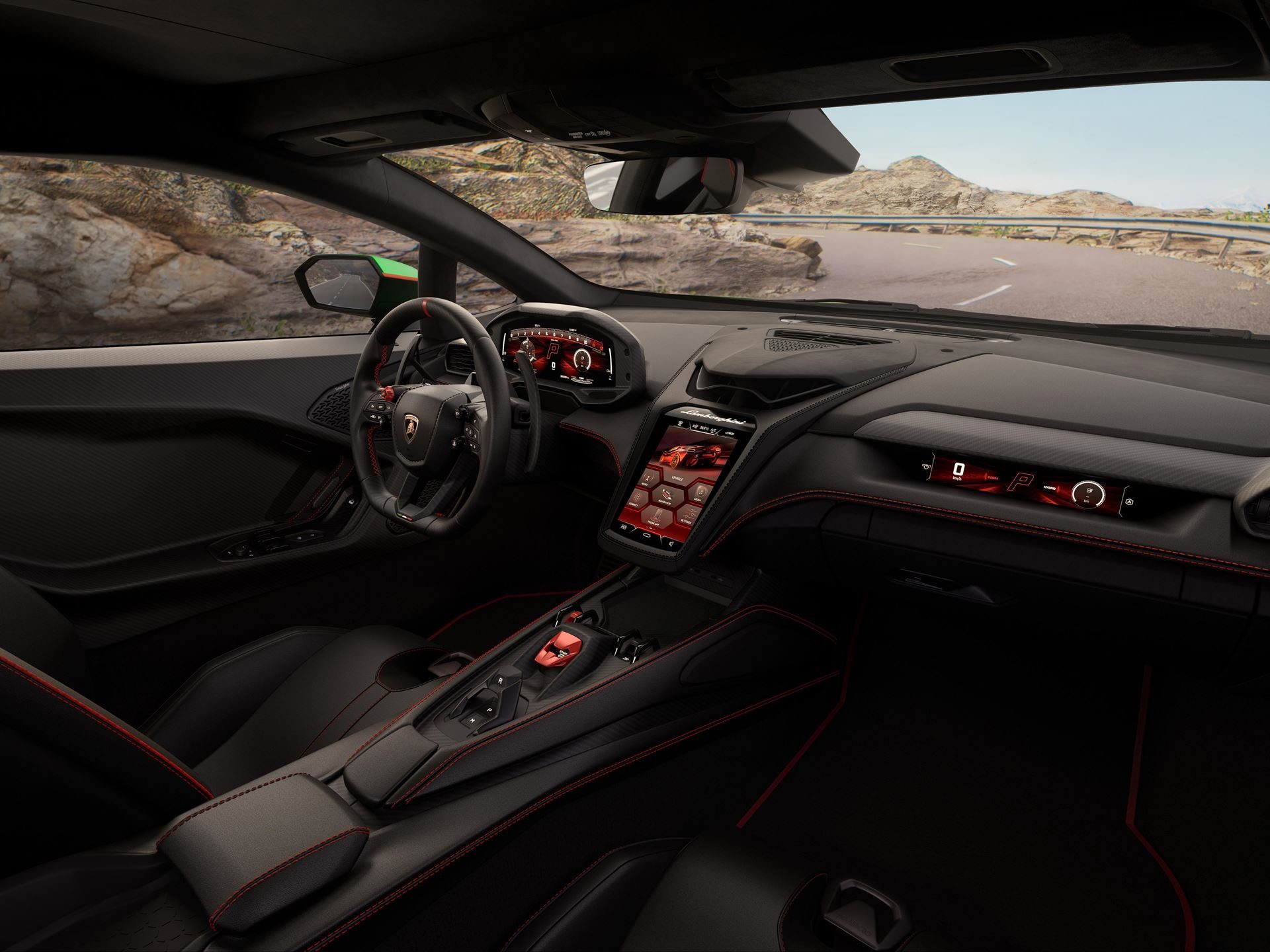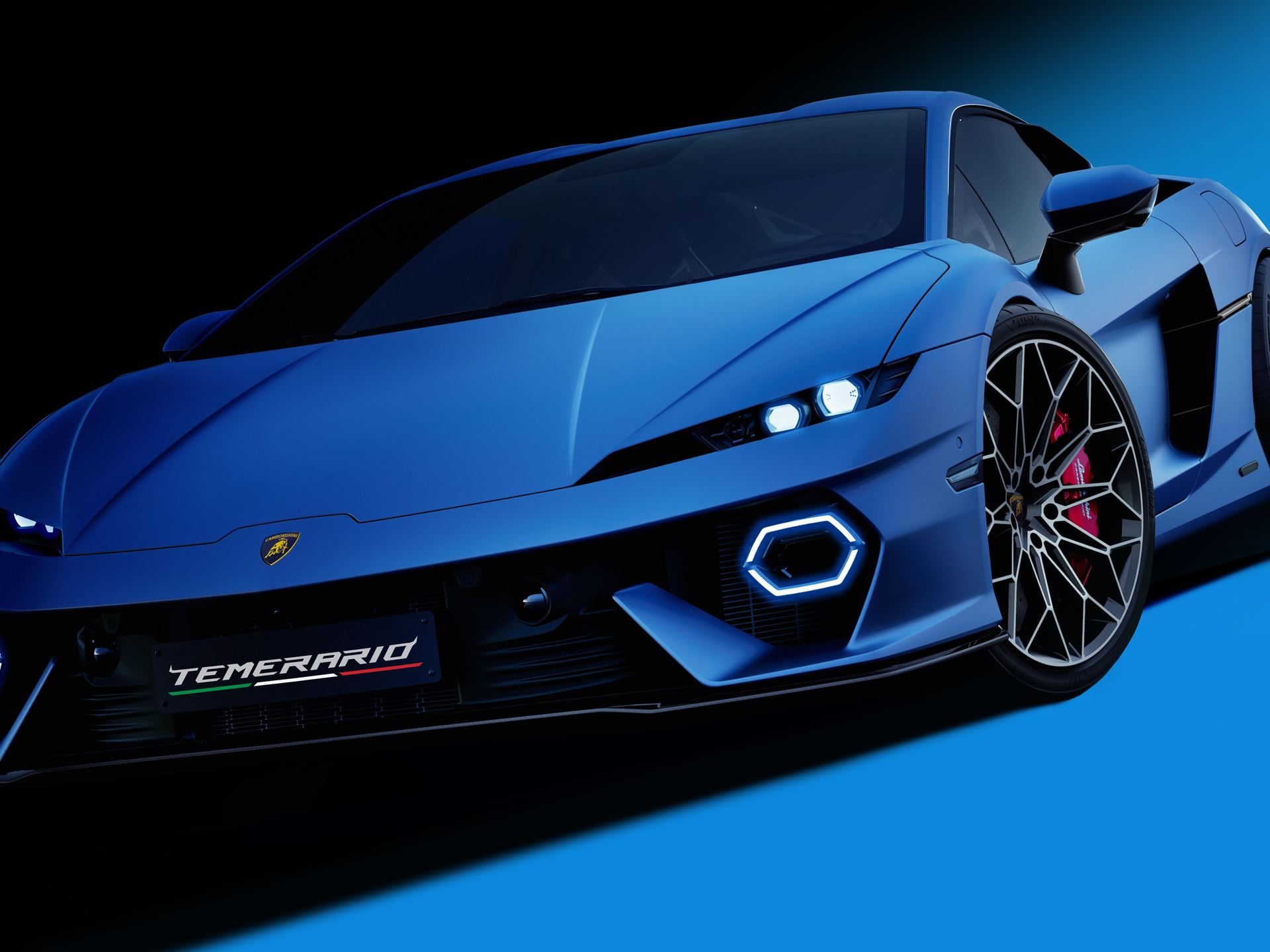
A New V8 Hybrid Super Sports Car Arrives at Monterey
Lamborghini pulled the covers off the Temerario at Monterey Car Week 2024, and the headline number alone signals a clean break from everything that came before: 920 CV (907 horsepower) from an all-new twin-turbo V8 hybrid powertrain pairing a bespoke combustion engine with three electric motors. The car accelerates from 0 to 100 km/h in 2.7 seconds and tops out beyond 340 km/h (210 mph). Those figures put it firmly in the territory where road cars start to feel absurd, and that is precisely the point.
As the second model in Lamborghini’s High Performance Electrified Vehicle (HPEV) range, following the V12 hybrid Revuelto, the Temerario completes the hybridization of the entire lineup, a milestone that also followed the market arrival of the Urus SE. According to Lamborghini, that makes it the first luxury automotive brand to offer a fully hybridized range.
Stephan Winkelmann, Lamborghini’s Chairman and CEO, framed the car in characteristically ambitious terms:
“Every new Lamborghini must surpass its forerunners in performance terms, while at the same time being more sustainable from an emissions standpoint. With the Temerario, we have completed a key chapter in the electrification strategy included in our Direzione Cor Tauri plan.”
The language is corporate, but the underlying engineering commitment is real. Lamborghini built a new V8 from scratch at Sant’Agata Bolognese, wrapped it in a hybrid architecture, and launched it as the brand’s volume super sports car. Whatever else the Temerario becomes over its production life, the opening statement is unmistakable: this is where Lamborghini’s electrified future begins for the majority of its customers.
Completing the Hybrid Lineup: What Direzione Cor Tauri Actually Means Now
Lamborghini’s Direzione Cor Tauri electrification strategy sounded abstract when it was announced. With the Temerario, it becomes concrete. The Revuelto brought hybridization to the V12 flagship. The Urus SE brought it to the SUV. The Temerario brings it to the car that, historically, puts the most Lamborghinis on roads and racetracks worldwide.
That distinction matters. Flagships like the Revuelto generate headlines, but the model sitting beneath it in the range defines the brand’s day-to-day identity. For Lamborghini, the predecessor in this slot was the car most likely to be tracked, most likely to appear in one-make racing, and most likely to serve as a buyer’s first experience with the raging bull badge. Applying the HPEV formula here is the real test of whether Lamborghini’s hybrid philosophy can deliver emotional satisfaction at scale, not just in limited-run halo cars.
Lamborghini’s claim to be the first luxury brand with a completely hybridized range is worth pausing on. Ferrari still sells non-hybrid models. McLaren’s lineup remains a mix. Porsche’s 911 range is largely combustion-only. If the claim holds up to scrutiny, it positions Lamborghini as the most aggressive electrifier among traditional supercar makers, a narrative that would have seemed improbable five years ago.

The 10,000 RPM Question: Engineering a Turbocharged V8 to Scream
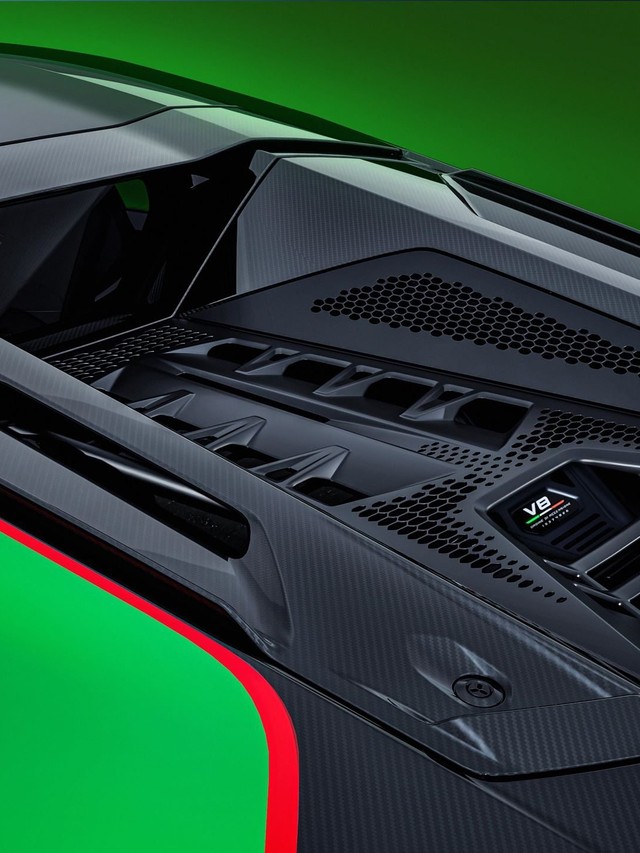
At the heart of the Temerario sits a twin-turbo V8 that Lamborghini says was designed and developed entirely in-house at Sant’Agata Bolognese. The company claims it is the first and only production super sports car engine capable of reaching 10,000 rpm, a genuinely unusual achievement for a forced-induction unit.
Turbocharged engines, as a rule, do not like to rev this high. Turbochargers work by forcing compressed air into cylinders, and the hardware involved creates thermal and mechanical constraints that typically favor a fatter torque curve over a screaming top end. Most modern turbo V8s in the supercar world peak well below 8,500 rpm. Pushing to 10,000 rpm with forced induction requires exotic metallurgy, extremely tight tolerances, and an engineering team willing to accept the cost and complexity that come with both.
A flat-plane crankshaft naturally supports higher engine speeds and a more even firing order compared to the cross-plane cranks found in most American V8s. Flat-plane cranks also tend to produce a sharper, more urgent exhaust note, clearly part of Lamborghini’s strategy to preserve emotional intensity in a turbocharged package. One report describes the engine’s sound as a “crescendo up to 10,000 rpm,” with Lamborghini engineering specific acoustic effects through a connection between the engine banks that amplifies the power unit’s character as revs climb.
For buyers who worried that turbocharging would muffle the Lamborghini experience, the 10,000 rpm target is the brand’s direct answer. Whether it fully replaces the visceral, mechanical shriek of a naturally aspirated engine is a question only seat time will resolve, but the engineering ambition is unmistakable. The three electric motors supplement the V8, and together the system produces that combined 920 CV figure. Lamborghini positions this as a performance-first hybrid architecture: the electric motors provide instant torque fill where turbo lag would otherwise dull throttle response, a clever use of electrification to solve one of the oldest complaints about forced-induction engines.

Where the Temerario Fits in the Supercar Landscape
Ferrari’s 296 GTB uses a twin-turbo V6 hybrid producing 819 horsepower. McLaren’s Artura pairs a twin-turbo V6 with a single electric motor for 671 horsepower (or 700 in the updated Spider). The Temerario arrives with two more cylinders than either rival, nearly 100 more horsepower than the Ferrari, and a redline that Lamborghini claims no competitor can match.
The philosophical differences run deeper than displacement. Ferrari chose a compact V6 to optimize weight distribution and packaging, betting that its hybrid system’s sophistication would compensate for the smaller engine. McLaren went lighter and more focused, prioritizing driver engagement over outright power. Lamborghini’s bet is different again: build the most emotionally charged engine possible, use electrification to fill in its dynamic gaps, and let the combined output speak for itself.
Which approach wins depends entirely on what a buyer values. If the priority is a surgical, lightweight mid-engine weapon, the Artura makes a compelling case at lower power. It is the most refined hybrid integration in the segment, the 296 GTB remains the benchmark for how seamlessly electric and combustion power can blend. The Temerario’s pitch is more visceral: more power, more revs, more theater.
Car and Driver described the steering as “disarmingly light” during early driving impressions, noting that once drivers relaxed their grip, the car began to feel “extremely light, agile, and tossable.” That characterization suggests Lamborghini tuned the chassis for approachability rather than the heavy, planted feel some rivals favor, and for buyers coming from other brands, that calibration choice will be the first thing they notice.
Motorsport DNA: The Temerario GT3 and What It Signals
Lamborghini confirmed early that the Temerario will spawn a GT3 racing variant, and the implications for customer motorsport are significant. The Temerario GT3 is notable as Lamborghini’s first competition car fully designed, developed, and built in-house at Sant’Agata Bolognese, a break from the outsourced development partnerships that characterized previous racing programs.
One report from Car and Driver indicates the GT3 version will forgo the hybrid system entirely, running a modified version of the twin-turbo V8 alone. That is consistent with current GT3 regulations, which generally do not permit hybrid powertrains. For teams and privateers, it means the racing car will be mechanically simpler than the road car, though the core engine architecture carries over.
Bringing the entire competition car program under one roof at Sant’Agata is a meaningful shift. It gives Lamborghini direct control over development timelines, homologation details, and the feedback loop between road car and race car engineering. For the brand’s Super Trofeo and GT3 customers, who represent a passionate and commercially important community, the promise is tighter integration between what they drive on track and what Lamborghini learns from their data.

New Ground for Lamborghini, and Questions Still to Answer
Several important details remain unconfirmed. Official pricing for any market is not included in the launch material. Battery capacity, electric-only range, detailed motor placement, transmission specifications, and curb weight are all absent from the primary announcement. For a car positioned as the brand’s most important new model in a decade, those omissions leave prospective buyers with more questions than answers.
What the launch does confirm is the powertrain architecture (twin-turbo V8 plus three electric motors), the combined output (920 CV), and the performance benchmarks (2.7 seconds to 100 km/h, over 340 km/h top speed). Those numbers establish the Temerario’s competitive credentials. The rest, from configurator options to delivery timelines, will define whether the ownership experience matches the engineering ambition.
One practical consideration for anyone placing a deposit: Lamborghini’s hybrid systems are new territory for the brand’s service network. The Revuelto introduced hybrid maintenance to Lamborghini dealerships, and the Temerario will dramatically increase the volume of hybrid cars flowing through those workshops. Buyers should expect the service infrastructure to mature alongside the car itself.
Road & Track reported that the Temerario’s V8 was not originally planned as a twin-turbo unit, suggesting the final powertrain configuration evolved during development. That kind of late-stage engineering pivot is not unusual in the supercar world, but it reinforces just how much of this car represents genuinely new ground for Lamborghini. The Temerario is not a facelift or an evolution. It is a clean-sheet machine built around an engine and hybrid system that did not exist three years ago, and the brand’s future depends on getting it right.

Gallery