A Factory Esports Contract as Grand Prize: Lamborghini’s Third Edition of The Real Race
When Lamborghini Esports opened registration for the third edition of The Real Race in May 2022, the headline prize shifted the stakes considerably. The overall champion would earn the chance to join the official Automobili Lamborghini Esports team, a factory-backed squad launched that same year. Previous editions offered VIP experiences in Sant’Agata Bolognese and simulator time with Squadra Corse engineers. Rewarding a sim racer with a contracted team seat represents a different kind of commitment entirely, one that reframes the competition as a genuine talent pipeline rather than a promotional exercise.
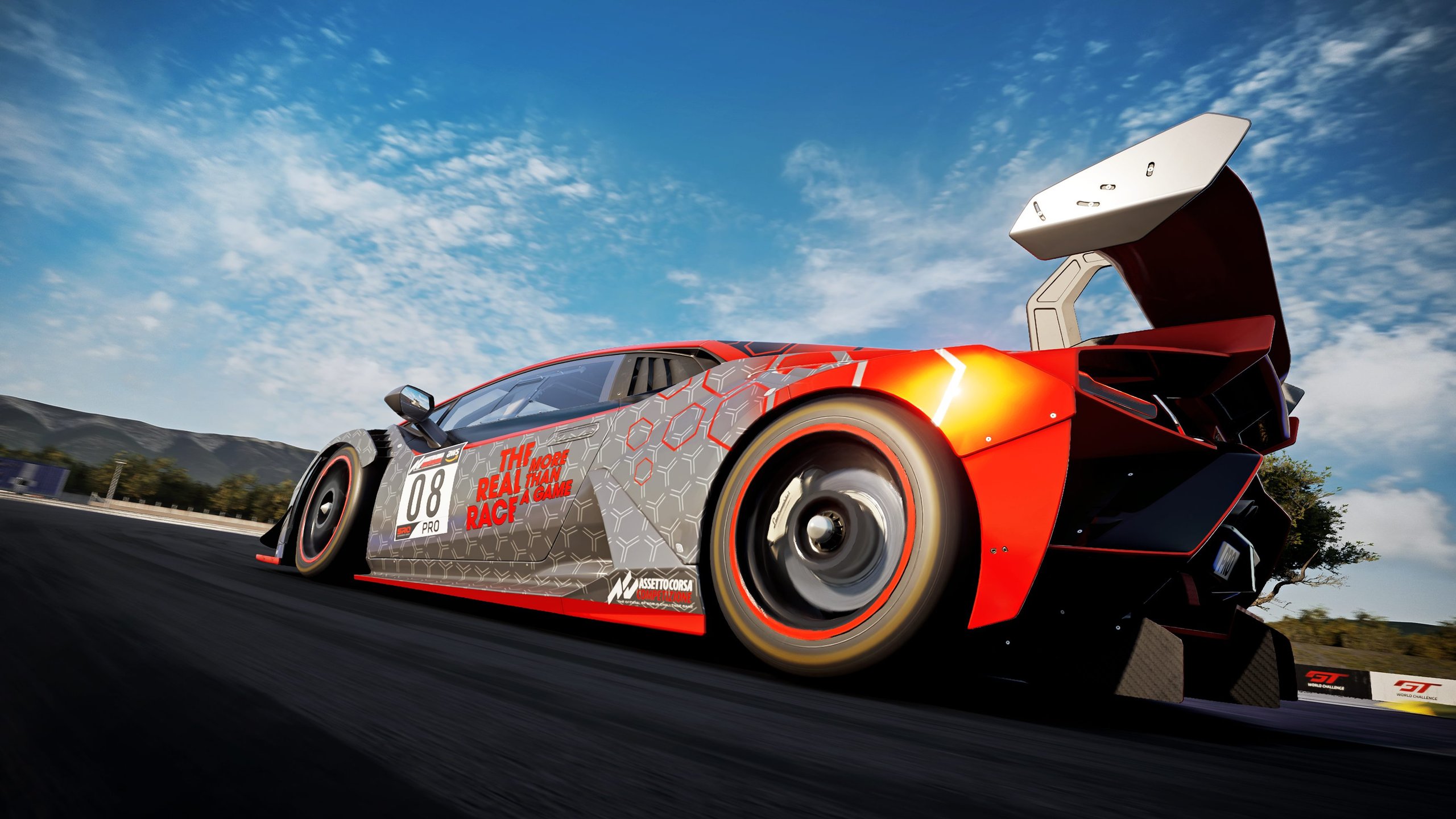
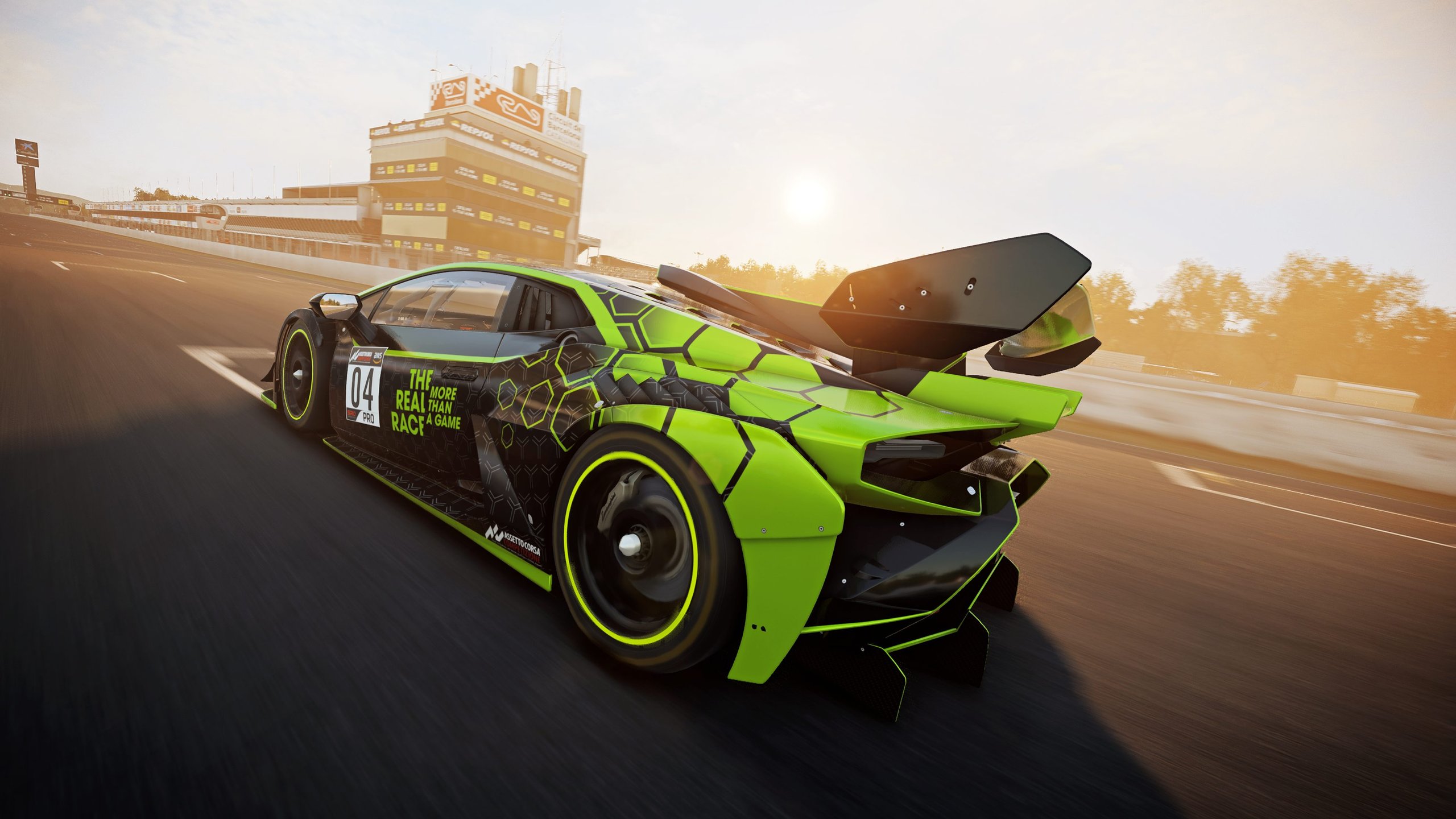
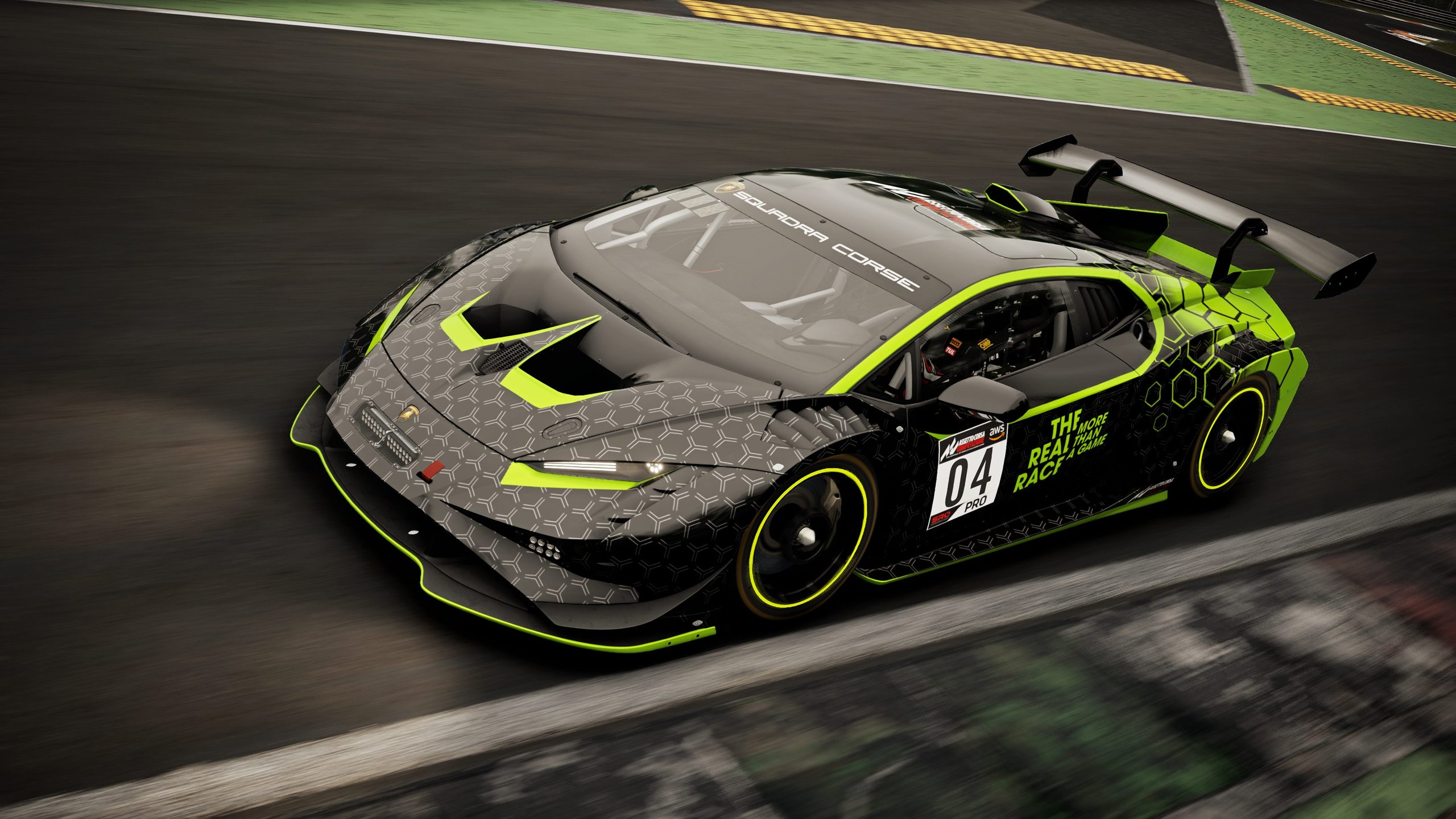
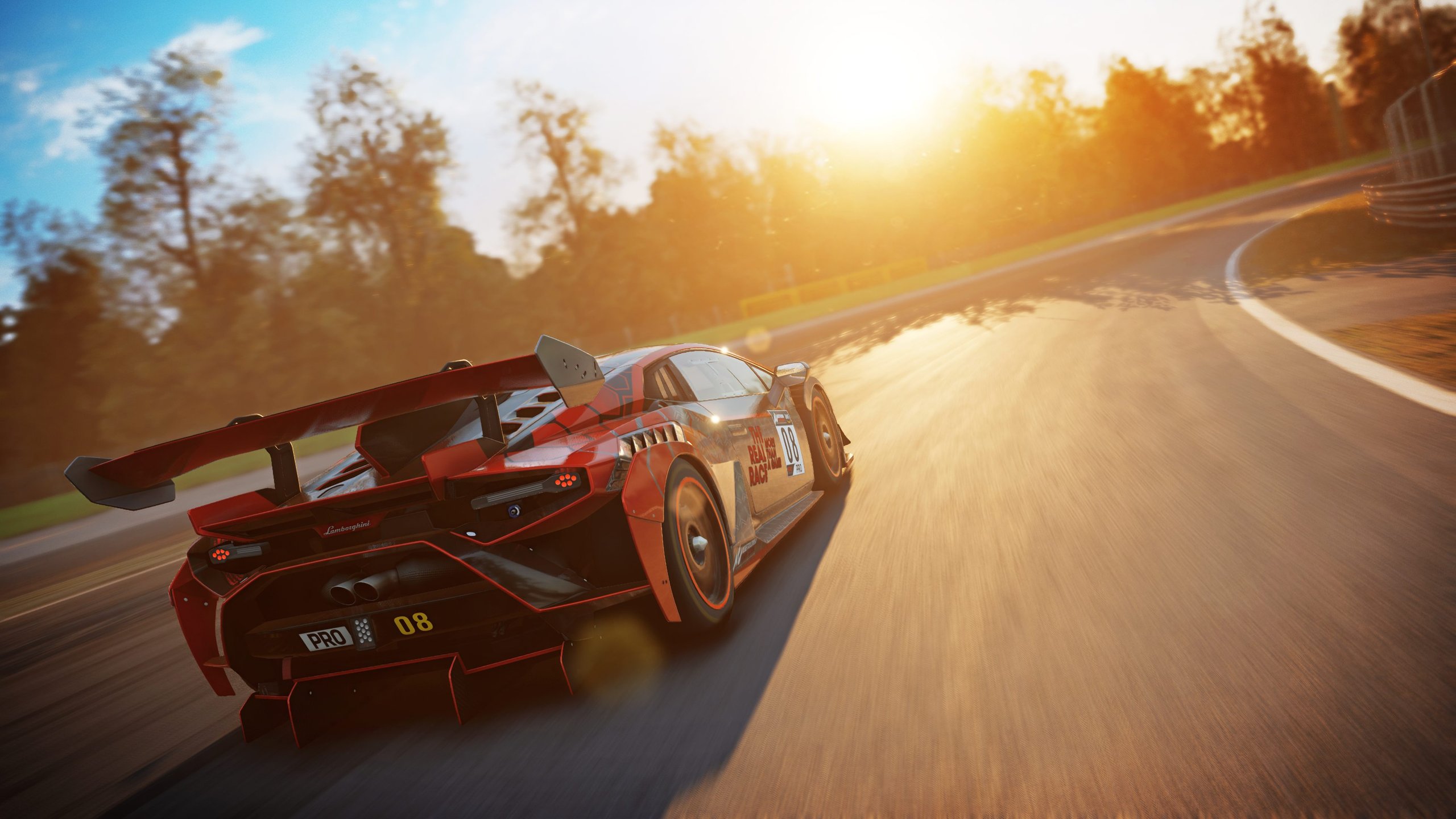
Competitors pilot the digital Huracán Super Trofeo EVO2 exclusively on Assetto Corsa Competizione, the same simulator Lamborghini says its Squadra Corse test and racing drivers use for real-world race preparation. The format expanded to three global regions: Europe, Middle East and Africa; North America and Latin America; and Asia-Pacific. Each region runs its own qualifying ladder through group stages before feeding into a single grand finale.
Christian Mastro, Automobili Lamborghini Marketing Director, framed the competition as a generational play:
“With this new edition of The Real Race, we are proud to once again show our commitment and passion for Esports racing. The competition is a remarkable way to engage with the new generation and to expand our community.”
That language is corporate boilerplate, but the underlying action is not. Offering a factory contract rather than a trophy and a handshake signals that Lamborghini views sim racing talent as a genuine asset worth recruiting, and it sets the tone for everything else the program is designed to accomplish.
Why Lamborghini Keeps Investing in Virtual Motorsport
The obvious reading is marketing. Esports reaches demographics that do not attend Imola on a Saturday, and brand exposure in gaming carries relatively low cost compared to a physical racing season. But the deeper logic connects to how Lamborghini’s customer racing business actually works.
Squadra Corse sells Huracán Super Trofeo race cars to gentleman drivers and professional teams across three continental championships. That pipeline depends on a steady supply of people who want to race Lamborghinis, and the pool of wealthy amateur racers willing to commit six figures to a season entry is finite. Sim racing functions as a top-of-funnel filter: it identifies people with genuine pace and competitive instinct, some of whom may eventually transition into real cockpits. The Real Race provides a potential pathway into real-world motorsport through Lamborghini’s Young Driver Program, which scouts talent for its GT3 and Super Trofeo programs.
Lamborghini says the 2021 edition drew more than 3,100 competing drivers and attracted over 1.15 million spectators across its streamed events. Those are modest numbers by mainstream esports standards, but for a niche automotive brand selling race cars that cost several hundred thousand dollars, the conversion math looks different. Even a handful of participants who graduate from sim seats to real paddocks justify the investment.
Jordan Sherratt won the 2021 finale at the Misano Adriatico circuit and became Lamborghini’s first official sim driver, joining the esports roster alongside Gianfranco Giglioli and Giorgio Simonini in 2022. That precedent is what transforms The Real Race from a marketing activation into a credible recruitment channel. For aspiring sim racers, this competition is one of the few factory-backed programs where finishing first can lead to a professional contract rather than a commemorative plaque.

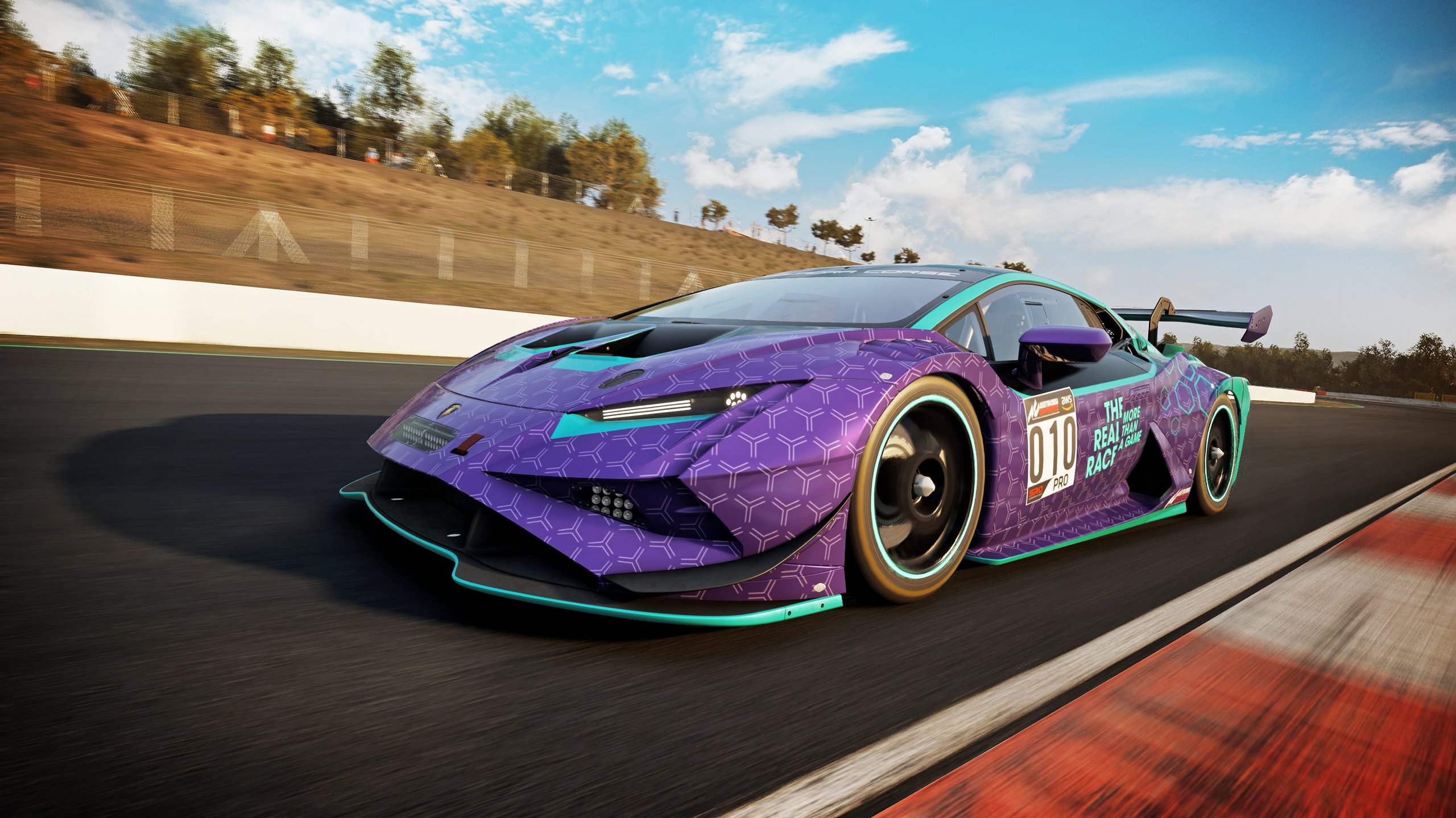
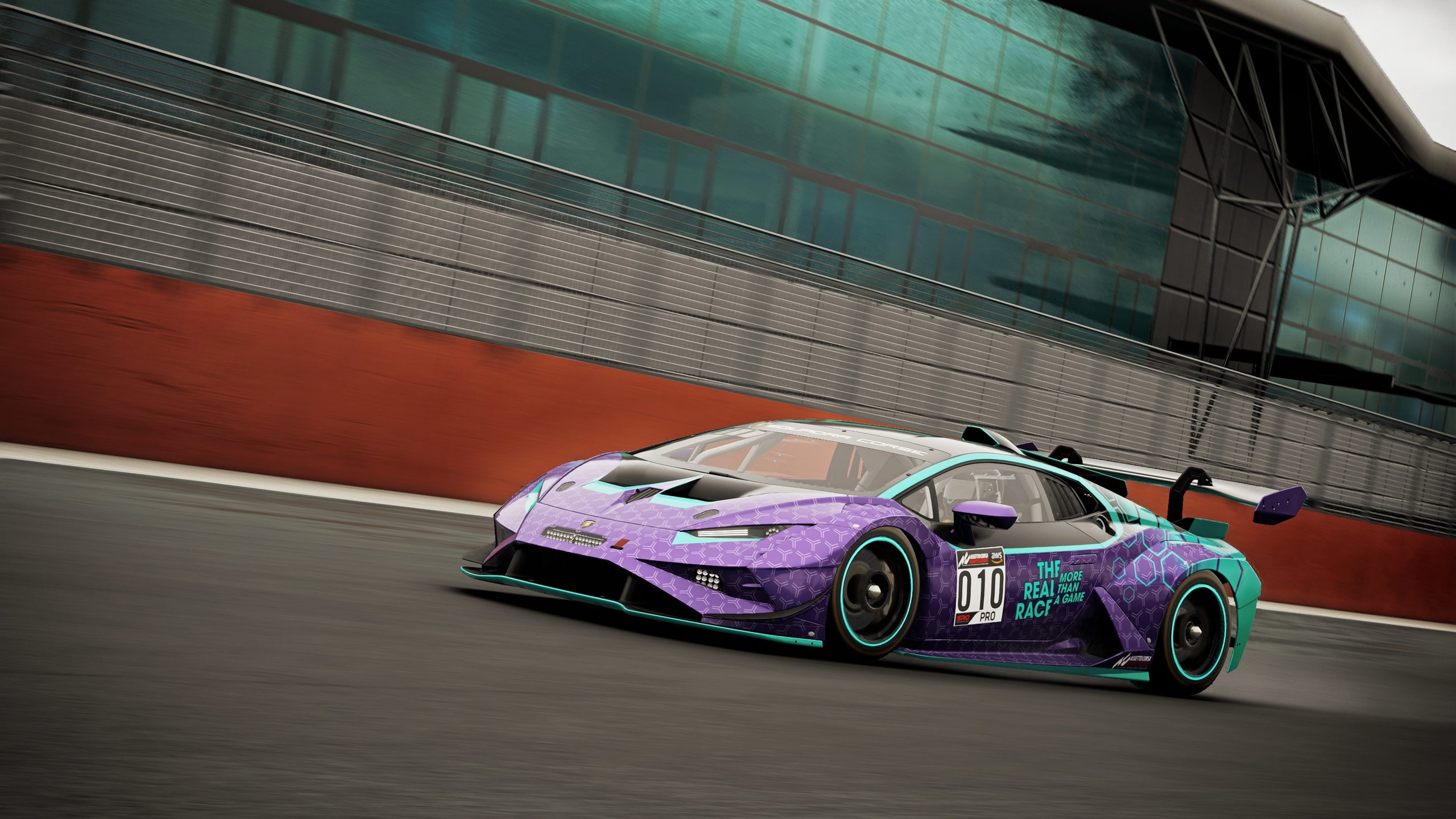
The Lamborghini Huracan GT3 EVO, in its distinctive purple and teal livery, navigates a wet turn on the track.
From Pandemic Stopgap to Sustained Program
The Real Race launched in 2020, during the first wave of pandemic lockdowns, when every automaker scrambled for digital engagement. Many of those hastily assembled virtual events disappeared once showrooms reopened. Lamborghini’s did not, and the reason is worth examining through the lens of the talent pipeline the company has been building.
The 2020 inaugural season tested the concept. The 2021 edition scaled up participation and introduced the Misano finale with real-world prizes. By this third edition in 2022, the format matured into a structured regional championship with a factory team contract at the top. Competitor reports indicate that by 2024, The Real Race reached its fifth season, with on-site finals reportedly held at Jerez de la Frontera during the Lamborghini World Finals. That trajectory, from pandemic stopgap to a fixture of the brand’s annual motorsport calendar, tells you more about Lamborghini’s strategic conviction than any single announcement does.
Lamborghini also expanded its gaming footprint beyond the competition itself. The company says it signed partnerships with Rocket League and Asphalt 9: Legends, placing Lamborghini models (including the Huracán STO and Essenza SCV12) in games with massive casual audiences. One competitor source reports that Lamborghini launched a dedicated TikTok channel called “Lamborghini Next” to spotlight its esports championship and other digital initiatives. These are supporting flanks to the core program, designed to keep the brand visible in spaces where the next generation of enthusiasts already spends time. Each touchpoint widens the funnel that The Real Race sits at the top of.
The Huracán Super Trofeo EVO2: Why the Virtual Car Choice Matters
Lamborghini could have chosen any car in its lineup for The Real Race. The Huracán STO would be flashier. The Essenza SCV12 would be more exotic. Instead, competitors drive the Huracán Super Trofeo EVO2, a dedicated single-make race car that exists specifically for Lamborghini’s customer racing series. The choice reveals the pipeline logic at work.
Assetto Corsa Competizione models its cars with physics data supplied by manufacturers, and Lamborghini says the game serves as a genuine preparation tool for Squadra Corse’s professional drivers. Sim racers competing in The Real Race are learning the same car, on the same virtual circuits, using the same simulation platform that feeds into Lamborghini’s real-world racing operation. The competitive skills transfer is the whole point.
Forum discussion among Assetto Corsa Competizione players describes the virtual Super Trofeo cars as demanding to drive: twitchy, sometimes snappy, requiring real commitment to master. That difficulty is a feature, not a bug. Lamborghini wants winners who can manage a challenging car at the limit, because those are the skills that translate to a real cockpit. A competition built around an easier, more forgiving car model would produce winners who look good on a leaderboard but lack the racecraft Squadra Corse needs.
The EVO2 designation also keeps the virtual competition aligned with the physical Super Trofeo series, where the same car competes across Europe, North America, and Asia. When a sim racer watches a real Super Trofeo broadcast, the car on screen is the one they know intimately from hundreds of virtual laps. That continuity between virtual and physical programs reinforces brand loyalty in a way that a generic branded game collaboration cannot replicate, and it ensures that anyone emerging from The Real Race already speaks the same technical language as the Squadra Corse engineers they might one day work alongside.

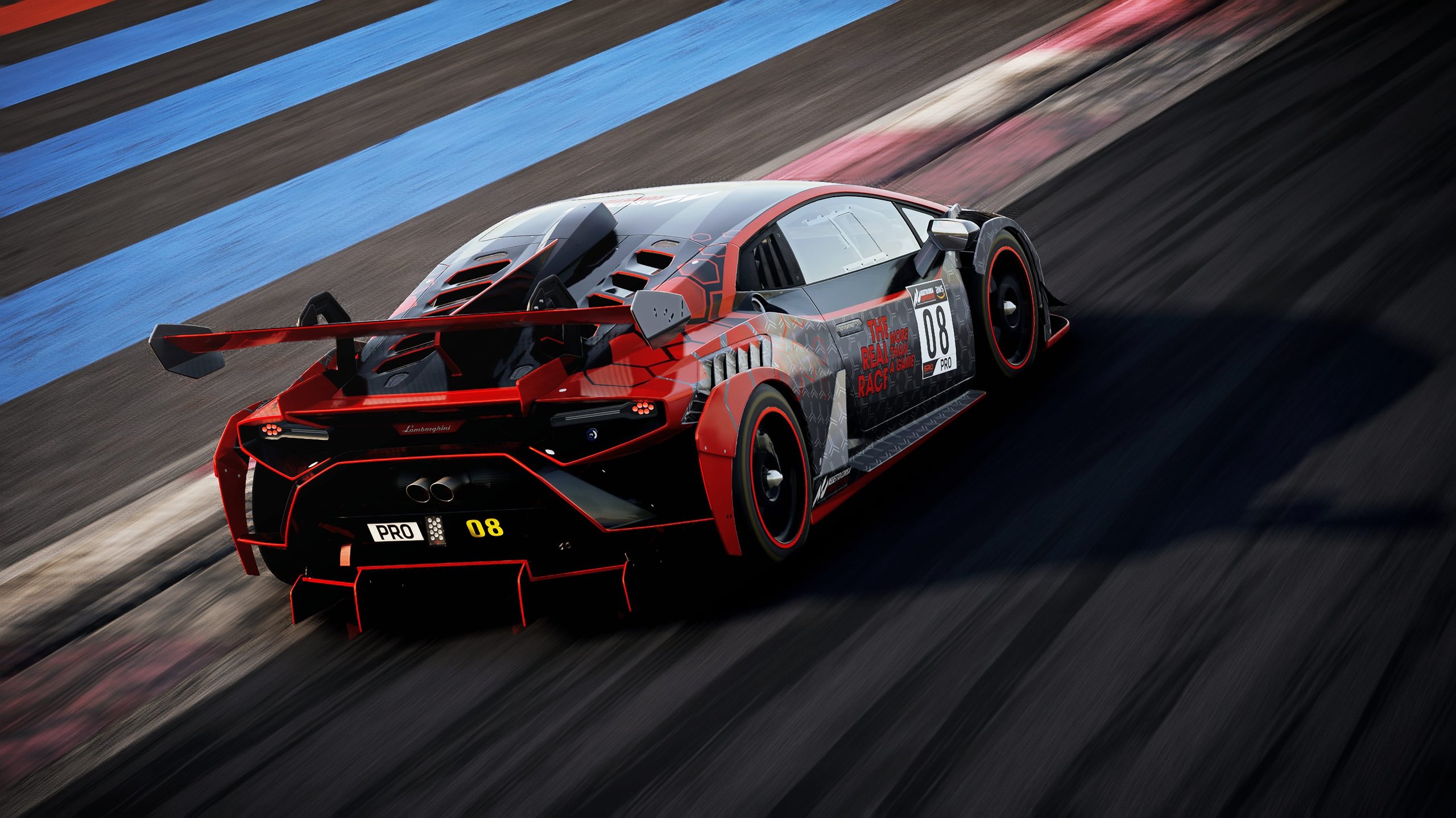
The Lamborghini Huracán GT3 EVO, number 04, showcases its aggressive aerodynamics on the race track.
Format and Accessibility: How Aspiring Racers Get In
A talent pipeline only works if it is accessible, and the 2022 competition structure balances open entry with rigorous elimination across each region:
- Qualifiers: Four qualifying rounds, with one winner per group advancing directly to the group stage. Remaining competitors accumulate points, and the top 20 from each qualifier carry forward.
- Group Stage: Six days of racing, split by region, with two races per day. A points system determines the top 15 who advance to the grand finale.
- Last Chance: A single in-game event per region offers one more driver a path to the final.
- The Final: All three regional finals run on one day. The top 16 compete for the championship, and the overall winner earns the opportunity to join the official Lamborghini Esports team.
Lamborghini lowered the barrier to entry by arranging for Assetto Corsa Competizione to be free on Steam from May 5 to 8, 2022, coinciding with the competition’s opening weekend. Removing the purchase requirement lets curious players try both the simulator and the competition without financial commitment, a smart move for widening the talent pool.
For anyone serious about competing, the practical reality is that success requires a proper sim racing setup (a quality wheel, pedals, and ideally a direct-drive base), significant practice time with the Super Trofeo EVO2’s handling characteristics, and familiarity with Assetto Corsa Competizione’s physics model. The competition is free to enter, but competitive performance demands investment in hardware and hours. That tension between accessibility and seriousness is precisely what makes the pipeline credible: anyone can try, but only those with genuine skill and dedication advance.

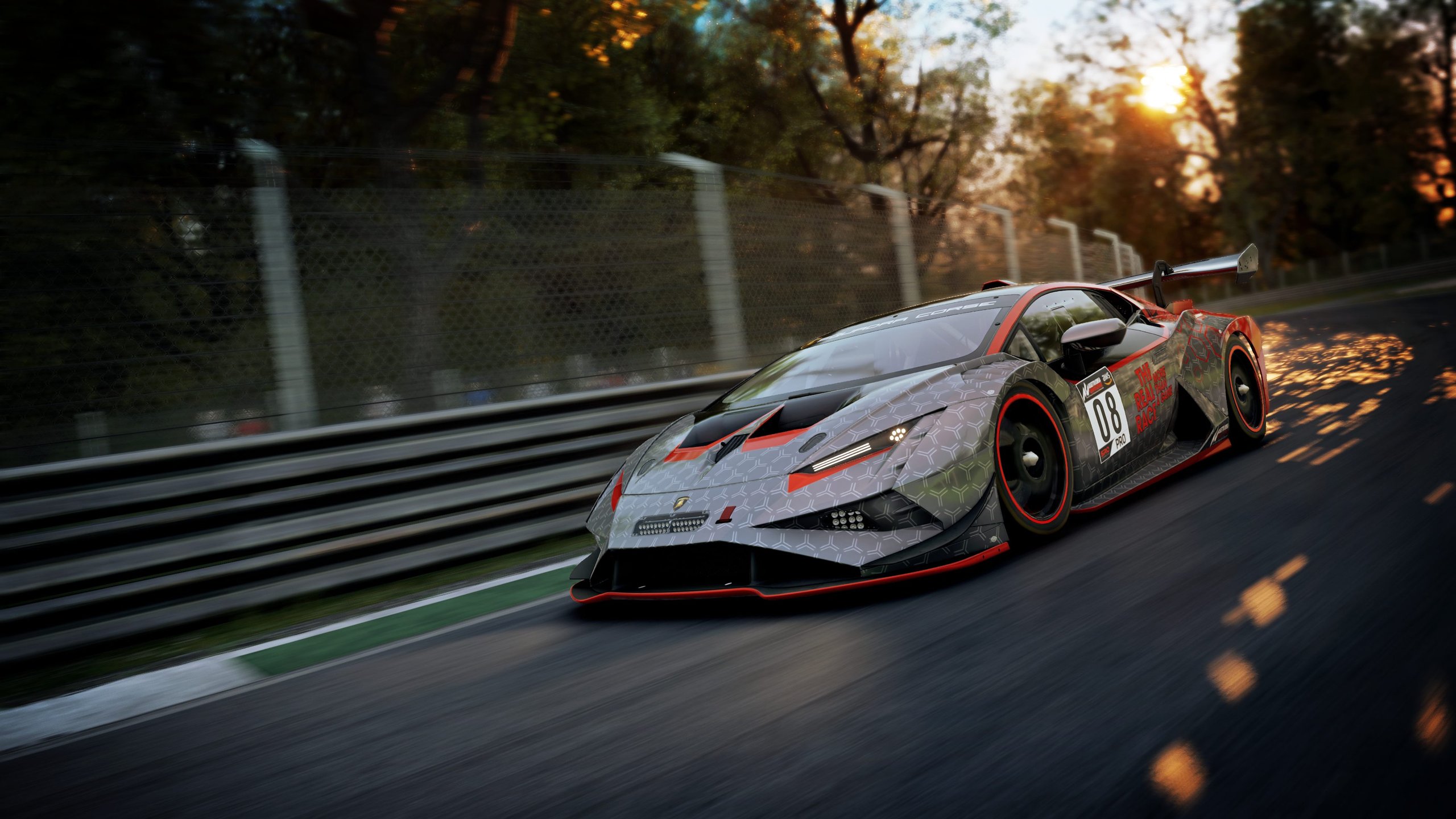
The Lamborghini Huracan GT3 EVO, in its striking livery, races under the lights on the track at night.
How Lamborghini’s Esports Strategy Compares to Its Rivals
Lamborghini did not invent factory esports programs. Ferrari runs its own Esports Series, Porsche operates the Porsche TAG Heuer Esports Supercup, and McLaren launched its Shadow Project specifically to scout sim racing talent for real-world opportunities. The competitive landscape is crowded, and each manufacturer approaches the space with slightly different priorities.
What distinguishes Lamborghini’s approach is the directness of the pipeline. The Real Race feeds into the official Lamborghini Esports team, which competes in SRO Esports championships including the GT World Challenge Esports Sprint Series. That team operates under the Squadra Corse umbrella, the same motorsport division that manages the real Super Trofeo and GT3 programs. The organizational proximity between virtual and physical racing is tighter than what most competitors offer. Lamborghini also connects its esports program to the Young Driver Program, creating at least a theoretical pathway from a bedroom sim rig to a real GT3 cockpit.
Whether that pathway produces results at scale remains an open question. Lamborghini has not disclosed how many sim racers, if any, have moved from The Real Race through the Young Driver Program into physical racing seats. The honest assessment is that the numbers are likely very small. But the structural connection exists, and for a talented sim racer evaluating which factory program to pursue, the Lamborghini pipeline offers a clearer route from competition winner to contracted team member than most alternatives.
As the brand transitions its real-world customer racing program from the Huracán to the Temerario GT3 platform in the coming years, the esports infrastructure built around Assetto Corsa Competizione will need to evolve alongside it. A new car means new physics models, new virtual liveries, and a new generation of sim racers learning its characteristics. The Real Race is not a static marketing exercise. It is a program that must grow with the brand’s motorsport roadmap, and Lamborghini’s sustained investment across five seasons suggests the company understands that the talent pipeline only works if it keeps pace with the cars at the sharp end.

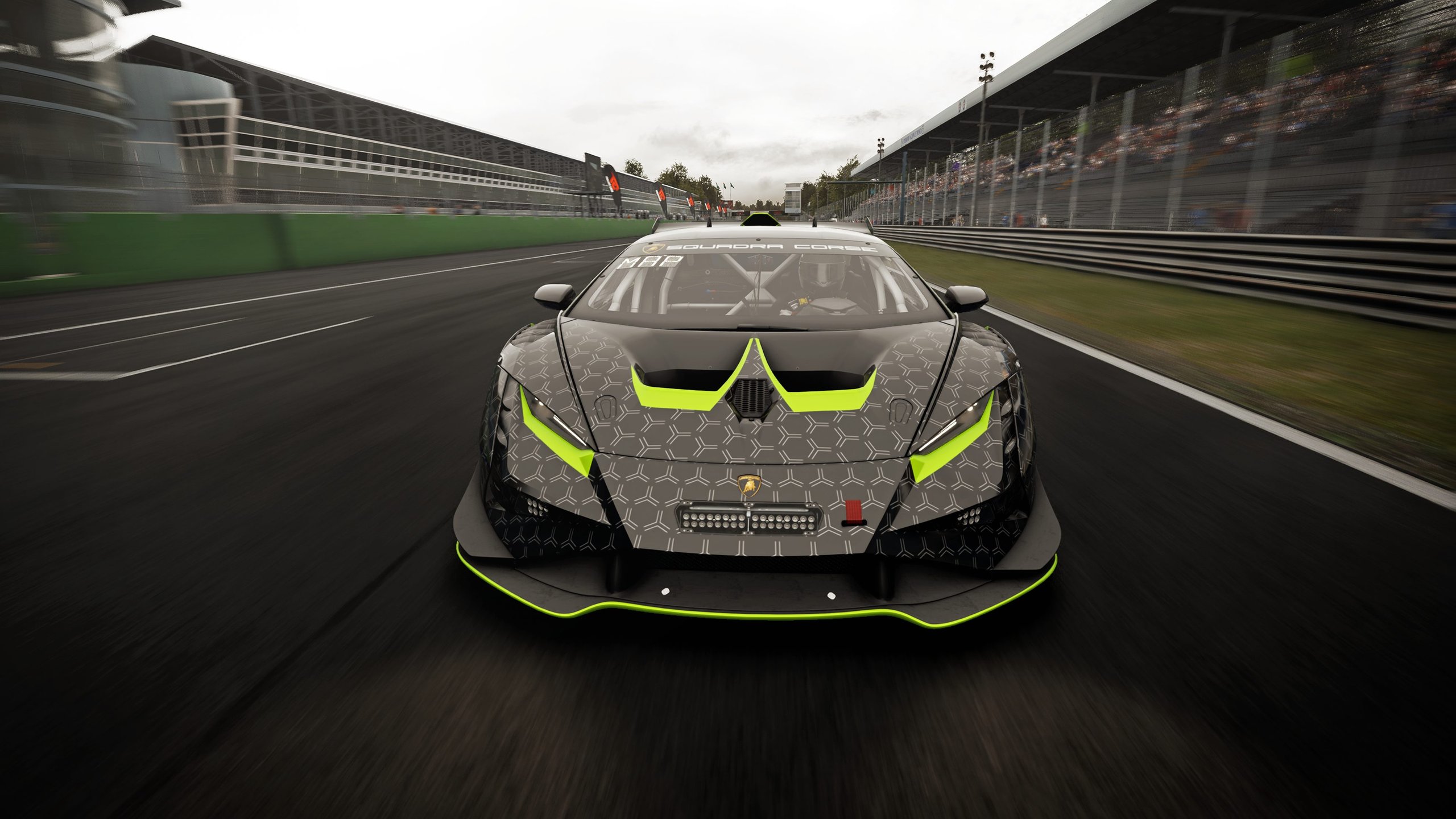
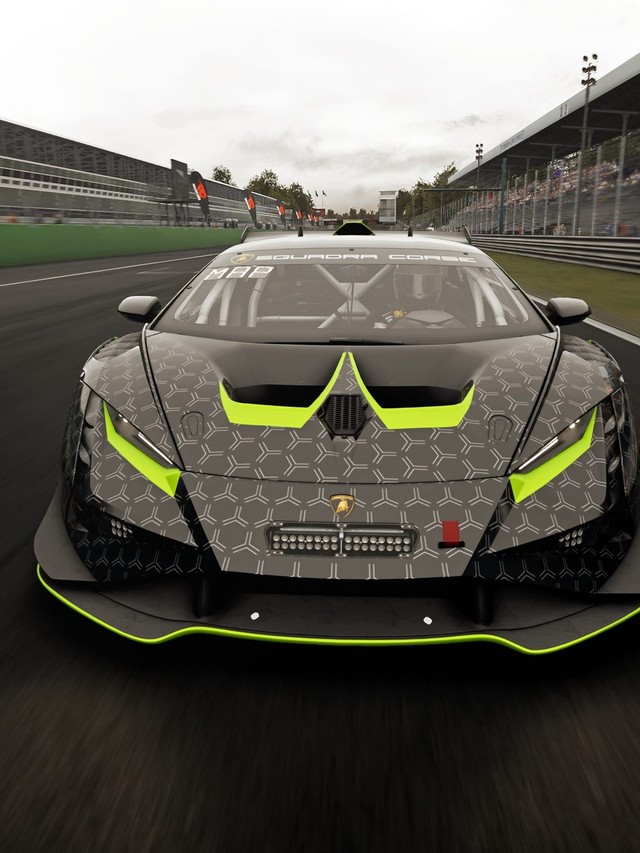
The Lamborghini Huracan GT3 EVO, in a striking black and neon green livery, races into the sunset on the track.
Gallery