The SC63 Touches Down in Florida for Its First American Race
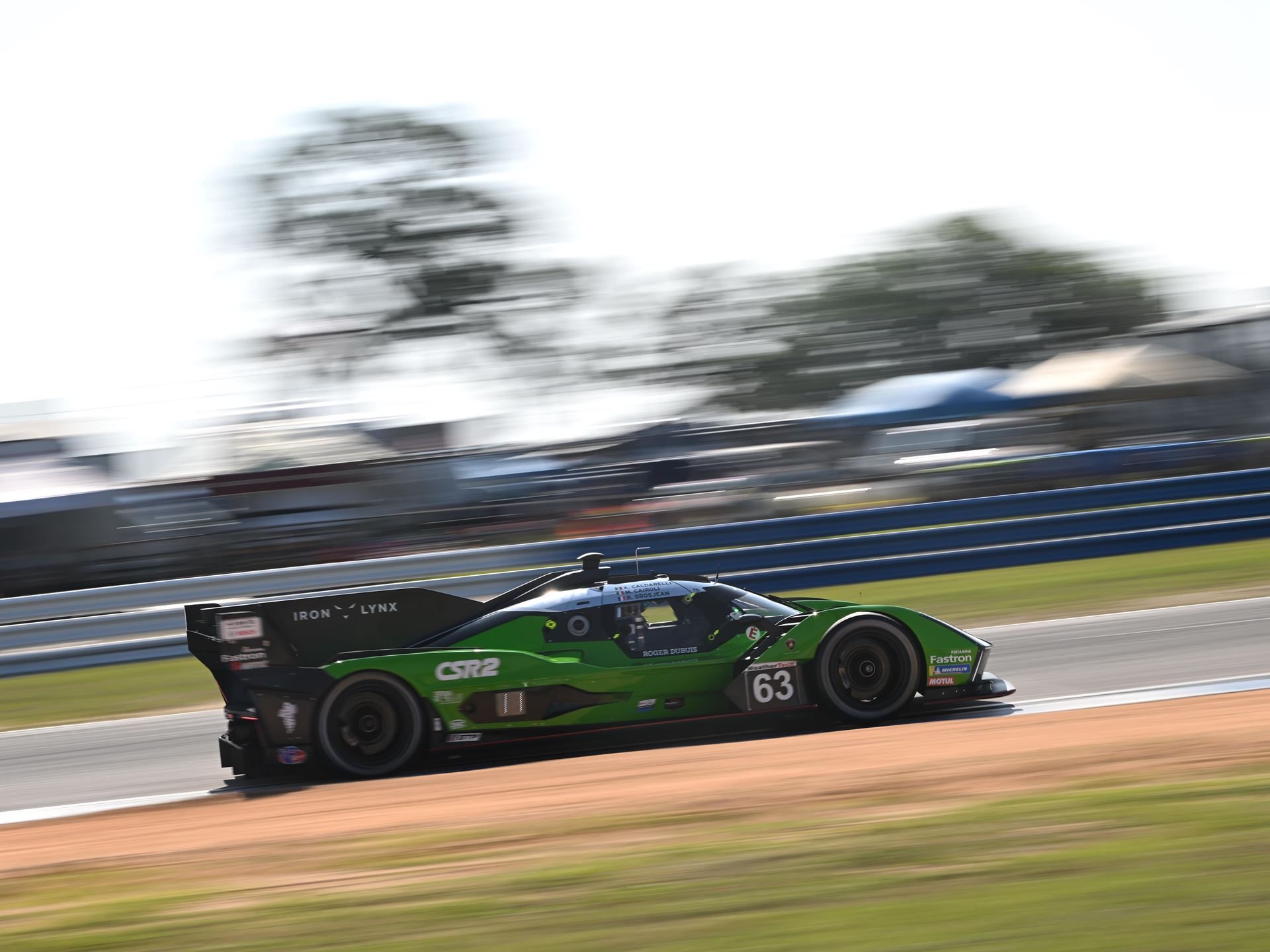
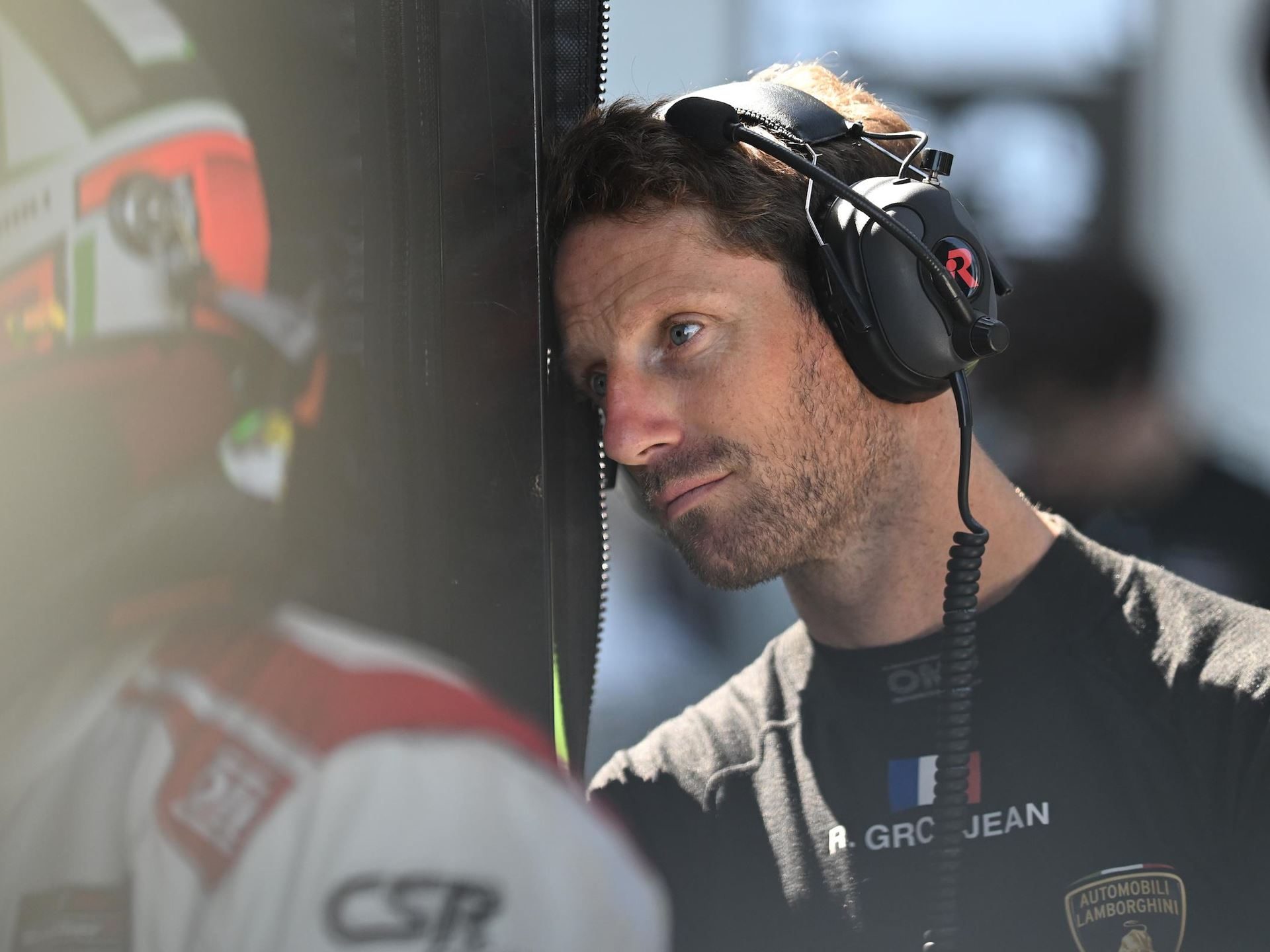
Lamborghini Iron Lynx brings the SC63 LMDh to the IMSA WeatherTech SportsCar Championship’s 12 Hours of Sebring this weekend, marking the prototype’s first race on American soil. The car enters the GTP class with factory drivers Matteo Cairoli, Andrea Caldarelli, and Romain Grosjean sharing the #63 machine, all three making their race debuts in the SC63. Alongside the prototype, five Lamborghini Huracán GT3 EVO2s fill out the GTD and GTD Pro classes, giving Lamborghini a six-car presence across the event’s top categories.
The context surrounding this debut matters as much as the entry itself. Just two weeks earlier, the SC63 completed its competitive bow in Qatar, covering 330 laps in that 10-hour race and reaching the finish. Bringing a brand-new prototype home in a long-distance event counts as genuine progress, but Sebring presents an entirely different engineering problem. The team’s stated priorities for this weekend remain focused on reliability, data gathering, and incremental performance improvement rather than chasing a result on the timing screens.
For anyone expecting a fairy-tale debut, recalibrate. Every manufacturer that has entered the LMDh or Hypercar category in recent years burned through a painful development phase before becoming competitive. Lamborghini is walking the same path, and Sebring is about to hand the SC63 its toughest exam yet.
Why Reliability Beats Lap Times Right Now
Lamborghini’s engineers are being refreshingly honest about what this stage of the SC63 program looks like. The team describes its goals in terms of learning and reliability, not podium finishes, and that framing matters more than it might appear.
The SC63 is built around a newly developed 3.8-liter twin-turbocharged V8 paired with the standardized LMDh hybrid components: a Bosch motor generator unit, a Williams Advanced Engineering battery, and an Xtrac transmission. Integrating a bespoke engine with off-the-shelf hybrid architecture is a balancing act that every LMDh manufacturer faces, but Lamborghini is doing it as a newcomer to prototype racing at this level. Ferrari arrived in the Hypercar class with decades of top-flight sports car racing experience. Porsche returned with institutional memory from multiple Le Mans eras. Lamborghini, for all its GT3 success, entered this arena without that same depth of prototype knowledge.
Completing 330 laps in Qatar demonstrated that the fundamental package can survive the punishment of endurance racing. Sebring will test whether that durability holds under radically different conditions. The real metric for this weekend is not where the SC63 finishes on the classification, but how much usable data the engineers extract from every session, every stint, and every pit stop.

The Lamborghini SC63 undergoes a swift pit stop, surrounded by its dedicated crew.
Sebring’s Concrete and Asphalt Patchwork Is the Real Opponent
Sebring International Raceway sits on the bones of a World War II airfield, and the circuit’s surface still carries that legacy. Lamborghini describes the 6.019-kilometer, 17-turn layout as one of the most demanding on the IMSA calendar, with the specific challenge coming down to surface transitions and relentless bumps that punish suspension components over a 12-hour race.
For the SC63, this means the setup used in Qatar is essentially irrelevant. The team must make significant alterations to suspension geometry and ride height to cope with Sebring’s undulations. Ride too low and the floor bottoms out on the heaves, destroying aerodynamic consistency and risking mechanical damage. Ride too high and you sacrifice the ground-effect downforce that modern prototypes depend on for cornering speed. Finding the sweet spot on a surface this violent, with a car this new, is an engineering puzzle that takes time to solve.
The team did participate in a group test at Sebring last month, which provided a baseline. But a test day and a 12-hour race are different animals. Temperatures change, the track rubbers in, tire degradation compounds, and the car must survive conditions that amplify every weakness in the setup. Sebring is the kind of circuit that rewards maturity in a race car’s development, and the SC63 simply does not have that maturity yet. Acknowledging this reality is not pessimism. It is engineering pragmatism.
Five Huracán GT3 EVO2s Carry Lamborghini’s Proven Racing Pedigree
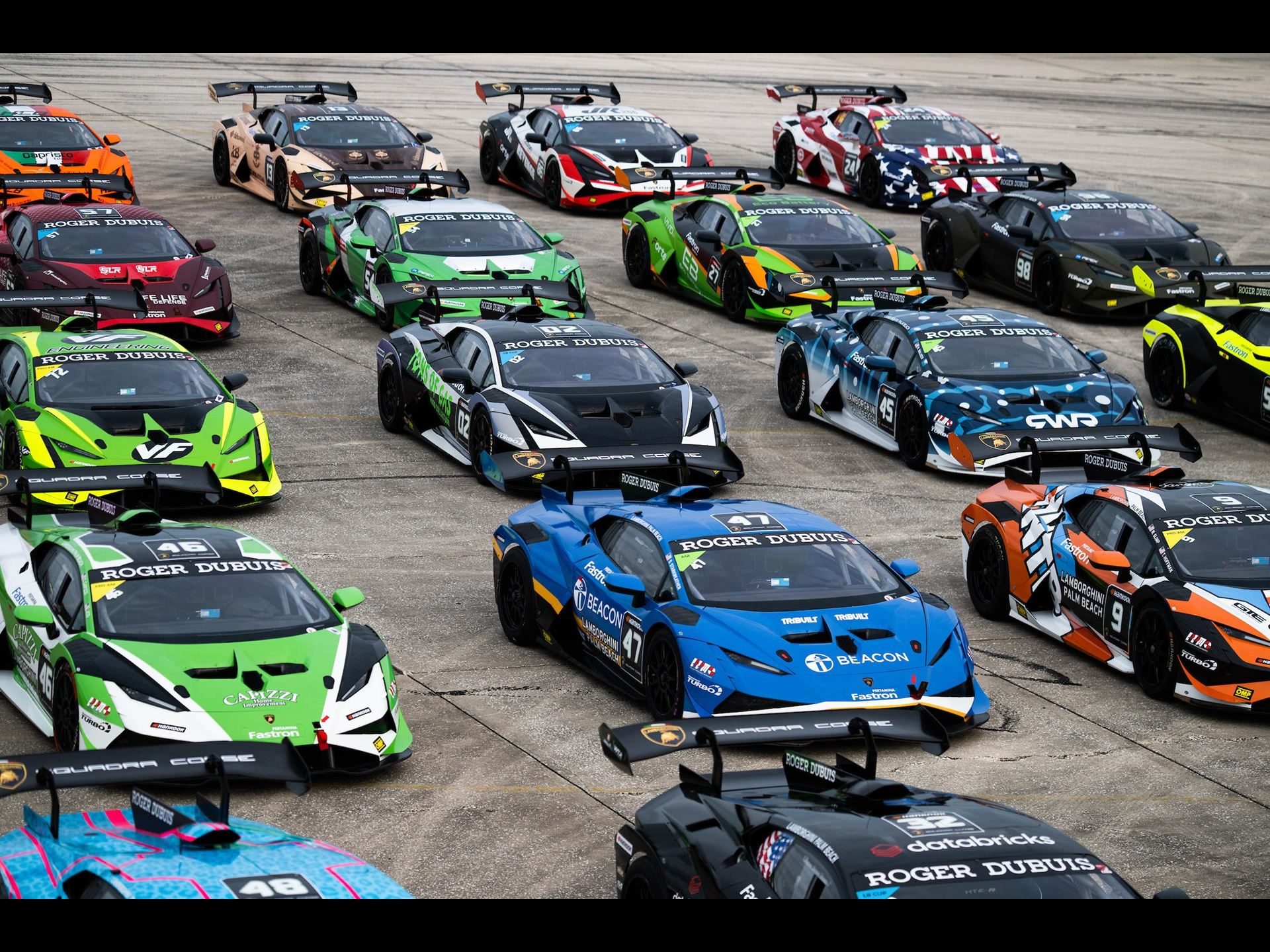
While the SC63 writes the opening chapter of Lamborghini’s prototype story, the Huracán GT3 EVO2 contingent represents something far more established. Five cars spread across GTD and GTD Pro form a formidable customer racing presence, and Sebring holds good memories for the platform. Lamborghini points to Grasser Racing Team’s GTD victory in 2019 and TR3 Racing’s second-place finish in 2021 as evidence that the Huracán knows how to perform here.
In GTD Pro, Iron Lynx fields the #19 car with Franck Perera, Jordan Pepper, and Mirko Bortolotti, a lineup stacked with factory-caliber talent. The #60 pairs Claudio Schiavoni and Matteo Cressoni with Leonardo Pulcini. Over in GTD, the Iron Dames entry (#83) runs Michelle Gatting, Sarah Bovy, and Rahel Frey, while Forte Racing and Wayne Taylor Racing with Andretti round out the Lamborghini entries with full-season ambitions.
This dual presence reveals where Lamborghini’s motorsport program actually stands. The GT3 side is mature, competitive, and commercially successful, with customer teams buying cars, running seasons, and winning races. The prototype side is a long-term investment. Both matter, but they operate on completely different timelines. Enthusiasts following the brand’s racing fortunes at Sebring this weekend are more likely to see meaningful results from the Huracán contingent, and that is perfectly fine. The Huracán GT3 program is exactly what funds and justifies the ambition of projects like the SC63.

A vibrant lineup of Lamborghini Huracán GT3 EVO2 race cars showcases diverse liveries on the paddock.
From Ambitious Debut to Program Evolution
Placing the SC63’s Sebring debut in its broader arc adds important context. Road & Track reported in August 2025 that Lamborghini paused the SC63 LMDh program following the Motul Petit Le Mans, citing a strategic decision to redirect resources toward the development and launch of the Temerario GT3 car. Multiple reports corroborate that the pause was real.
Lamborghini CTO Rouven Mohr indicated that the SC63 received a revised rear suspension as part of an “evo joker” deployment, which drivers found beneficial at Indianapolis Motor Speedway later in 2025. By early 2026, Mohr stated the company had received five to six serious inquiries from teams interested in campaigning the SC63, including potential FIA World Endurance Championship efforts. The door, in other words, is not closed.
This trajectory mirrors a pattern familiar in top-tier motorsport: a manufacturer enters with ambition, confronts the gap between simulation and reality, recalibrates, and either doubles down or steps back to regroup. Lamborghini chose to regroup while simultaneously launching a new GT3 platform built around the Temerario. Whether the SC63 returns to the grid with customer team support remains an open question, but the data gathered during races like this Sebring debut feeds directly into that decision-making process.

The Lamborghini SC63 stands ready in the paddock, surrounded by team personnel and the bustling race environment.
What the SC63’s Development Phase Means for Lamborghini Enthusiasts
Lamborghini’s hybrid future on the road is already here. The Revuelto pairs a V12 with three electric motors. The Temerario wraps a twin-turbo V8 with hybrid assist. The SC63 represents the most extreme laboratory for testing how hybrid powertrains behave under sustained, brutal loads, and every lesson learned at circuits like Sebring feeds engineering knowledge back into Sant’Agata Bolognese.
The practical takeaway for buyers and followers of the brand: Lamborghini’s commitment to top-tier racing is genuine, but it is also measured. Running a single prototype entry while maintaining a thriving GT3 customer program is a resource-conscious strategy that avoids the financial black hole of a multi-car factory effort before the car is competitive. Ferrari and Porsche can absorb those costs differently, given their longer histories in this space. Lamborghini is building its prototype credibility one race at a time.
The Sebring weekend also opens the 12th season of the Lamborghini Super Trofeo North America one-make championship, which quietly remains one of the best entry points into competitive motorsport for Lamborghini owners. Between the Super Trofeo, the GT3 customer program, and the SC63 prototype effort, Lamborghini now covers the full spectrum of racing, from gentleman-driver weekends to the absolute pinnacle of endurance competition. The SC63 may not deliver a headline result at Sebring, but the information it generates over 12 hours of punishment on that broken Florida concrete is worth more to Lamborghini’s engineering future than any single trophy.
Gallery